Medicine Walk
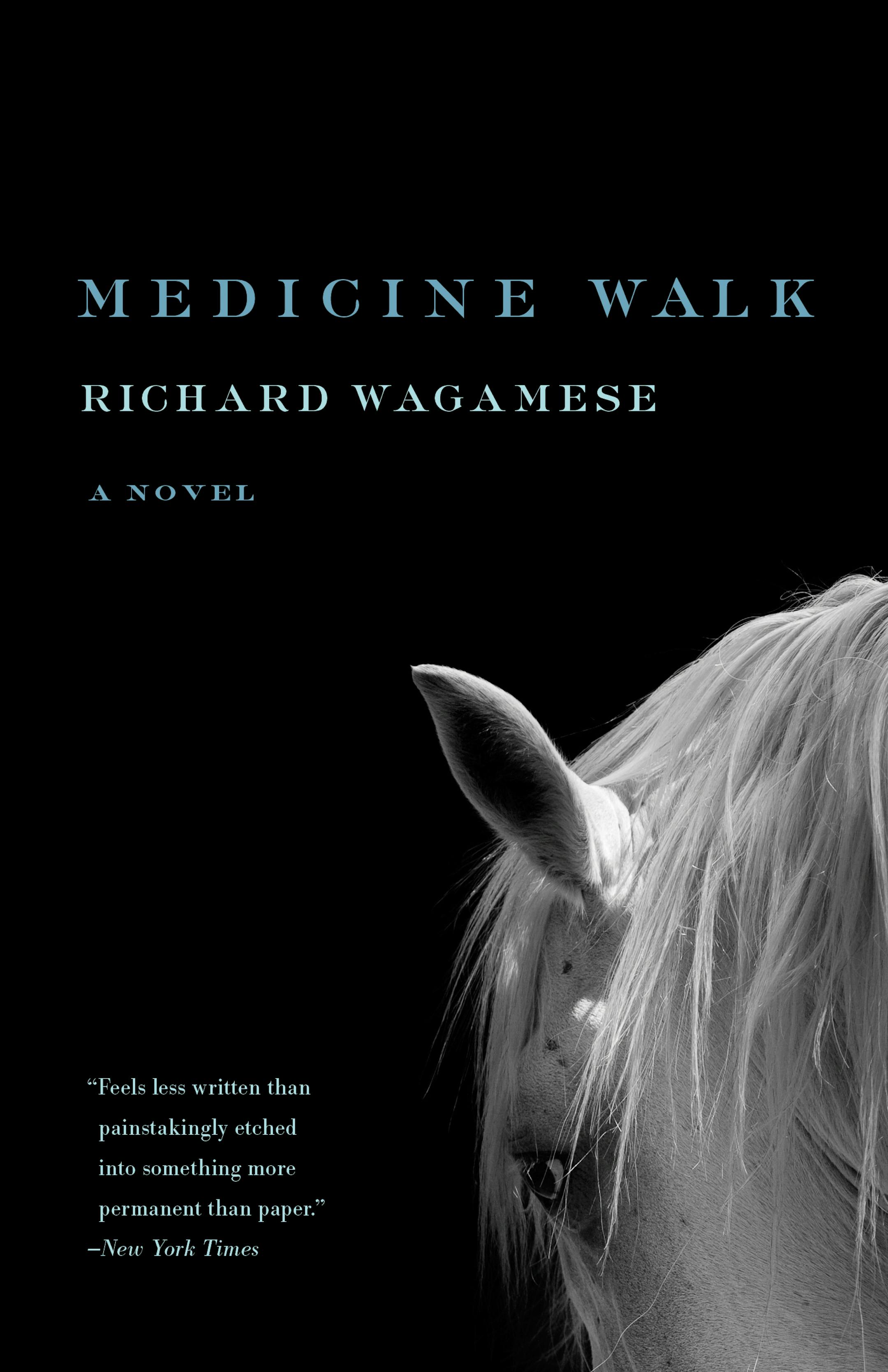
By Richard Wagamese. (Milkweed Editions, 246 pages, $16, now in paperback.)
This slim, beautiful, heart-wrenching novel by Canadian Ojibwe writer Richard Wagamese is the story of Franklin Starlight, a 16-year-old Indian boy who lives in the mountains of British Columbia toward the end of the last century with "the old man," a benevolent white farmer who has raised him from infancy.
Franklin is content with his quiet life on the farm and in the wilderness, but increasingly curious about where he came from. When his birth father, a wretched alcoholic who lives in a nearby mill town, writes that he is dying and wants to see the boy, Franklin reluctantly travels to his dilapidated boardinghouse. His father, who has bitterly disappointed him many times in the past, asks Franklin to take him on a trek into the nearby mountains and bury him sitting upright "in the warrior way." Franklin reluctantly agrees to do so.
During their brief, excruciating journey, his father tells him several poignant stories about his war experience and the boy's long-dead mother, which are hard to listen to but help the son accept his father, and more profoundly, the mystery of life and death. The descriptions of the father's dying hours are both graphic and poignant, and Franklin's struggle to take in what he learns is simply but beautifully drawn. Wagemese is a marvelous writer, and this is a treasure of a book.
PAMELA MILLER
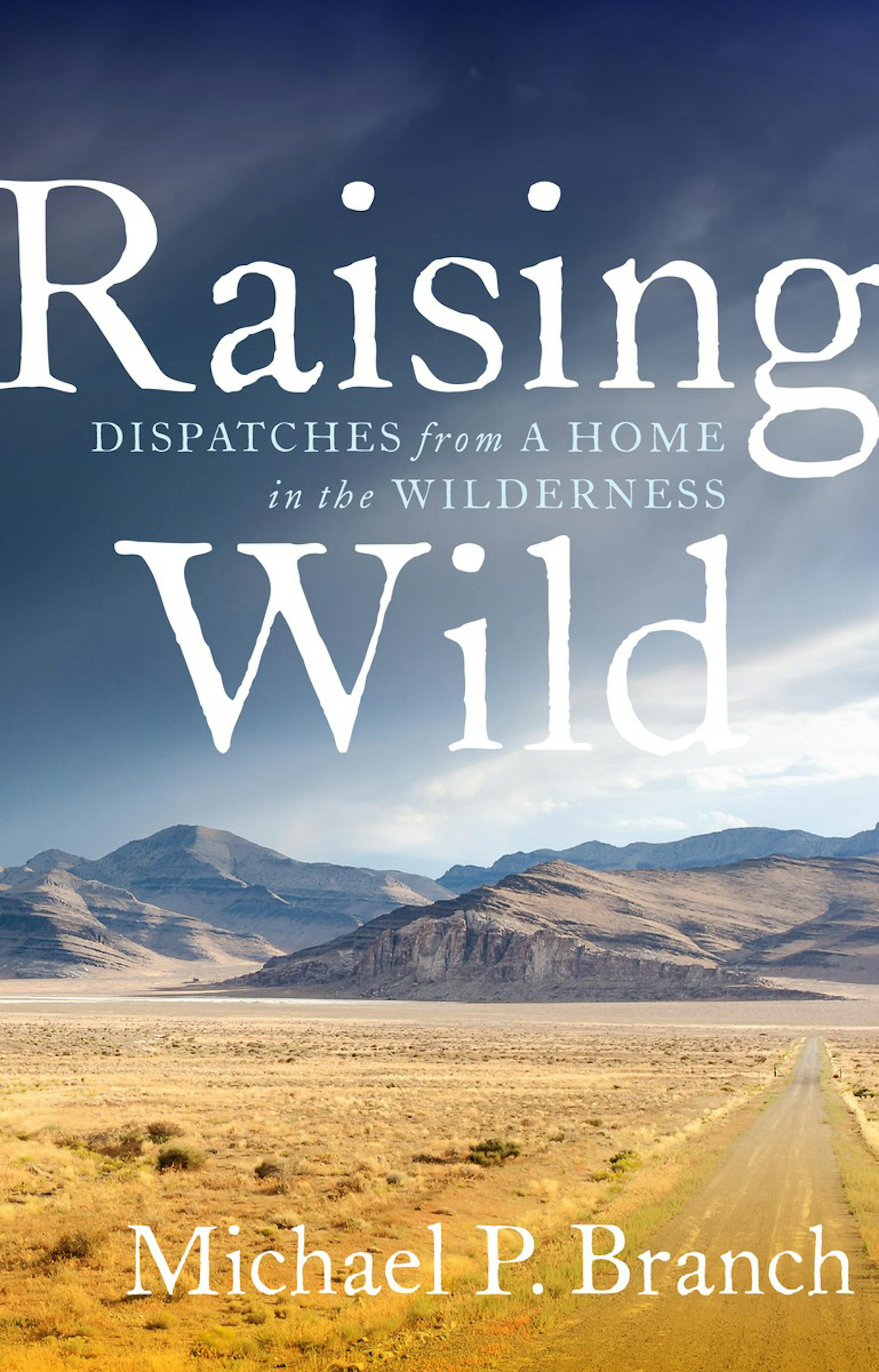
Raising Wild
By Michael P. Branch. (Roost Books, 279 pages, $26.95.)
The conceit of this book is encapsulated in the title. Author Michael Branch moves with his family to a remote ridge in the high plateau of northwestern Nevada. It's wild, and that's where he and his wife raise two daughters.
Thus this is both a book about adapting to relative wilderness and about raising daughters in the wilds. Their neighbors are antelope, rattlers and packrats, rather than humans.