

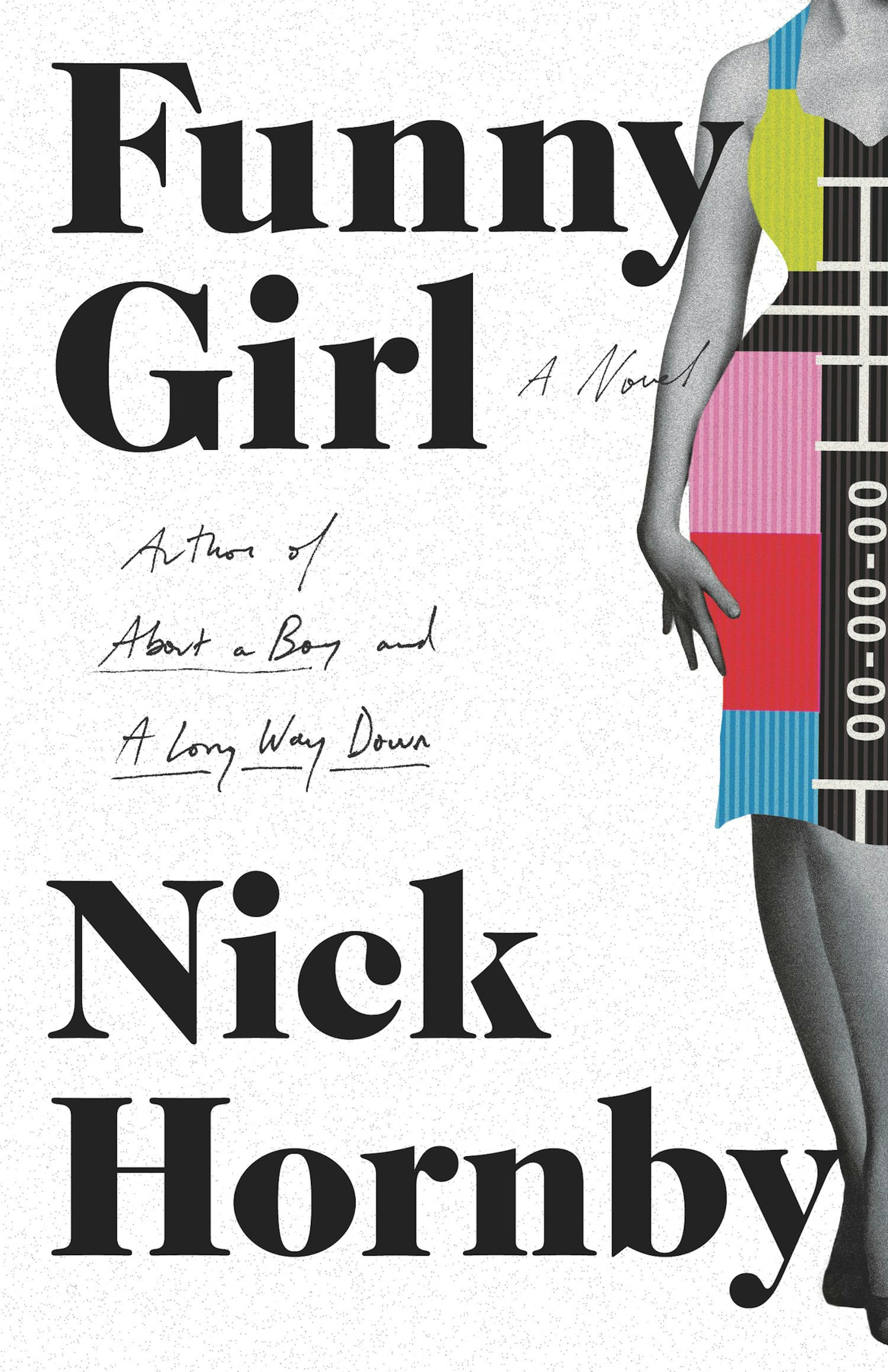
Funny Girl
By Nick Hornby (Riverhead, 453 pages, $27.95)
Nick Hornby, that deft chronicler of the music scene, takes us to TV land and swinging mid-1960s London in his charming and humorous latest novel, “Funny Girl.”
The titular character is It girl comedic actress Sophie Straw, a “quick-witted, unpretentious, high-spirited, funny, curvy, clever, beautiful blonde.” We meet her as young Barbara Parker from Blackpool, who flees a beauty contest she has won, moves to London and lands an agent, who convinces her to change her name. Her looks and charisma land her the lead role in a new BBC sitcom.
Hornby follows her and her colleagues (costar Clive, producer Dennis and writers Bill and Tony) as “Barbara (and Jim)” becomes a big hit and Britain relishes its postwar cool. Hornby’s references to contemporary pop culture and politics, plus a few fake reviews and vintage photos, captivatingly set the scene.
“Barbara (and Jim)” inevitably evolves and ends, and Sophie and the others make life-changing decisions. But as Sophie’s manager would say: “That was the trouble with young people … they would insist on getting older.”
Hornby concludes with a flash forward to the present, leaving us laughing, if sometimes ruefully.
Marci Schmitt, multiplatform editor
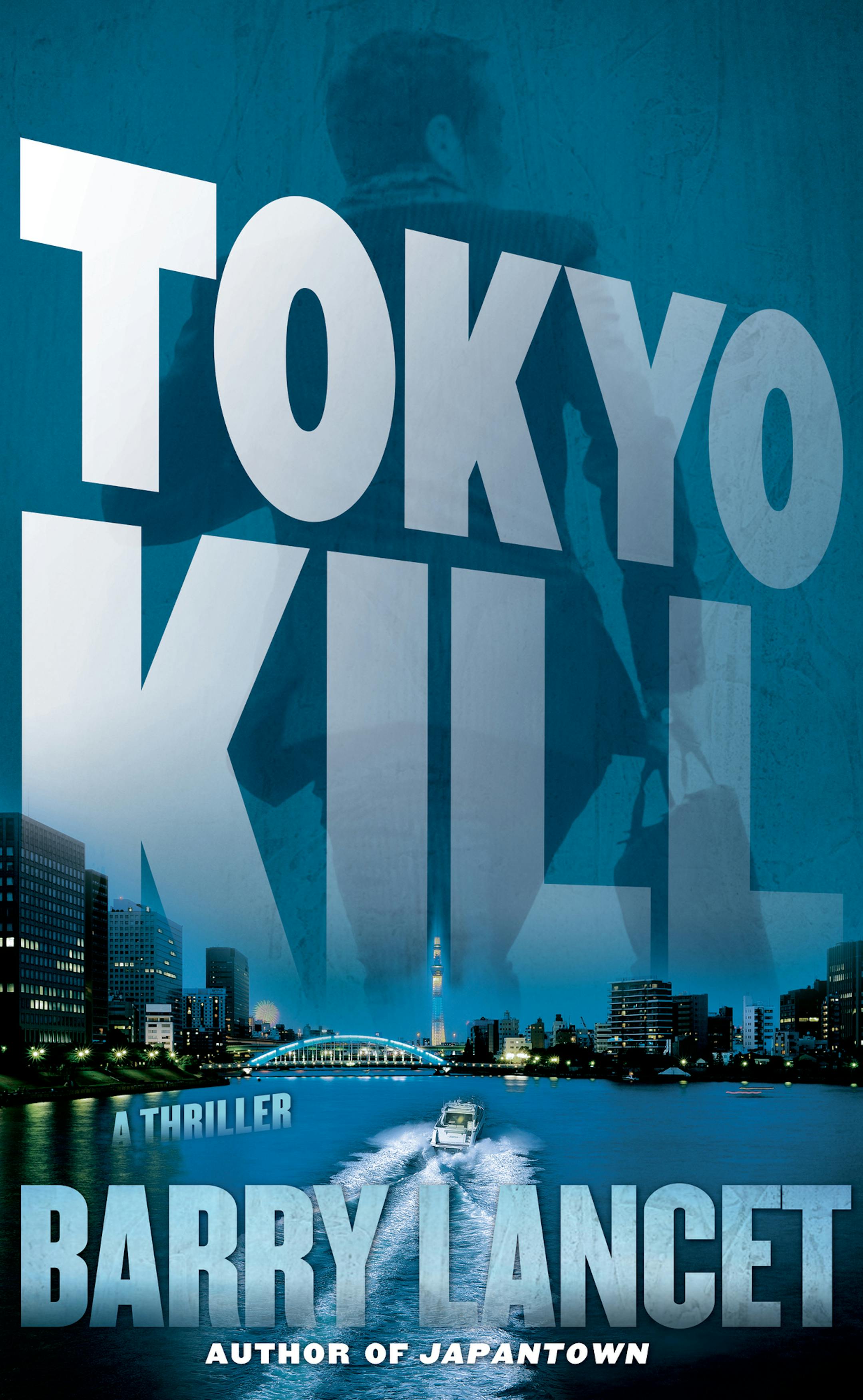
Tokyo Kill
By Barry Lancet (Simon & Schuster, 336 pages, $25)
When an elderly World War II veteran asks for protection, antiques dealer-turned-private-investigator Jim Brodie is quickly embroiled in a complicated international mystery that has its roots in a stolen cache of antiquities hidden during the war.
As pieces of the loot emerge on the market, old enemies spring to action with a string of violent home invasions, “message” murders and a decapitation that strikes too close to home for Brodie. Solving the case in “Tokyo Kill” will mean brushes with the shadowy world of yakuza, Chinese Triads and kendo warriors in a culture where conversations seem to happen practically in code — and not the kind with spies.


