Final Portrait
⋆⋆⋆½ out of four stars
Rated: R for coarse language, some sexual references and nudity.
Theater: Edina.
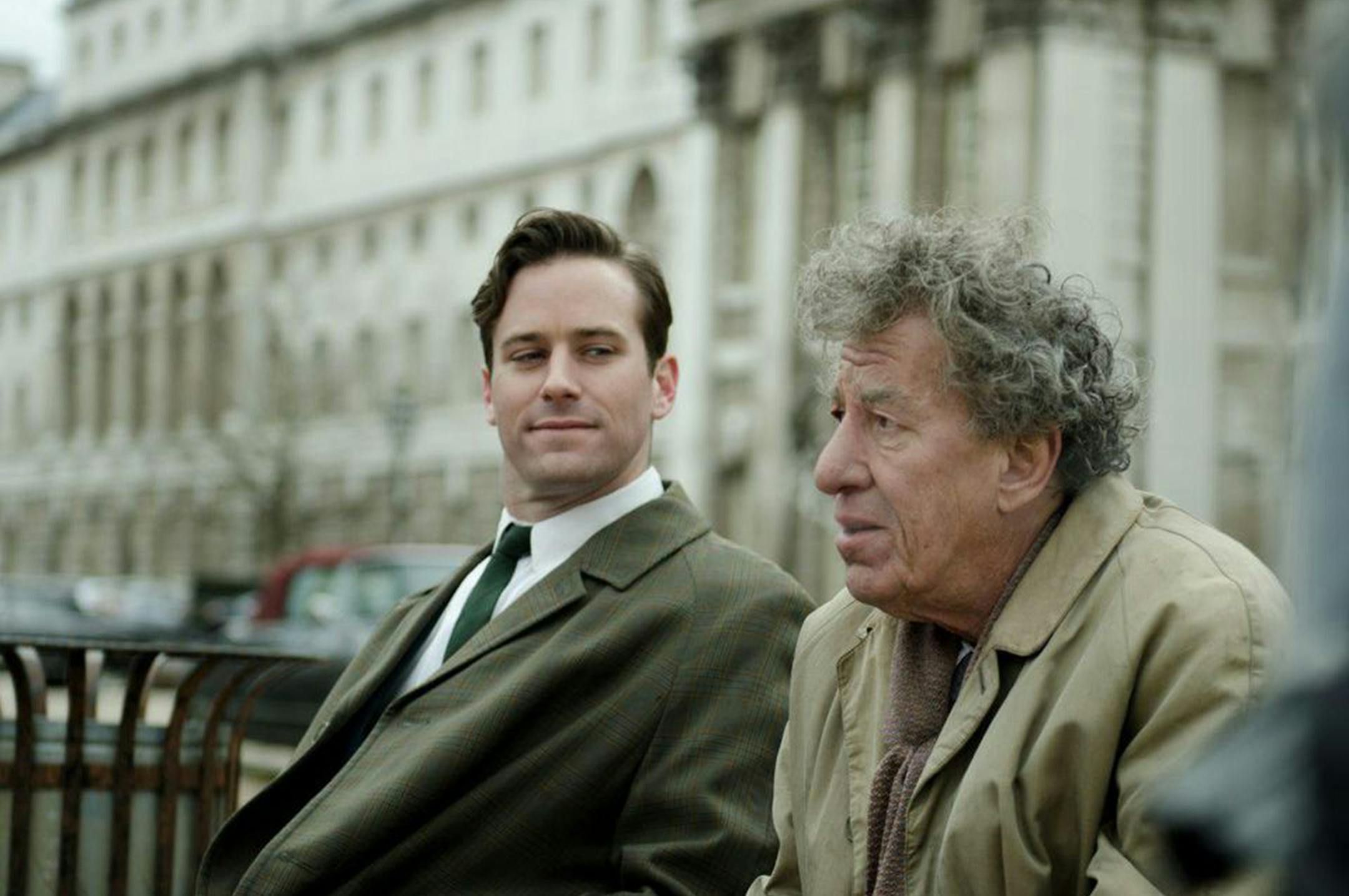
One of the finest bits of filmmaking in the 20th century came late in Stanley Tucci's "Big Night," a raucous comedy that ended with a quiet masterpiece of staging and acting. Tucci brings similar restraint and taste for subtlety to his latest directorial effort, "Final Portrait," which even includes a similar wordless sequence. This time, the setting is the Paris studio of the sculptor and painter Alberto Giacometti (Geoffrey Rush) as he and his brother Diego (Tony Shalhoub) move amid the easels, rags and creative detritus with the reflexive, instinctive ease of ballet dancers.
Such moments are among the most pleasing in "Final Portrait," which focuses on the end of Giacometti's career, when in 1964 he invited author and arts-scene gadfly James Lord (Armie Hammer) to sit for a painting. Considered by many critics to be Giacometti's last great picture, the artwork emerges slowly through the course of a film that depicts the creative process not as the fully formed expression of genius but as a slow-going daily grind of false starts and bouts of self-doubt.
Most of the credit for the film's sense of authenticity goes to Rush, who portrays Giacometti in a performance that is both ferocious and abashed. "Final Portrait" is at its best simply watching the artist work — the "artist," in this case, meaning both Giacometti and Rush. It's nice to see the actor get the palette and canvas he deserves.
ANN HORNADAY, Washington Post
The Miracle Season
⋆⋆½ out of four stars