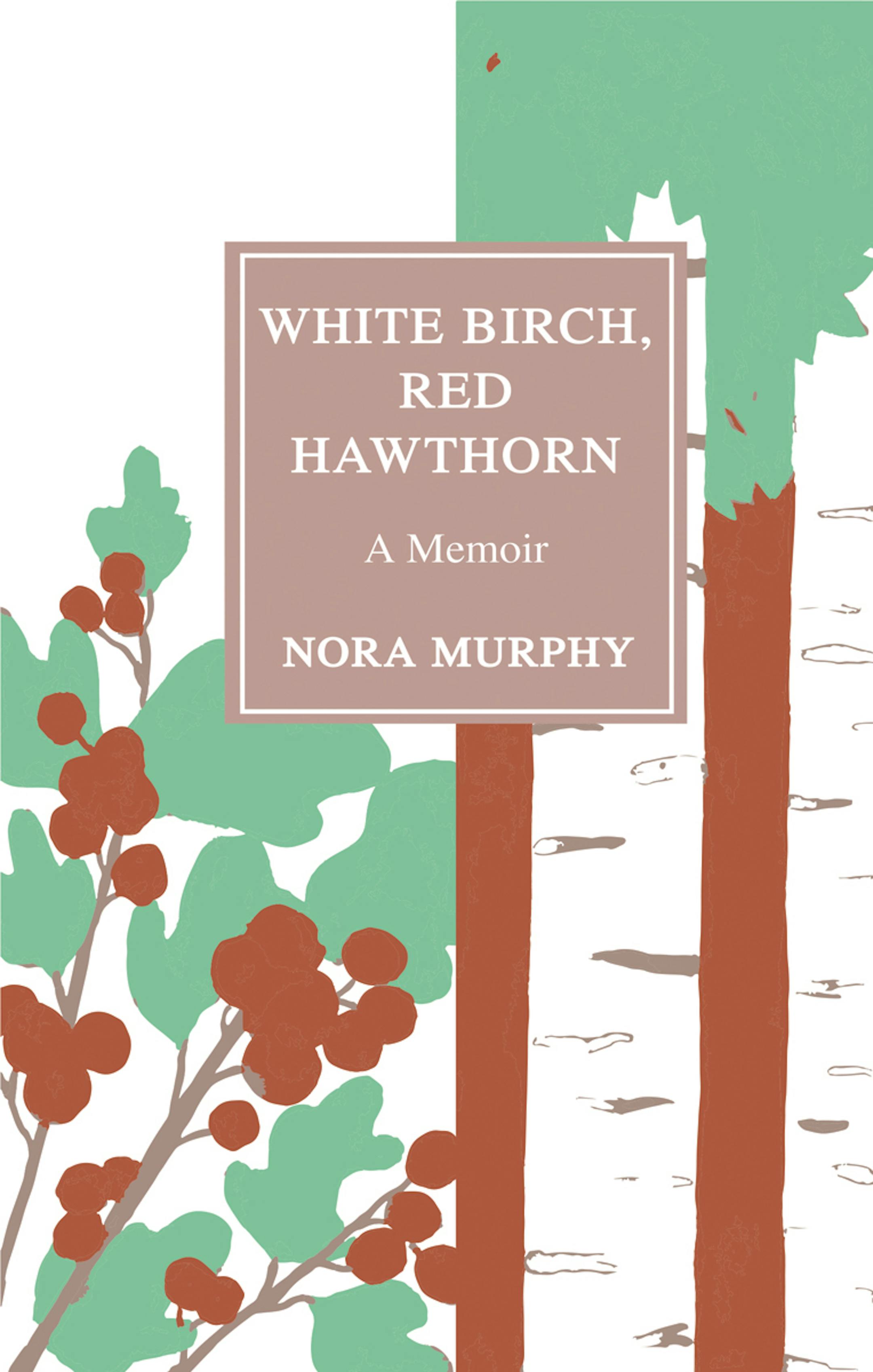
Roots take on a deeper meaning for Nora Murphy when she gets a job at the Minneapolis American Indian Center. As she makes more Native American friends, the great-great-granddaughter of Irish immigrants becomes more self-conscious.
How did her forebears come to own that stand of sugar maples in Stearns County? Who owned it before? What happened to them?
Her questions started a quest that has occupied Murphy for 20 years and challenged all her assumptions about her place in this country.
As the lone white woman at powwows and events, Murphy feels called "to rest a while in an awkward discomfort, that raw wedge of space in the gut that often Americans prefer to ignore."
She re-evaluates Laura Ingalls Wilder's "House in the Big Woods" and the legend of Paul Bunyan. Wilder writes about the trees and animals around the family's Wisconsin cabin. Paul Bunyan swings his giant ax and fells the northern forests. Neither tale mentions the people living among the trees.
Murphy probes how her forebears came to own The Maples, a swatch of land now known as St. Wendel. Family history was scant — just "Potato Famine Irish," her grandfather shrugged. Through relatives in Tipperary she learns about great-great-grandmother Katie Hughes, who joins the exodus of poor Irish to the United States after her father's death and winds up in Minnesota, where she and her husband squat on land until they can buy it in 1862.
How? Murphy traces the treaties that shift land out of Indian hands piece by piece, leading to the "sale" of the Stearns County acreage. To her chagrin, she sees that her people, dispossessed in their native land, did the same to ancestors of some of the very people she now works beside.
"We freely took those 160 acres in The Maples — at dear cost to the Ojibwe, the Ho-Chunk, and above all the Dakota," she says.