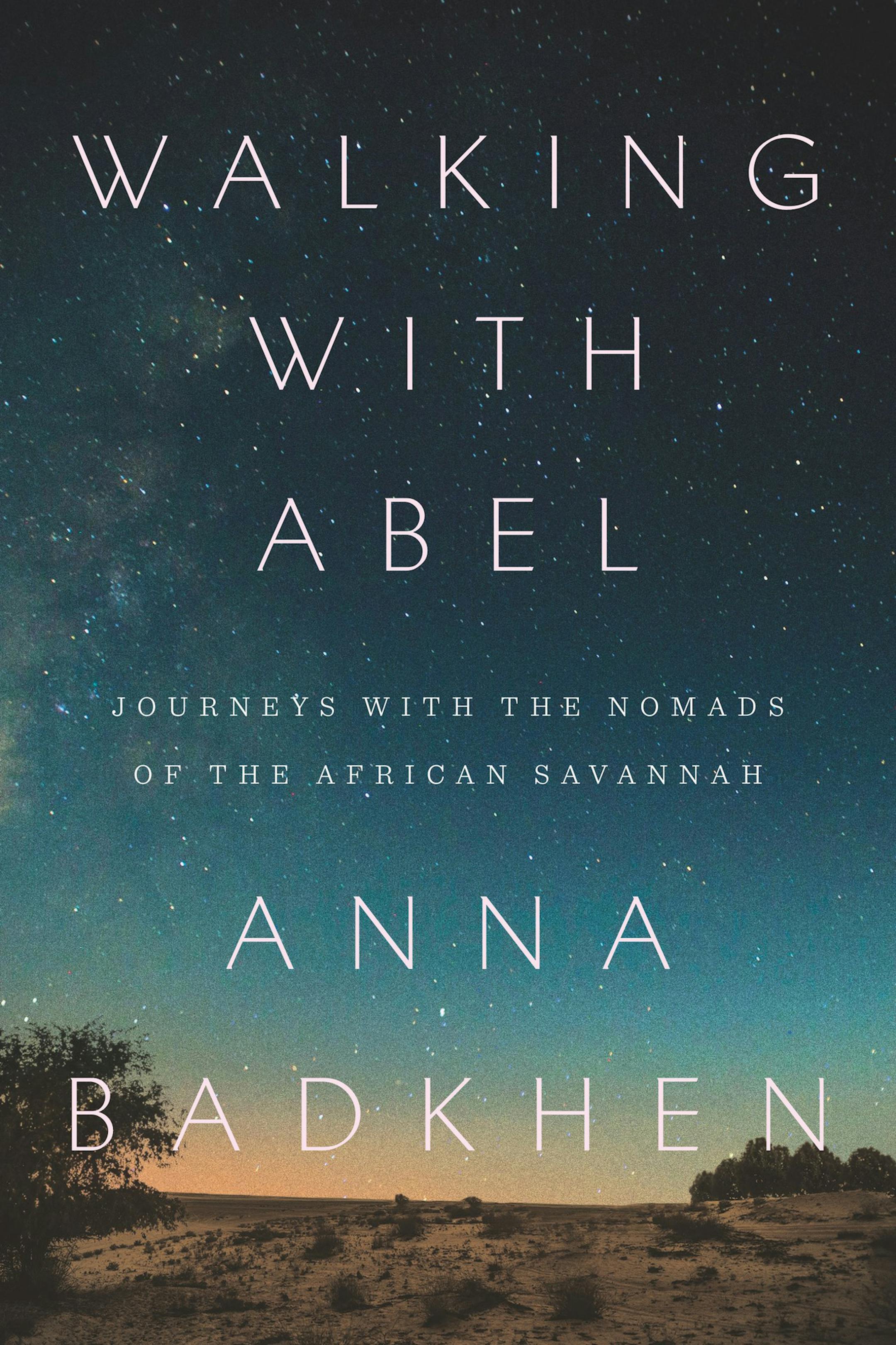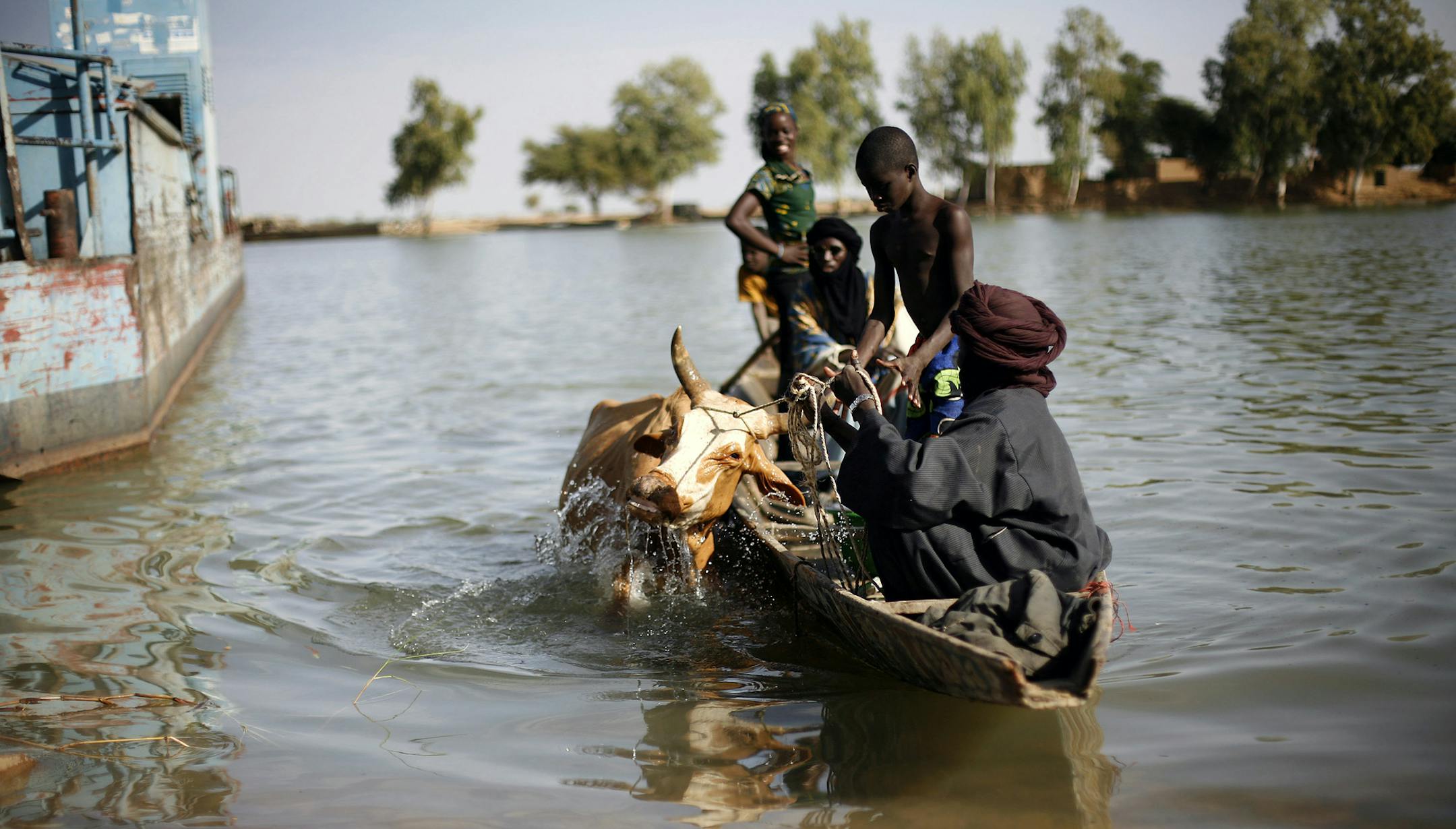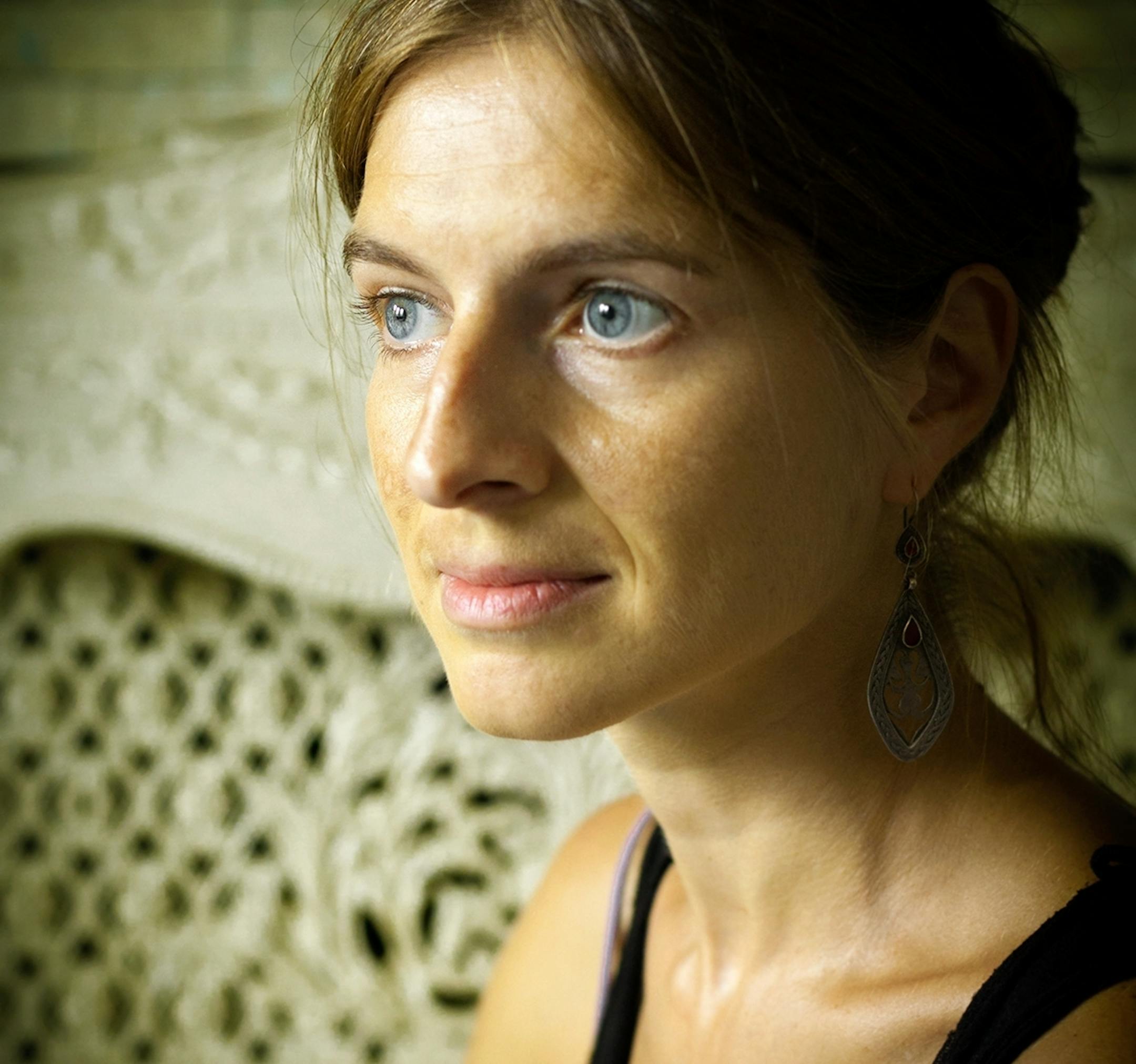
To research "Walking With Abel," Anna Badkhen spent a year traveling with a family of Fulani nomads across Mali tending their cows. It's not a surprising choice, since Badkhen is something of a nomad herself.
She's lived in and reported from war zones around the world, recently spending time in a small Afghan village where, despite conflict and politics, the 240 or so residents keep weaving rugs. That journey produced "The World Is a Carpet."
There is something inherently admirable, if not romantic, about a people who cling to ancient ways, and who accept difficult lives stoically. And so it is with the Fulani, some 20 million of whom — by Badkhen's estimate — are nomads.
Through luck or pluck, she meets Oumarou Diakayaté and family and wins their trust. Oumarou "asked me if I had any cows and whether it had rained where I came from," she writes. "Was America in France?"
The Fulani are wise in the ways of survival. They time their annual migration "from rainy season to dry season … with the orderly procession across the sky of 26 sequential constellations."
But recently the world has been out of whack. The rains are late or early or don't come at all. A devastating drought in the late 1970s killed more than a million people, including Diakayaté's first wife. Before that drought he had more than 1,000 cattle; now he's down to 50.
When the rains come, they bring with them scorpions, malaria-spreading mosquitoes, dysentery. The Fulani cope with weather, illness, civil unrest, thieves who roam with automatic weapons, farmers who take over former pastureland and, worst of all, young people who leave for the city and iPhones.
"Life in the bush is hard," says Fanta, Oumarou's second wife.