

During Black History Month, many students learn about Rosa Parks, the civil rights activist who in 1955 refused to give up her seat on a bus in Montgomery, Ala., to a white passenger — and rode into history.
A century before that, another black woman made a stand against segregation on a New York City streetcar and was thrown into the street for her trouble — twice — but ultimately won in court.
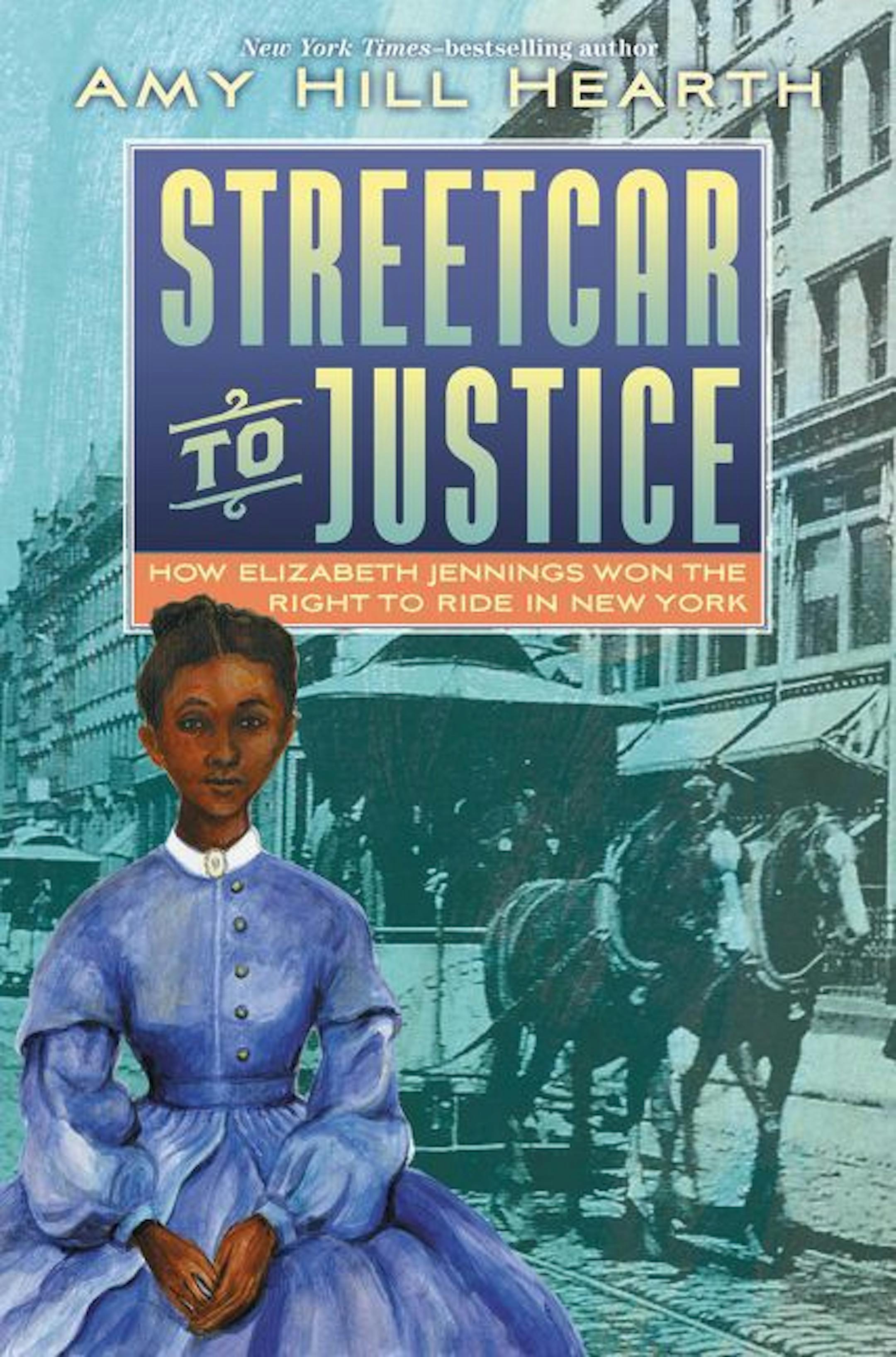
Elizabeth Jennings has been largely forgotten, but Amy Hill Hearth's book for young readers, "Streetcar to Justice," brings the story back.
Hearth has written about black history and civil rights activists before. Her 1993 book, "Having Our Say: The Delany Sisters' First 100 Years," was based on interviews with the remarkable sisters Sadie and Bessie Delany, daughters of a former slave, who became groundbreaking career women. The book was a bestseller that was adapted into a hit Broadway play and a television movie.
In "Streetcar to Justice," Hearth reaches further into history, to an event that occurred on July 16, 1854. Elizabeth Jennings, a schoolteacher in her early 20s, was on her way from her home in Lower Manhattan to choir practice at the First Colored American Congregational Church, where she was the organist.
New York City's system of horse-drawn streetcars was segregated, with a few cars marked for black riders. The others were for whites, although "respectable" black people were allowed to ride them if other passengers and the car conductors did not object.
Jennings, worried she would be late, flagged down a whites-only streetcar. She and a friend, Sarah Adams, boarded the car and appealed to the conductor.
Hearth tells the story of what happened next mainly in Jennings' own words, taken from a written statement she made the same day:


