

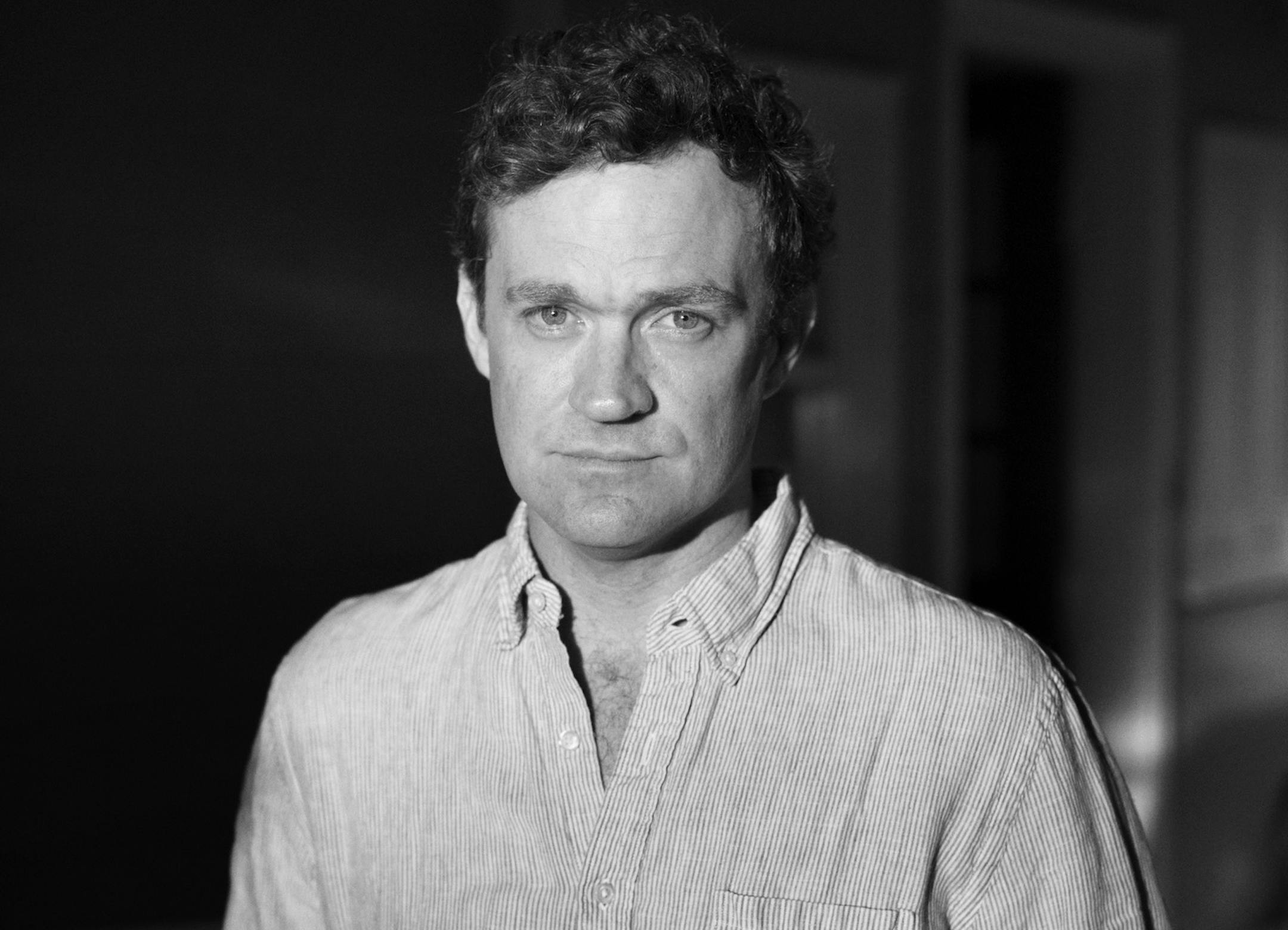
In most of his previous bestselling books, including "Say Nothing: A True Story of Murder and Memory in Northern Ireland" and "Empire of Pain: The Secret History of the Sackler Dynasty," journalist Patrick Radden Keefe has masterfully illuminated what he calls his "abiding preoccupations." These are, namely, "crime and corruption, secrets and lies, the permeable membrane separating licit and illicit worlds, the bonds of family, the power of denial."
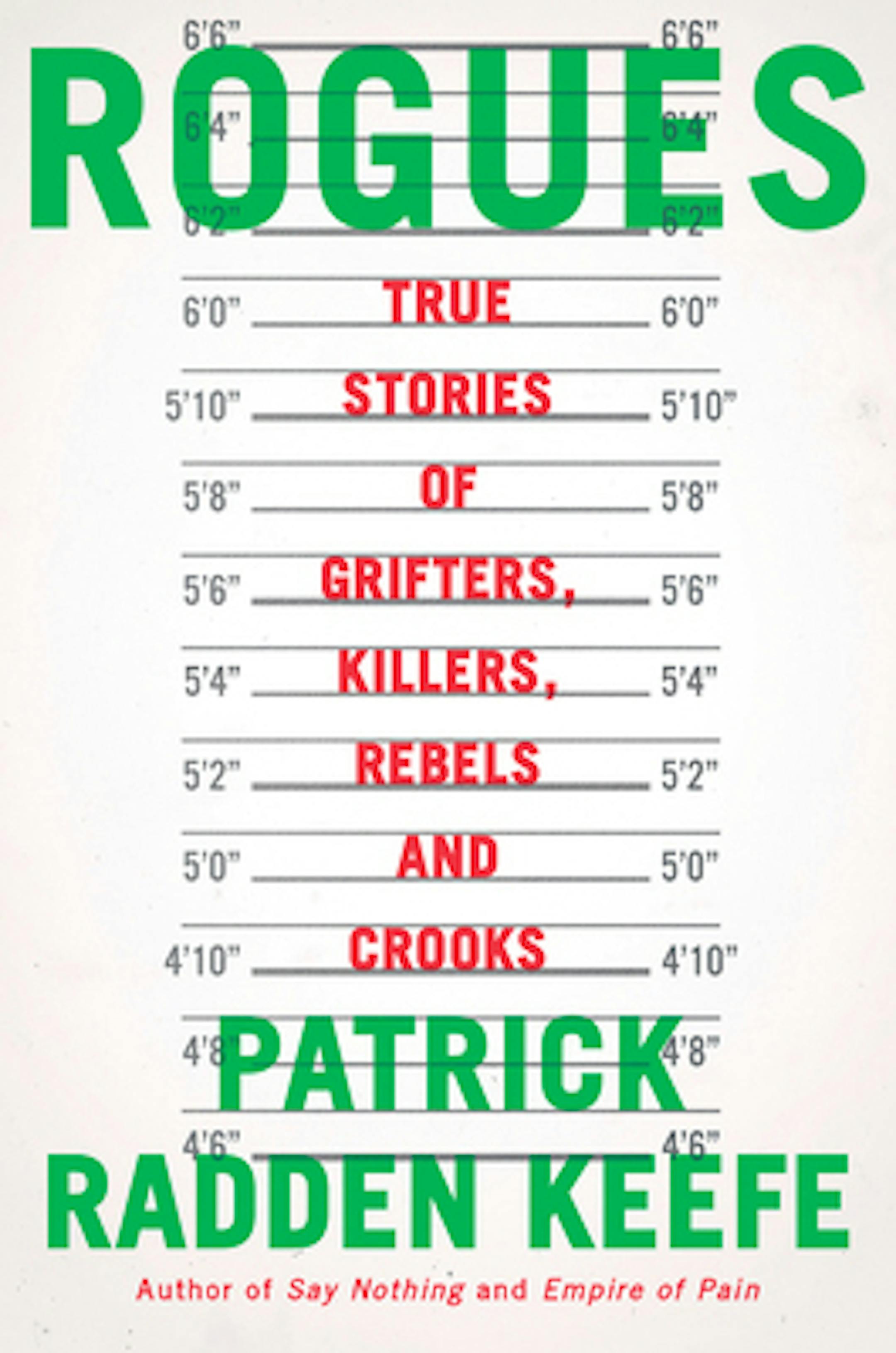
His latest book, "Rogues: True Stories of Grifters, Killers, Rebels and Crooks," offers a glimpse at these preoccupations in his shorter-form work, a collection of essays originally written for the New Yorker. Taken separately, each piece offers a portrayal of rogues variously defined, ranging from the overtly criminal to the lovable (in the case of chef Anthony Bourdain). Taken together, the essays reflect the collective preoccupations of the unsettling era in which we now live: mass shootings and terrorism, unaddressed mental health issues, and the many flavors of financial corruption.
Keefe is frequently engaged with stories involving a rogue and a pursuer who is obsessed with bringing the criminal to justice. (Or, in the case of death penalty defense lawyer Judy Clarke, getting the accused off.) Take accused German wine forger Hardy Rodenstock, who died in 2018 still insisting on the authenticity of his discoveries, most notably bottles from the 1780s that supposedly once belonged to Thomas Jefferson. One collector of the "Th.J." bottles, as they came to be known, was American tycoon Bill Koch, brother of the renowned conservative donors Charles and David.
Koch spent considerable amounts of time and money filing lawsuits against Rodenstock, throwing himself "into his battle against Rodenstock and phony wine with the same headlong enthusiasm that he devoted to collecting wine in the first place."
Another avenger profiled is Ken Dornstein, who lost his brother in the 1988 Lockerbie airline bombing. A respected journalist in his own right, Dornstein has spent almost his entire adult life chasing down the shadowy culprits behind the bombing, a quest complicated by the 2011 Arab revolutions and the collapse of Libya.
Often in Keefe's work, the lines between criminal and crusader are blurred, as in the case of computer technician Hervé Falciani, who stole confidential data from the private Swiss bank HSBC containing the names of wealthy individuals who had offshored their money. Swiss law enforcement pursued him, but the French, eager to gain evidence of citizens who had evaded taxes, welcomed him as a hero.
Judged solely by the severity of their crimes, many of the lawbreakers are overtly despicable. Yet while not excusing their misdeeds, Keefe nonetheless manages to highlight the humanity and contradictions in their lives. Syrian arms dealer Monzer al-Kassar, provider of weapons and ammunition to terrorists and guerrillas, was faultlessly hospitable to guests at his mansion in Marbella, Spain, and was described as a loving father to his children.
And Mathew Martoma, convicted of insider trading based on advance knowledge of poor results in tests of an Alzheimer's drug, stood out to his undergraduate professor at Duke as someone with an abiding interest in the study of medical ethics.

