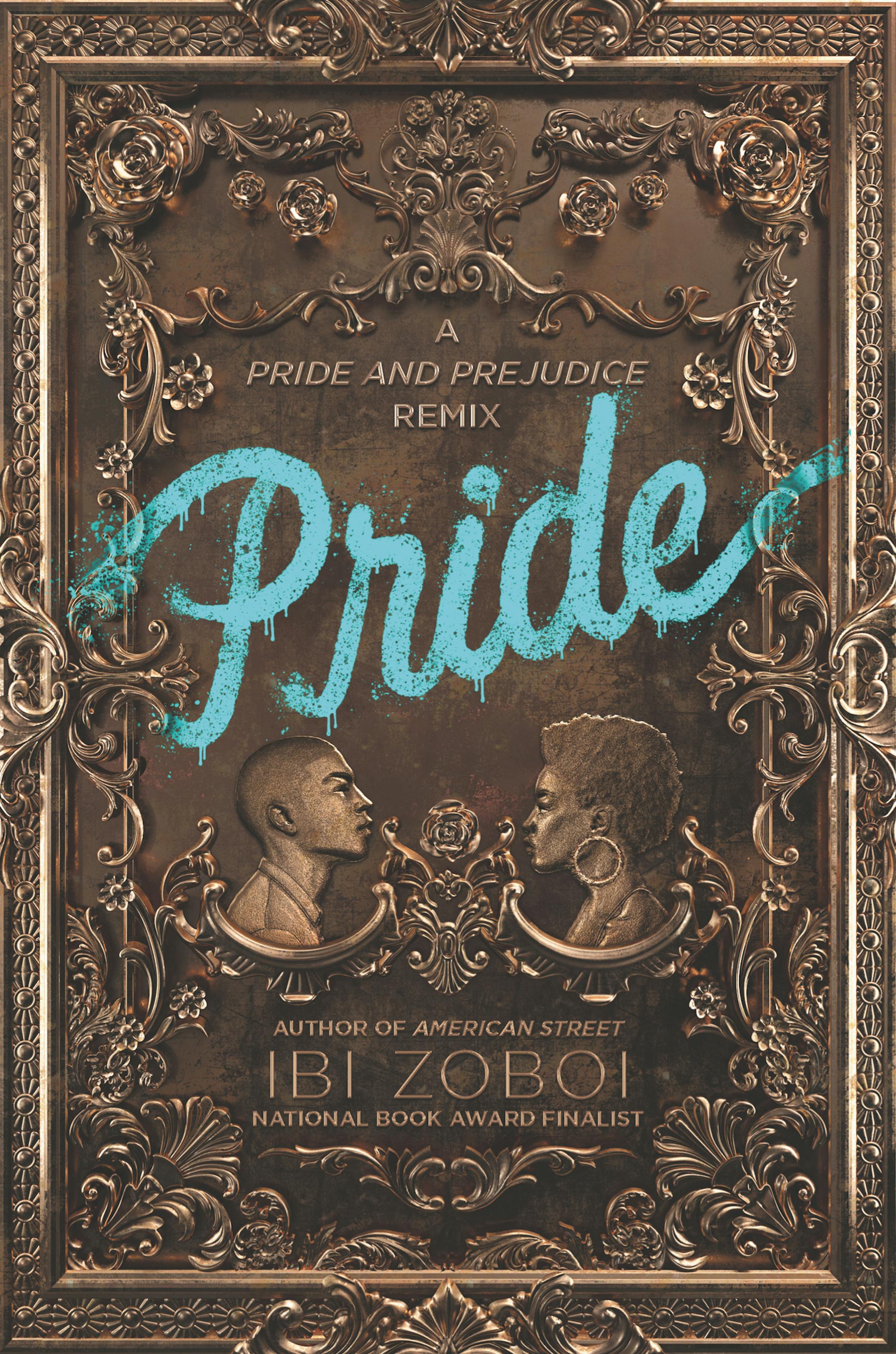
Ibi Zoboi's first novel, the National Book Award-nominated "American Street," tackled questions of immigration, poverty and violence in a decaying Detroit.
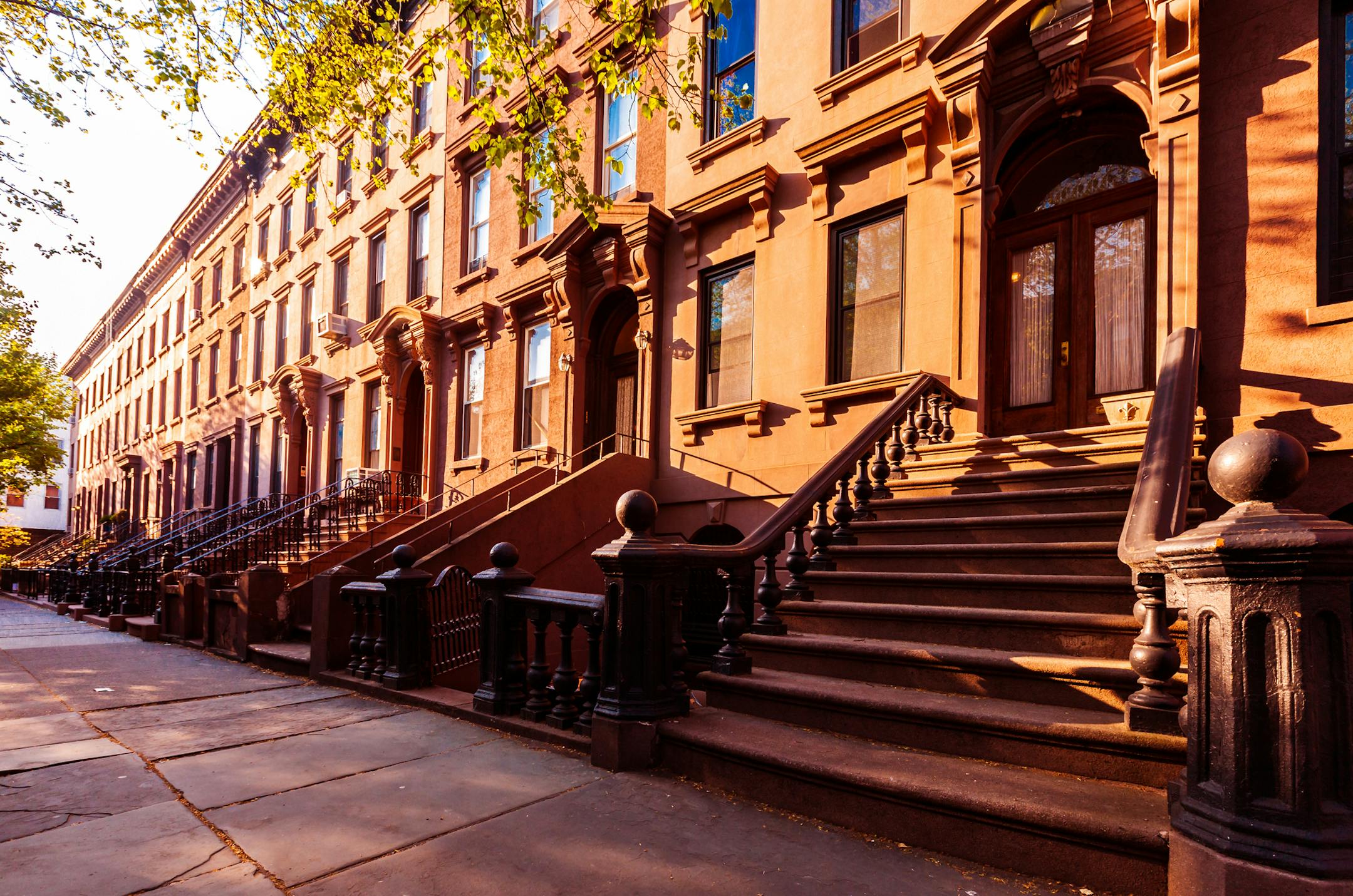
Her second, a "Pride and Prejudice" remix, uses a lighter touch but still paints a picture of a changing neighborhood, this time Brooklyn's Bushwick.
"It's a truth universally acknowledged that when rich people move into the hood, where it's a little bit broken and a little bit forgotten, the first thing they want to do is clean it up," 17-year-old Zuri Benitez reflects as the wealthy black Darcy family moves into a rehabbed mini-mansion across the street.
The arrival of the Darcys and their two handsome teenage sons signals change for the five Haitian-Dominican Benitez sisters across the street. That makes Zuri, the family's protector and "hard candy shell," hold even tighter to the community she loves.
She takes an instant dislike to second son Darius Darcy, even as her older sister Janae is smitten by Darius' brother Ainsley. Darius wears his pants a little too tight and doesn't acknowledge the other young men on the block. But the real issue is that he seems to consider Zuri's family beneath him.
When the Darcys throw a party to welcome their new neighbors, Mrs. Darcy awkwardly accepts the homemade pastelitos and Haitian fried pork the Benitezes bring to share. The party is later derailed when Zuri's younger sister Layla finds a glass of wine and starts spilling lines like, "We're bad and bougie up in this bitch."
In moments like this, Zoboi captures the sharp social satire that keeps Austen's novel fresh two centuries later. And her novel turns a lens on a Brooklyn neighborhood where expensive organic food is turning up at the corner bodega, and white hipsters are encroaching on a community held together by block parties.
There's also tension between the old-money Darcys and the up-and-coming immigrant Benitezes. But for much of the novel, Darius remains a cipher. Zuri makes it clear that she's not impressed by him or his money.