

A review of more than 14,000 criminal convictions across Minnesota using new DNA technology did not reveal a single wrongful conviction.
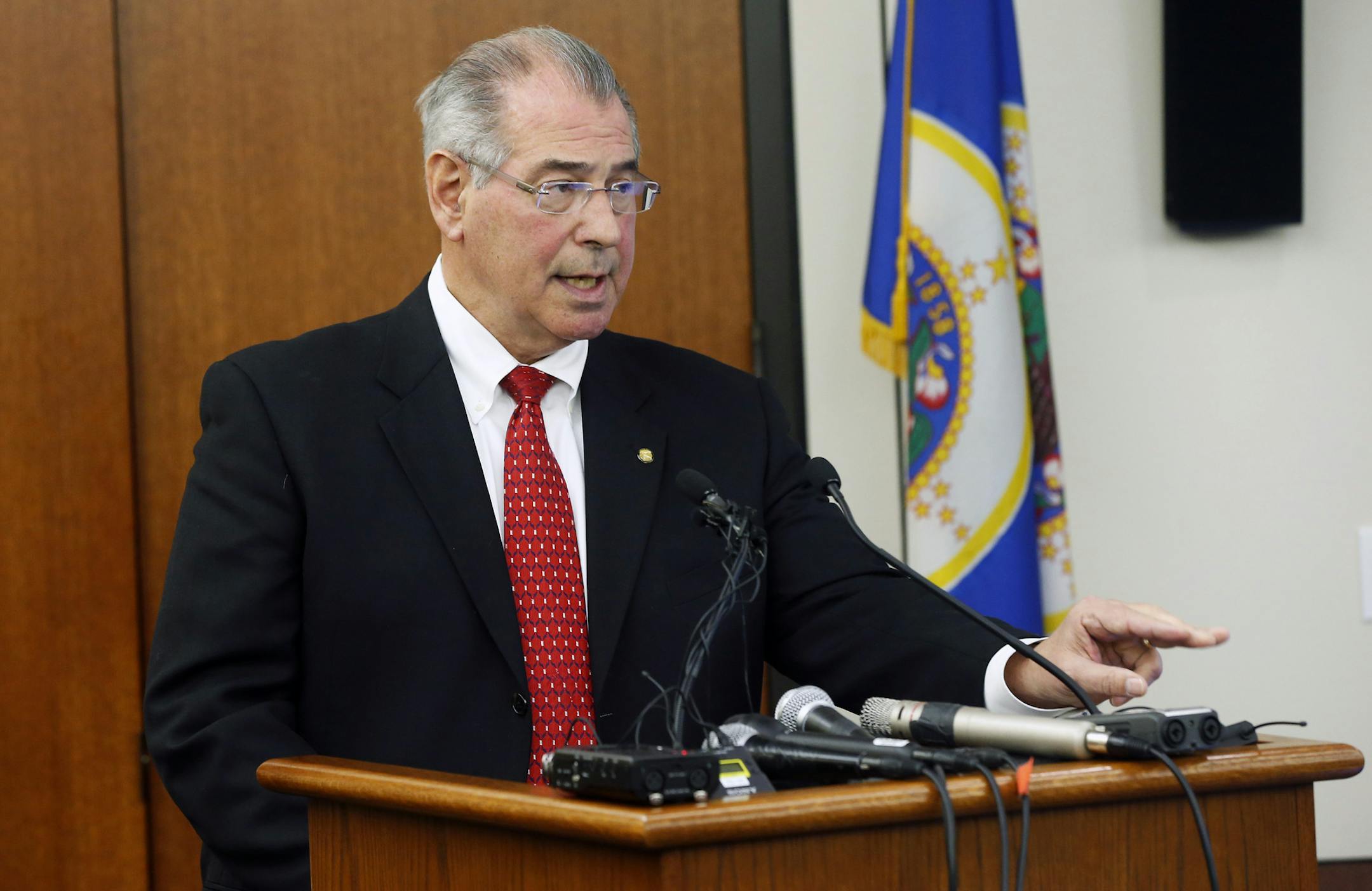
Hennepin County Attorney Mike Freeman, whose office revealed the results Wednesday, led the federally funded review of 18 years of criminal convictions to see if current DNA testing could lead to any exonerations.
"Frankly, I wasn't sure the results would be this good," Freeman said.
The review, starting in 2010 and ending last fall, was done with the state Bureau of Criminal Apprehension, the Minnesota Innocence Project and the Office of Minnesota's Board of Public Defense. While each case was reviewed, 13,553 cases were closed without further DNA review because DNA couldn't prove innocence and in most cases, the offenders' identity wasn't an issue.
New DNA testing could have proved innocence in only 33 cases and of those, 12 defendants declined testing, 11 tests were inconclusive, eight tests confirmed the original conviction and two cases are still under review.
One of the two still under review is the 1980s case of Billy Glaze, who was convicted in a series of murders of American Indian women in Minneapolis. He died last year in prison after the Innocence Project introduced new DNA evidence in court that it says shows another man, a convicted rapist, had DNA at two of the three crime scenes.
"We believe through this grant we proved Billy Glaze is innocent," said Julie Jonas, legal director of the Minnesota Innocence Project, adding that an exoneration hasn't happened yet but "we believe it will."
Freeman said Glaze confessed to the crime and the case died when Glaze did, adding that no more public money should be spent on the case.


