


Lucy Barton doesn't quite grasp what is going on when her ex-husband, William, calls her early in 2020 and tells her to pack a bag, they are fleeing New York. "Let me get you out of this city," he says. "Just for a few weeks."
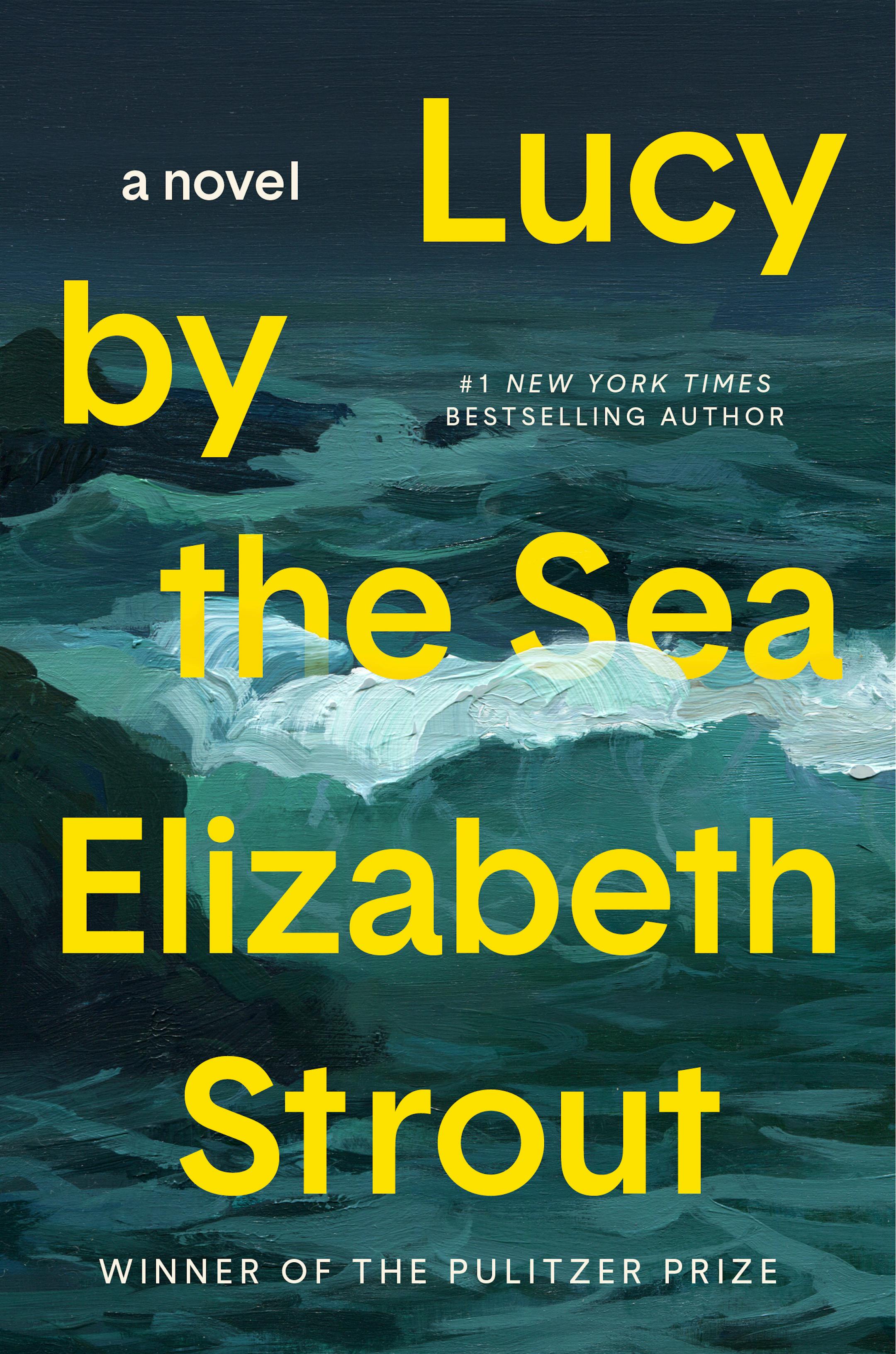
Lucy had heard of the coronavirus, of course, but she thought it was an Italy thing — "I did not think about it ever coming to New York," she says in "Lucy by the Sea," the third Lucy Barton novel by Pulitzer Prize winner Elizabeth Strout. This is a quietly profound book about grief and loss — oh, so much loss! — but also kindness, generosity and resilience. People are always looking out for one another in this novel, beginning with William's rescue of Lucy.
And so Lucy packs a small rolling suitcase, puts on her spring coat, and they head to Maine, where William has rented an isolated house by the edge of the ocean.
Maine is much colder than New York and she freezes in her light coat. She is miserable; she hates all of it — the cold, the house, the isolation. William gets on her nerves. She worries about their grown daughters. She takes walks along the shore, swearing out loud in the dark. "The sadness that rose and fell in me was like the tides," she says.
Unhappiness stretches to every corner of Lucy's life as she realizes that she and William are not leaving Maine in a few weeks or, possibly, ever. She mourns her apartment; she mourns New York. She is shocked when a friend dies of the virus, annoyed when William spends evenings working jigsaw puzzles ("I hate this kind of thing," she says), deeply upset when the nightly news comes on television. It starts to snow. She hates the snow.
William says, wearily, "Lucy, we're in lockdown. Stop hating everything."
In her utterly clear, unmistakable voice, Lucy grapples with the magnitude of that year — not just the pandemic, but the unrest following the murder of George Floyd, the hostility of rural residents toward city visitors, the backlash against masks and vaccines, the Jan. 6 insurrection.
Strout's depictions of the enormous social travesties are not always convincing. "I felt both hopeless and also hopeful," Lucy says of the George Floyd protests. "But I felt more than that. I understood the anger, I really did." While we believe her — this woman who grew up terribly abused and impoverished has plenty to be angry about — her observations feel almost too small for such catastrophic events.


