'How could this have happened here?"
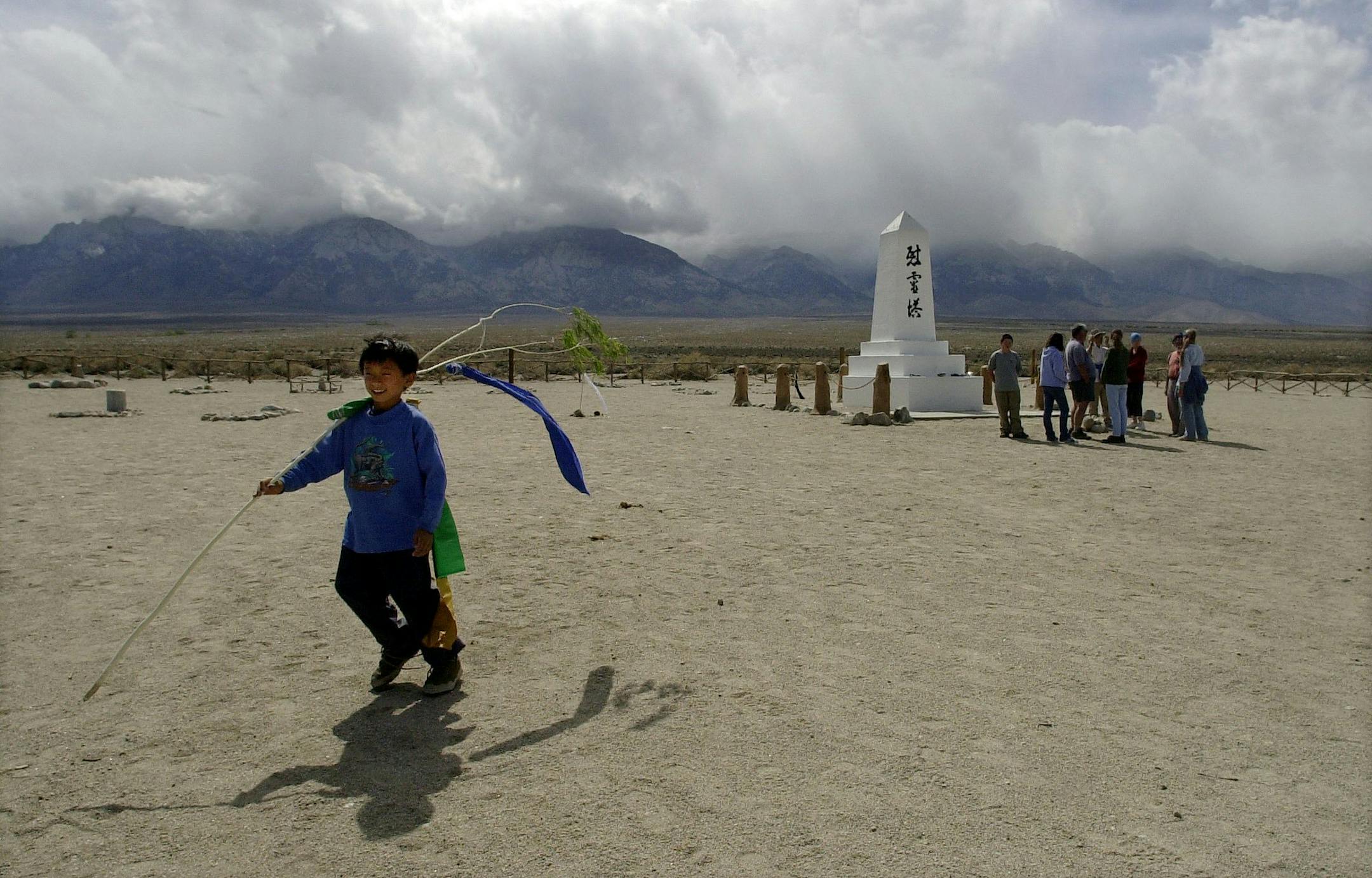
That's the question Richard Reeves asked himself every time he drove by a faded sign in the desolate high desert between Los Angeles and San Francisco. The sign marked the site of the Manzanar War Relocation Center, one of 10 concentration camps where more than 120,000 Japanese-Americans were locked up during World War II.
As a group, these first- and second-generation Americans were fiercely patriotic and committed to the "American way." They were successful farmers, businesspeople, students and community leaders. But in time of war, their racial connection to an enemy trumped their rights as citizens.
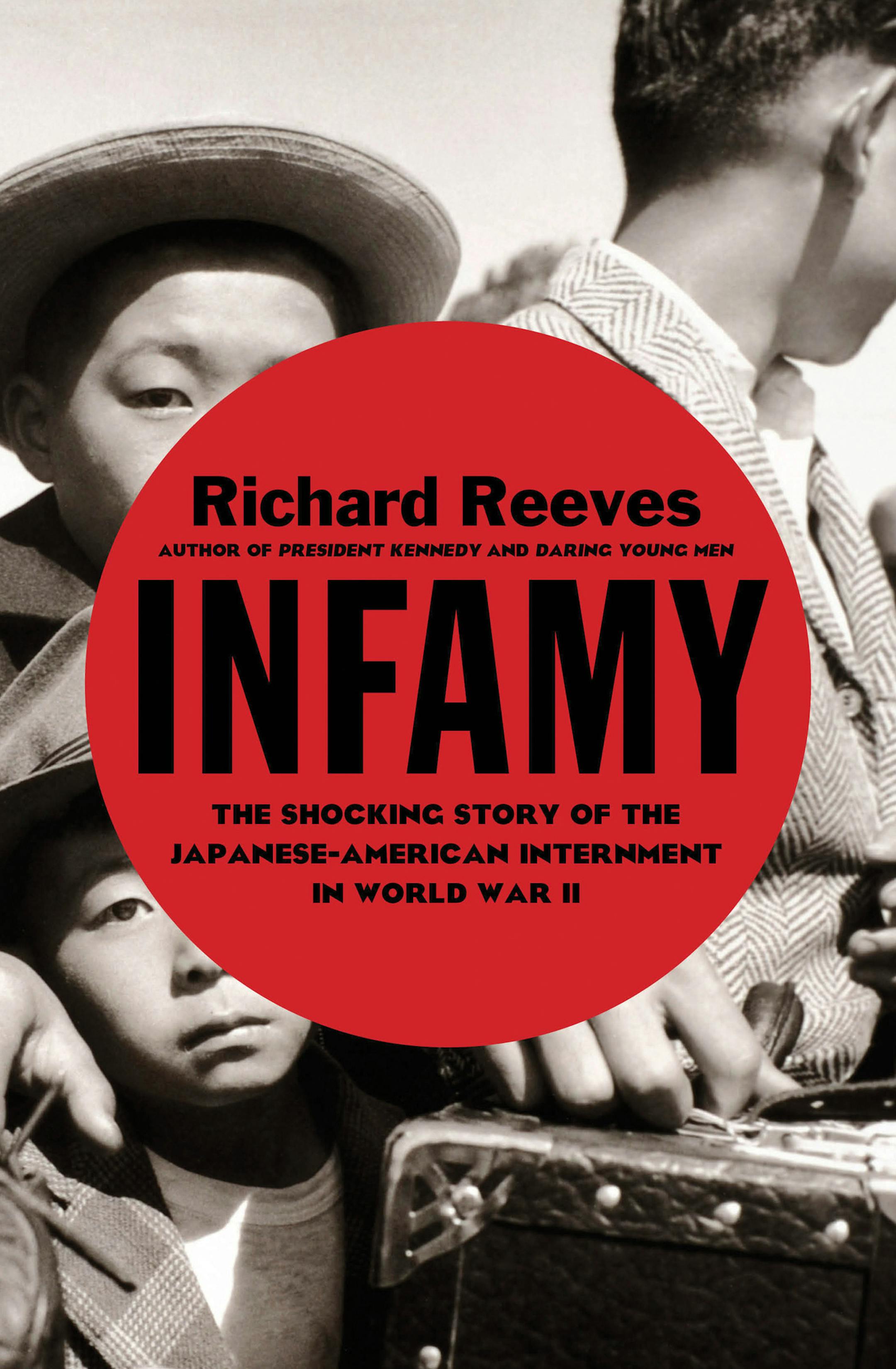
"Infamy: The Shocking Story of the Japanese-American Internment During World War II" tells their tale with energy, compassion and moral outrage. Reeves, a veteran journalist, answers his own question with meticulous care — documenting the decisions made in Washington by the world's most powerful men, and how those decisions affected the lives of ordinary Americans whose only crime was to be of Japanese descent.
Within 10 weeks of the Japanese attack on Pearl Harbor, all Japanese living on the West Coast and in the Pacific Northwest were ordered out. The given reason: They were a threat to security, potential saboteurs whose loyalty would lie with Japan rather than America. Families were rounded up and herded onto trains bound for hastily built prison camps in some of the bleakest corners of the nation.
Among those sent to the camps were the actors George Takei and Noriyuki "Pat" Morita, as well as Norm Mineta, a member of Congress and a cabinet secretary under two presidents.
Few Caucasians emerge with honor from the tale. John J. McCloy, the quintessential Eastern Establishment power broker, dismissed the U.S. Constitution as "a scrap of paper." Earl Warren's name would become synonymous with civil rights for African-Americans as chief justice of the U.S. Supreme Court, but in 1942, as attorney general of California, he enthusiastically supported the imprisonment of American citizens of Japanese descent.
President Franklin D. Roosevelt kept a low profile on the issue, letting others whip up emotion in favor of internment, then signing off on it after public and official sentiment had made it inevitable.