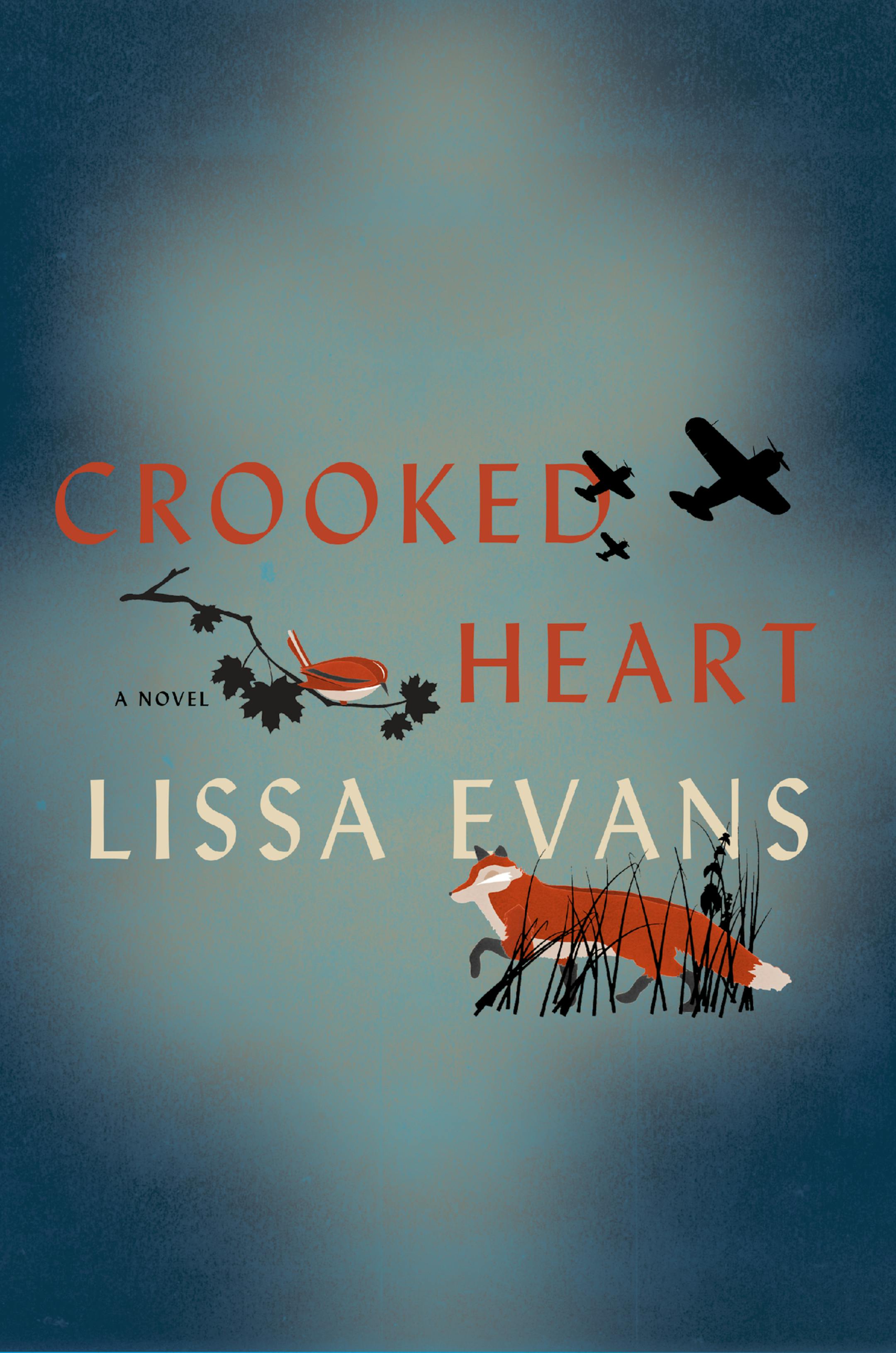
Set in and around London in the first couple of years of World War II, Lissa Evans' exceptionally engaging "Crooked Heart" brings effervescent wit and oddball whimsy to a venerable formula: Two mismatched, originally hostile people are thrown together by circumstance and join forces to confront a heartless world.
Noel is a 10-year-old orphan, evacuated from London, where he had been living, first with his much loved godmother, a onetime suffragist and born contrarian, and, after her death, with his despised aunt and uncle.
He is billeted outside London with Vee, a widow living with her layabout son, Donald, and her invalid mother, Flora, both of whom treat her as their personal lackey. Donald is up to something nefarious, and Flora spends her days writing letters, among them to Winston Churchill offering him her thoughts on the war ("Never mind about the French, no one here is surprised") and personal observations ("I saw your picture in the paper last week and I hope you don't mind me saying that I wonder if you're getting enough fresh air").
Vee — something of a grifter and always scrambling for a living — is prompted to take Noel into her home, in part because of the 10 shillings and sixpence a week paid for putting up evacuees, but chiefly because she sees in the boy, who has a limp, a likely prop for her scheme of collecting charitable contributions in the name of such heart-wringing entities as Dunkirk Widows and Orphans, Cricklewood Division.
Soon enough, the two discover in each other a mutual and bracing disregard for the niceties of the law. Noel, it emerges, is a gifted strategist, has a cool head and takes positive pleasure in small acts of anarchy. The unlikely pair go off to London by train almost daily: Vee in the role of mourning war widow, Noel as her afflicted son. They make out handsomely and, along the way, befriend a befuddled, well-born old lady, also a suffragist in her younger days.
It is a profitable relationship with a kindly side, instilling loyalty in Noel and a desire for retribution when the poor woman falls prey to one of the more malign opportunists at large during the Blitz.
As this thread of the story has been zipping along, the plot has not forgotten Donald and his secret doings or Vee's mother and her epistolary drive; both enterprises develop their own very funny and, in Donald's case, dreadful complexities.
The entire novel is a joy from start to finish: briskly paced, taut and snappy with humor and, ultimately, sweet.