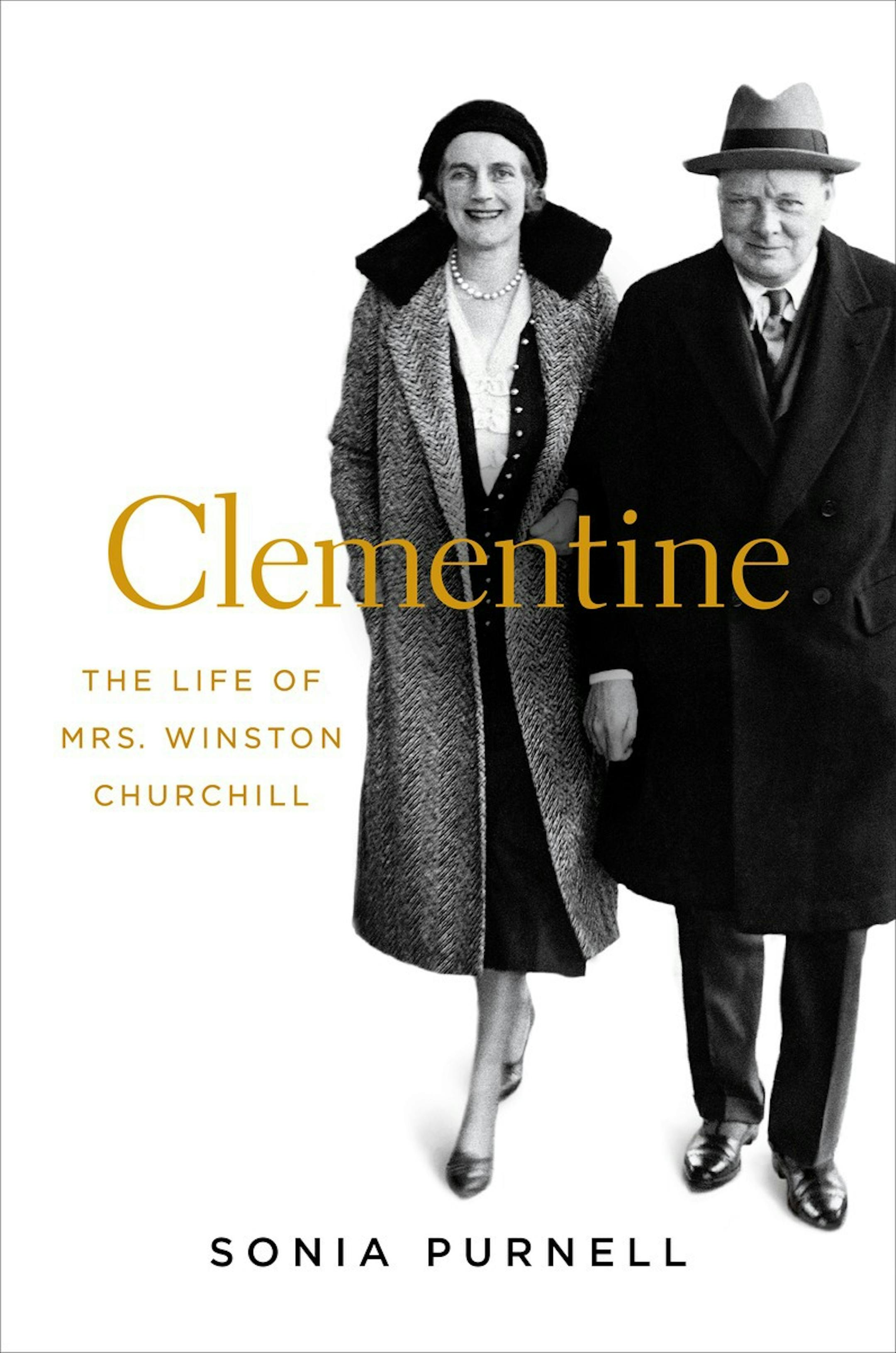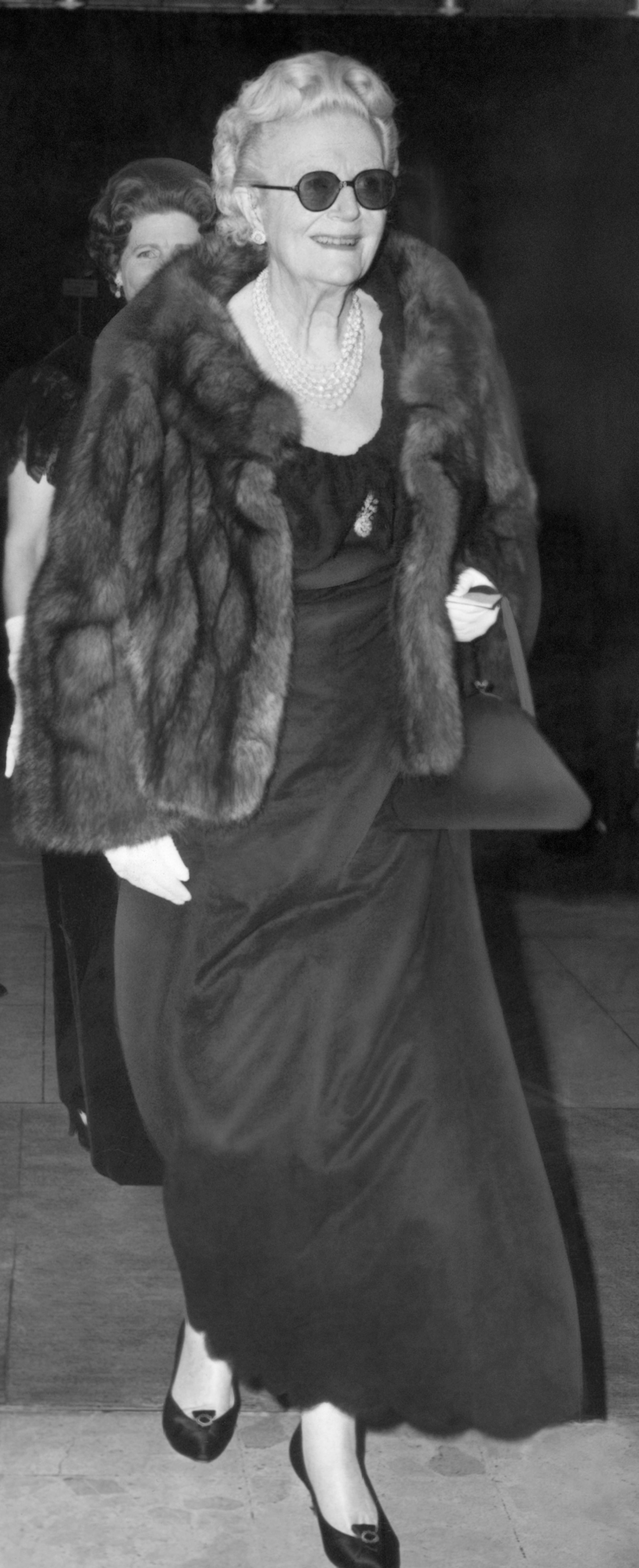
"Clementine: The Life of Mrs. Winston Churchill" is the first fully researched biography of Clementine Churchill, something that might come as a shock to readers once they learn about her rich and politically significant life.
Author Sonia Purnell was fortunate enough to have at her disposal a biographer's gold mine of written correspondence between Clementine and Winston Churchill, notes the two exchanged constantly, whether by overseas telegram or handwritten missives slipped under bedroom doors.
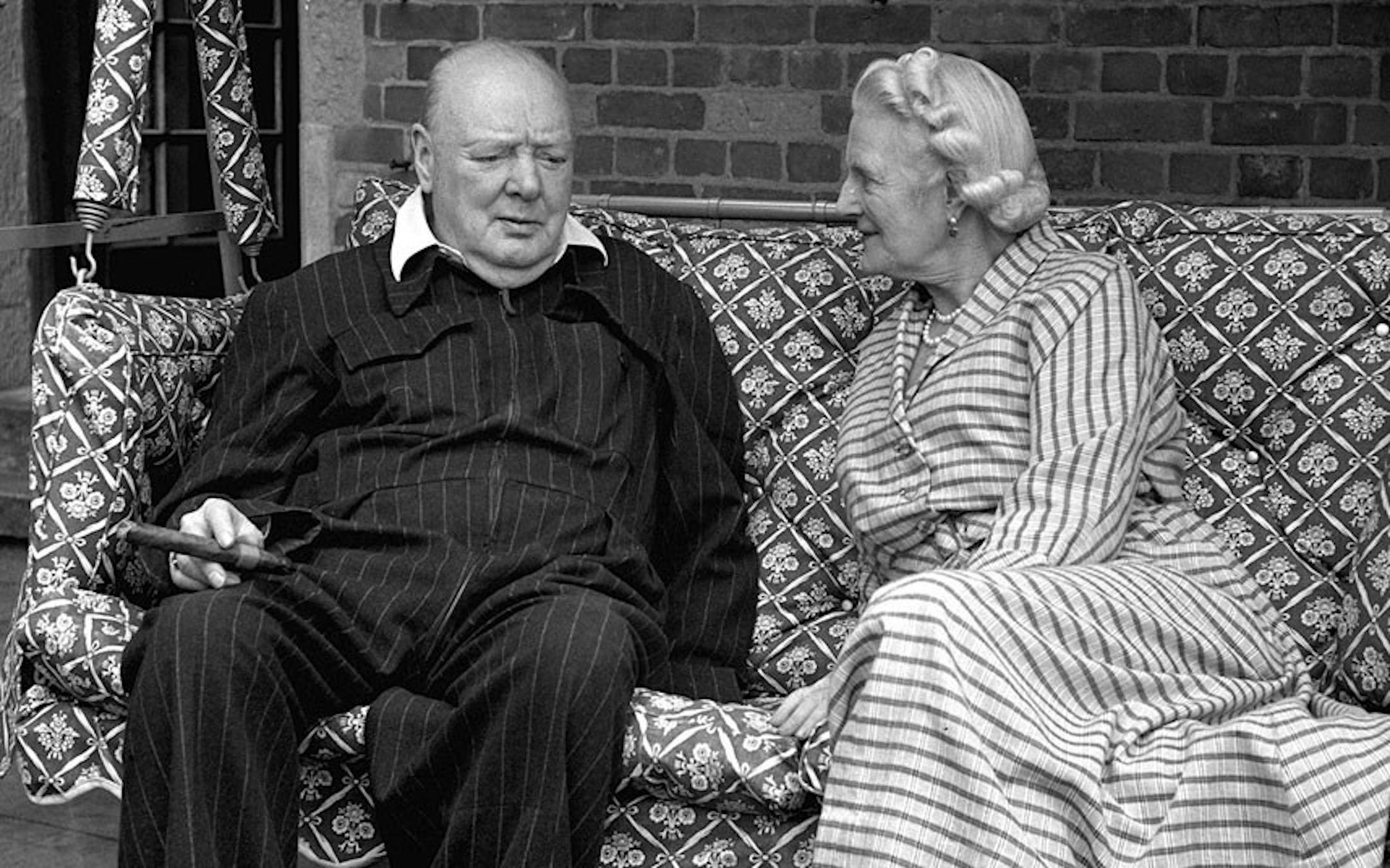
Within this roughly 1,700-piece trove of correspondence we see in Winston an adoring, deferential husband, and in his "Clemmy" a loving — if, at times, exacting — companion and partner in all facets and phases of his life.
These letters provide the foundation for a fascinating and well-written account of a woman who played a key role in many pivotal moments of early-20th-century British and world politics.
Better informed than many cabinet ministers, Clementine was an invaluable ally in her husband's rise to power. While Winston possessed extraordinary charisma and confidence, he was often oblivious to the nuances of the interpersonal realm, an area in which Clementine's sensitivities were keenly attuned — perhaps owing to her own emotional fragilities which, though generally well-hidden, were ever-present.
She wouldn't hesitate to weigh in privately when she felt Winston was on the verge of making an impolitic move — whether in the political or social sphere — and, to his credit, the normally stubborn Winston was willing to listen.
Clementine was, by her own admission, challenged by the experience of motherhood. With the exception of Mary, the youngest, the Churchill children's lives and relationships to their parents were fraught with difficulties. It's perhaps not surprising, given how attentive Clementine was to Winston and his career, that her achievements on the maternal front were somewhat limited.
While the book makes much of this failing, it may be unrealistic to assume that a woman focused so intently on politics and marriage would have had much left over for her children.