

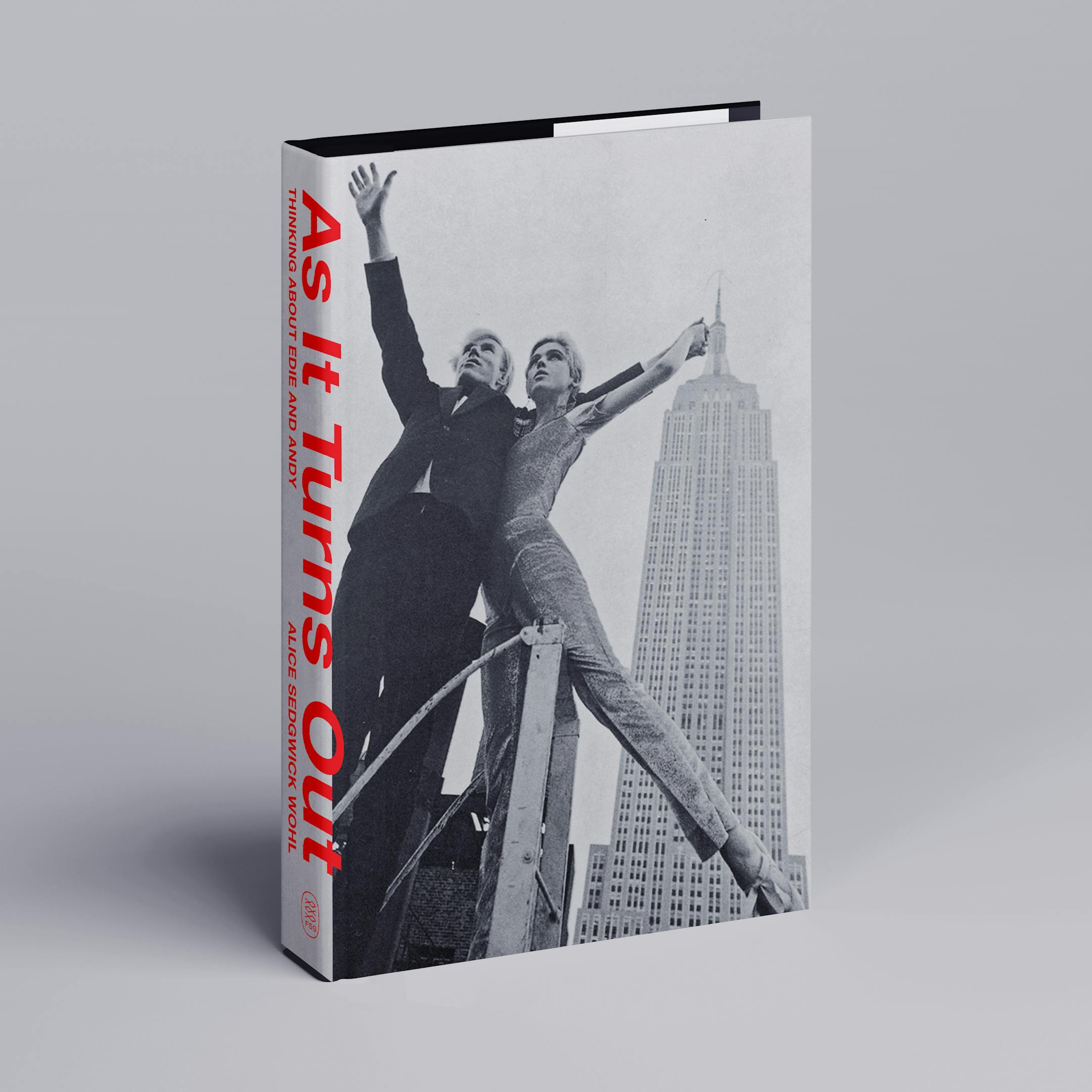
From March 1965 until January 1966, New York City was beguiled by an unexpected "it" couple. Andy Warhol — effete, strange-looking with his pallid skin and silver wig — was emerging as the principal practitioner of Pop Art. Edie Sedgwick — waiflike, modern with her pixie haircut and hoop earrings — was described as a debutante, heiress and member of the Boston Brahmins (none of which was actually true).
During their time together in the spotlight, which started in earnest when they appeared at a preview of "Three Centuries of American Painting" at the Metropolitan Museum of Art and received more press attention than fellow attendee and first lady Lady Bird Johnson, they dominated the Manhattan social scene. As Merv Griffin said of them when they appeared on his television show, "No party in New York is considered a success unless they are there."
Although the pair made for glamorous pictures, their fame was based on more than media coverage. During those 10 months, Edie was an integral part of the experimental films Warhol was making. His films were often little more than unedited reproductions of everyday life, such as a person sleeping or people kissing, but those featuring Edie, particularly "Poor Little Rich Girl," were real-life portraits of a beautiful and engaging subject. As Warhol later wrote, "The fascination I experienced was probably very close to a certain kind of love."
Their collaboration is the core of "As It Turns Out: Thinking About Edie and Andy," by Alice Sedgwick Wohl, Edie's older sister. The book is a family memoir with Edie as a primary focus. Unflinching in its honesty, Wohl's memoir provides a disquieting glimpse into one family in America's privileged class, a family made worthy of examination because one of its members — whose presence lives on luminously in her films — remains a source of fascination more than 50 years after her death.
Edie's parents, Alice de Forest and Francis ("Fuzzy") Sedgwick, were warned by a psychiatrist not to have children. They had eight. Edie was the penultimate. By the time she was born, the family had left a mansion in Cold Spring Harbor on Long Island for a ranch near Santa Barbara, Calif. When oil was discovered there, Fuzzy moved his brood to a larger ranch, Rancho La Laguna de San Francisco, where Edie spent her formative years. Her main activity was horseback riding.
As for Edie's mother, Wohl declares, "I never saw my mother lift a finger except to saddle her horse." She eschewed both housework and child-rearing. The father, a member of no fewer than seven private clubs, was an unapologetic racist who made sexual advances toward his daughters. "When Edie got to New York," Wohl writes, "she told everybody she had been subjected to Fuzzy's sexual advances from the age of seven."
One day when Edie walked in on her father having sex with "a beautiful young wife we all knew," he assaulted her and "called the doctor and said she was crazy." Edie told her mother what happened, but, according to Wohl, "Mummy wouldn't believe her ... and after that she was kept in a darkened room half-drugged all the time."
It's not surprising that during her teenage years and early 20s, Edie suffered from bulimia, aborted an unwanted pregnancy (then illegal), and served stints at Silver Hill, a psychiatric hospital in New Canaan, Conn., and "the modern incarnation of the old Bloomingdale Insane Asylum" in White Plains, N.Y., where she received electroshock therapy treatments.

