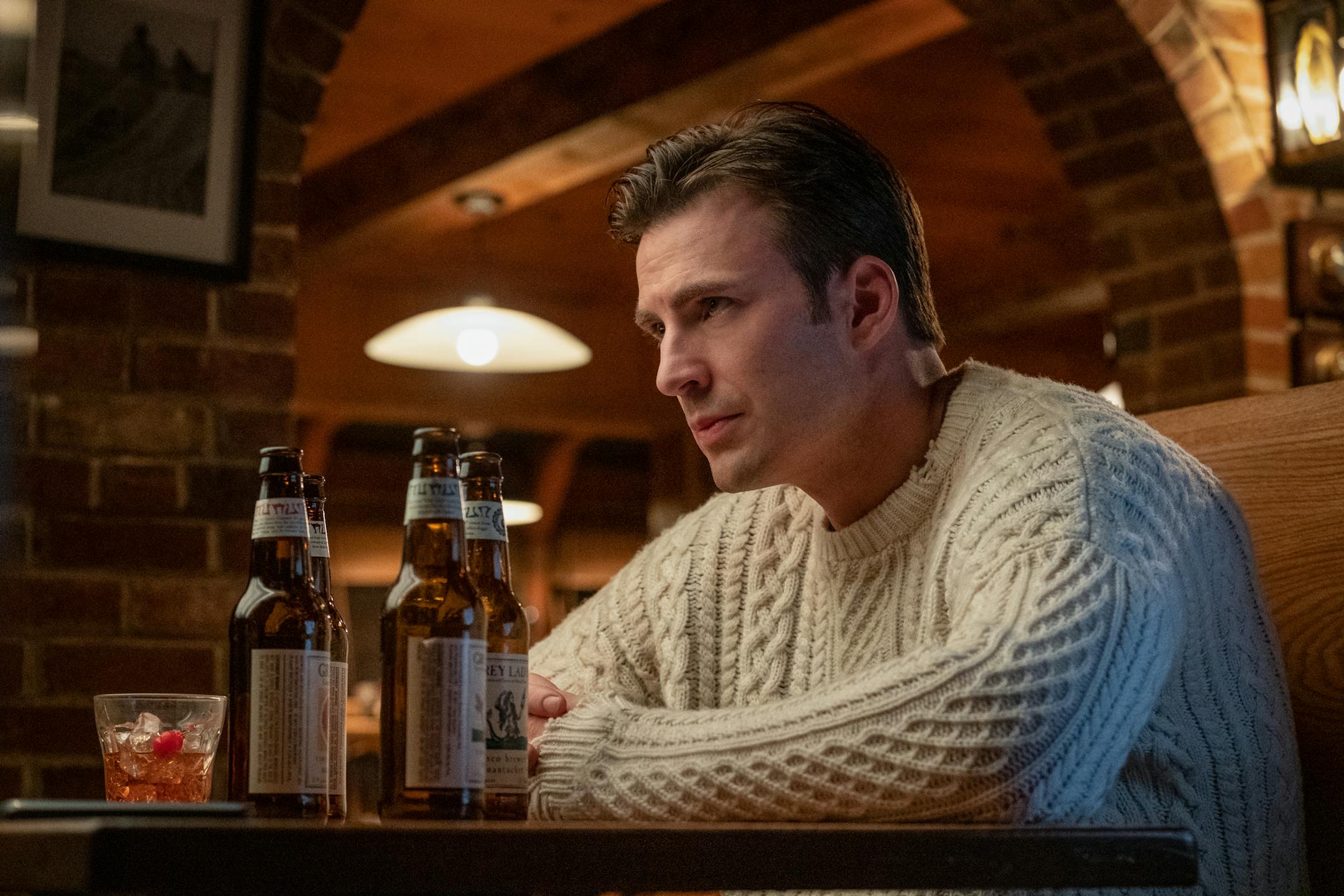
It started with a simple sweater. After Harry Styles wore a color-block patchwork cardigan for the "Today Show" last February, knitters went into a kind of frenzy trying to reverse-engineer the pattern.
So many TikTok and YouTube users shared their process using the hashtag #harrystylescardigan — racking up tens of millions of views — that the creator of the original cardigan, Jonathan Anderson of the brand JW Anderson, released an official pattern and tutorial video.
In the end, the original sweater was acquired by the Victoria and Albert Museum in London, praised by the institution as a "cultural phenomenon that speaks to the power of creativity and social media in bringing people together in times of extreme adversity."
Knitters and crocheters always have been a resourceful (and community-minded) bunch. But the reverse-engineer-knitting craze unfolding on social media owes much to the current moment.
"Crafts bloom when people are stuck at home," said Abby Glassenberg, president and co-founder of Craft Industry Alliance.
The boon, Glassenberg said, is driven in part by crafters finding inspiration and encouragement from others. Patterns for scarves from "Harry Potter," shawls from "Little Women" and Baby Yoda plushies are easily found on Ravelry, a popular website by knitters and crocheters.
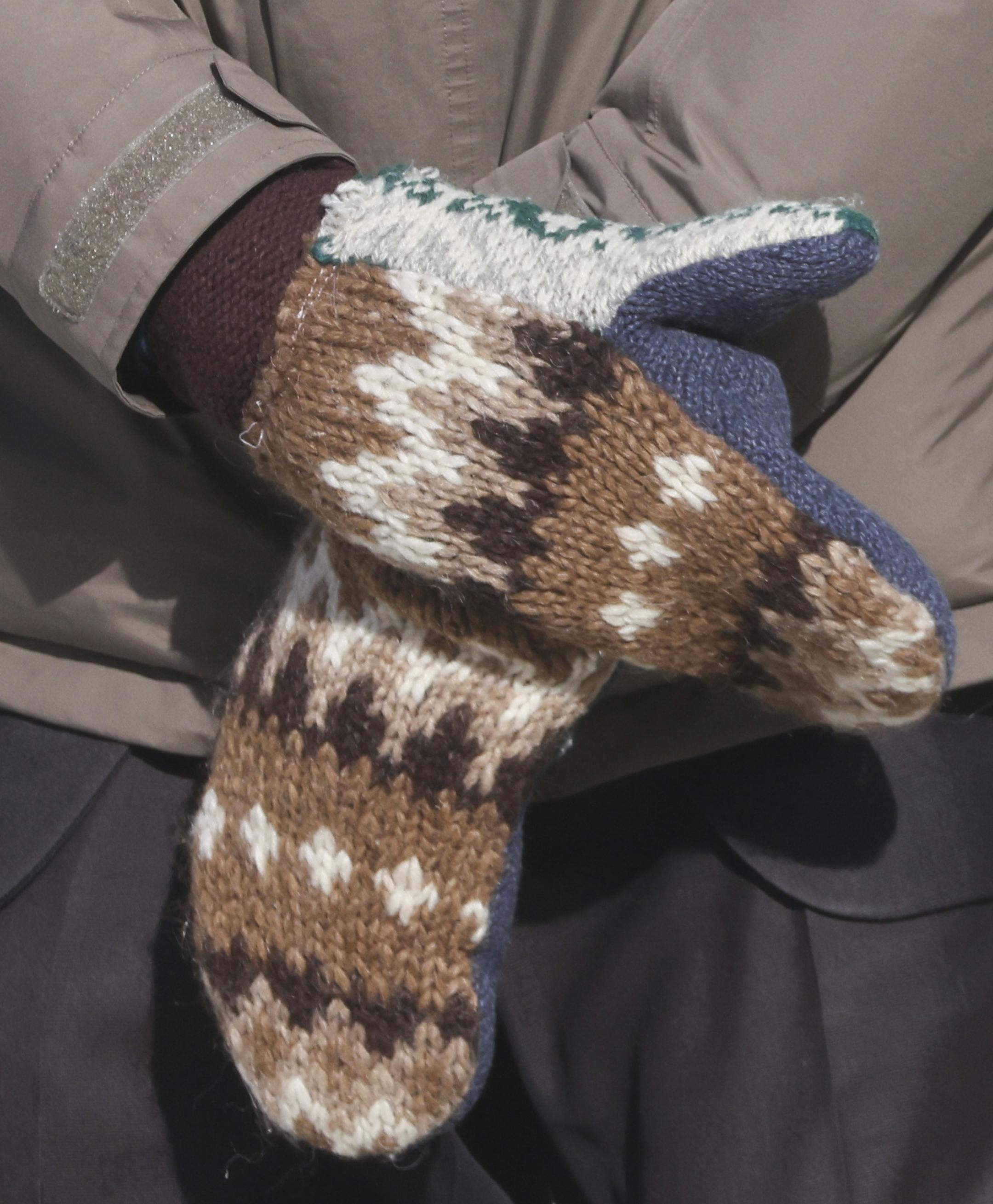
When Sen. Bernie Sanders was spotted (perhaps you've seen some memes?) wearing large patterned mittens to the inauguration, knitwear fans turned to Ravelry in search of the pattern. And sure enough, in less than 24 hours, Meg Harlan, a 27-year-old climate scientist, had reverse-engineered one and posted it to the site.
"I wrote the pattern to knit a pair for myself, sort of as a joke, but decided to post it as I love the community that Ravelry has created for sharing ideas and excitement about knitting/crocheting around the world," Harlan wrote in an e-mail. "It has been great fun to see all the comments from folks who are excited to be able to knit a pair for themselves!"