

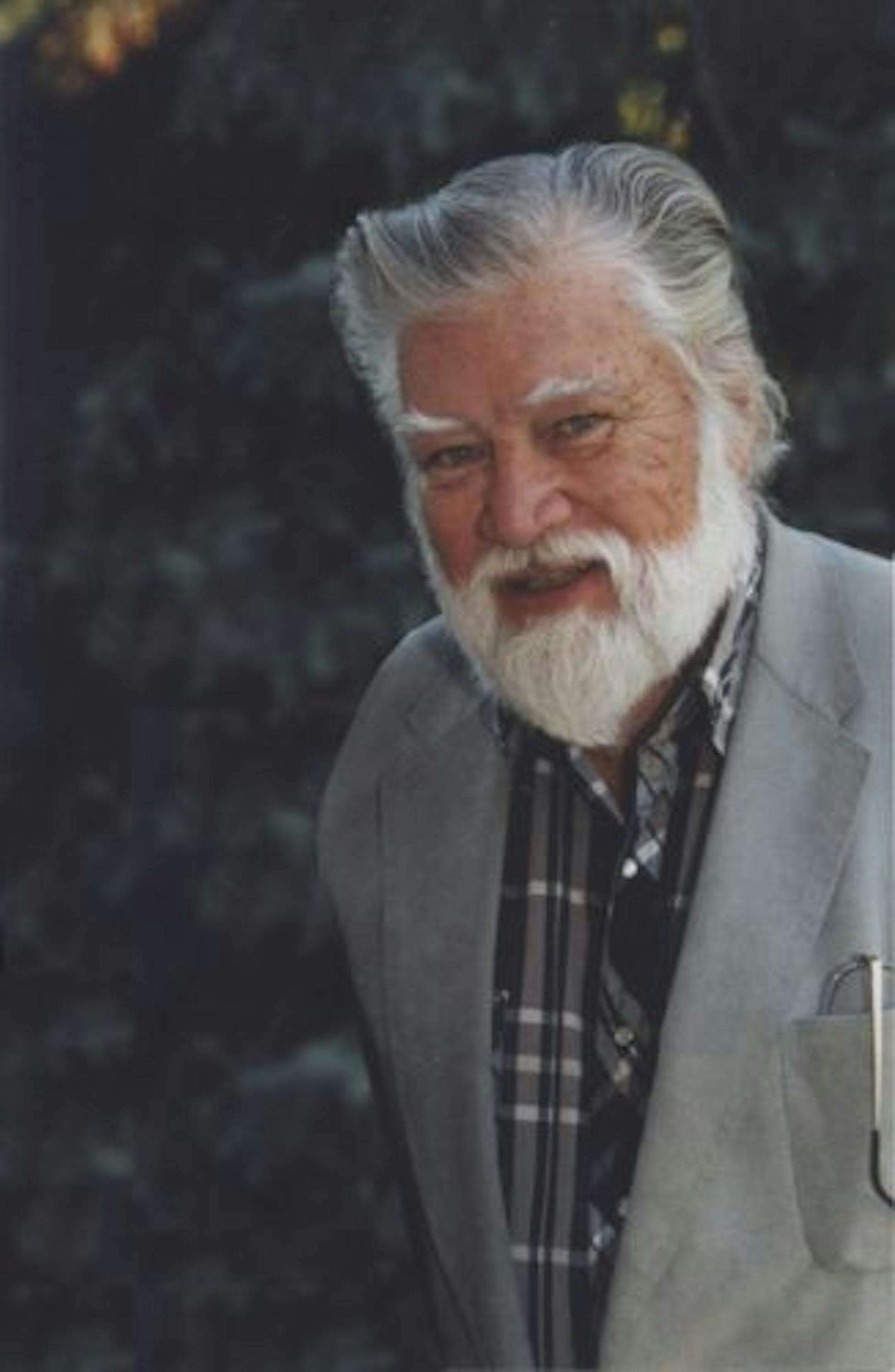
The Rev. J. David Simonson was a bear of a man who became a missionary legend. He went to Tanzania in 1956 and spent the next half century spreading the gospel while building several thousand small schools and dozens of churches.
After surviving malaria, anthrax, heart surgery and strokes, Simonson, 80, died Monday. He choked on a bite of sandwich at his home outside Arusha, said his daughter Naomi Simonson.
The son of a Lutheran pastor, Simonson and his wife, Eunice, raised their five children in Tanzania. The Maasai people gave them land overlooking Mount Meru near Arusha, where they built the sprawling complex that was the family's home. He also founded and built the Maasae Girls Lutheran Secondary School near Arusha.
Eunice Simonson, a nurse, ran a clinic in their home. The clinic evolved into a full- fledged hospital in Arusha.
Simonson, who was a 6-foot-2, 245-pound football captain at Concordia College in Moorhead, Minn., became revered among the Maasai tribe after he shot a lion charging toward a village one night in the 1960s.
"David Simonson was a man of uncommon capacity and purpose," said Concordia Interim President Paul Dovre in a statement. "His sense of vocation was unwavering as was his commitment to the Maasai to whom he devoted his ministry."
Lonnie Pederson, Concordia's annual fund director, helped raise scholarship funds so the top graduates from the girls school could come to the college and earn four-year degrees. She traveled to Arusha to meet the Simonsons. "He was legendary because of the life he brought to the Maasai people and the opportunities for Maasai women to be educated," Pederson said. "He helped thousands through education and the clinic and churches he helped start and support. He is an extraordinary networker among all types of people, whether the Maasai, elected officials or the bishop of the Lutheran diocese in Tanzania."
Simonson's network extended to Minnesota, where he traveled annually to talk to churches and supporters of Operation Bootstrap. He started the nonprofit agency in the mid-1960s to provide money for materials for schools, churches and aid work in Tanzania.


