

There is a sense that baseball is primed for a comeback in the sporting public's conscience, even though the effects probably won't be felt in Minnesota until we get to that steamy night this August when Jose Berrios is on the mound, Byron Buxton is in center field and a spot in the lineup has been found for Miguel Sano.
Across much of the nation, it should not take that long, for there were some negative clichés destroyed last October that have been aimed in the past at the Grand Old Game.
The idea that baseball's lack of a salary cap eliminates the chance of lower-revenue teams for glory had been well-refuted over the past decade, and it happened again with Kansas City's dramatic push to the World Series.
Also, the sight of big leaguers such as Bartolo Colon provides the game's critics a chance to stereotype ballplayers as marginal athletes and certainly not in possession of the warrior's spirit that you see in a football, basketball or hockey player.
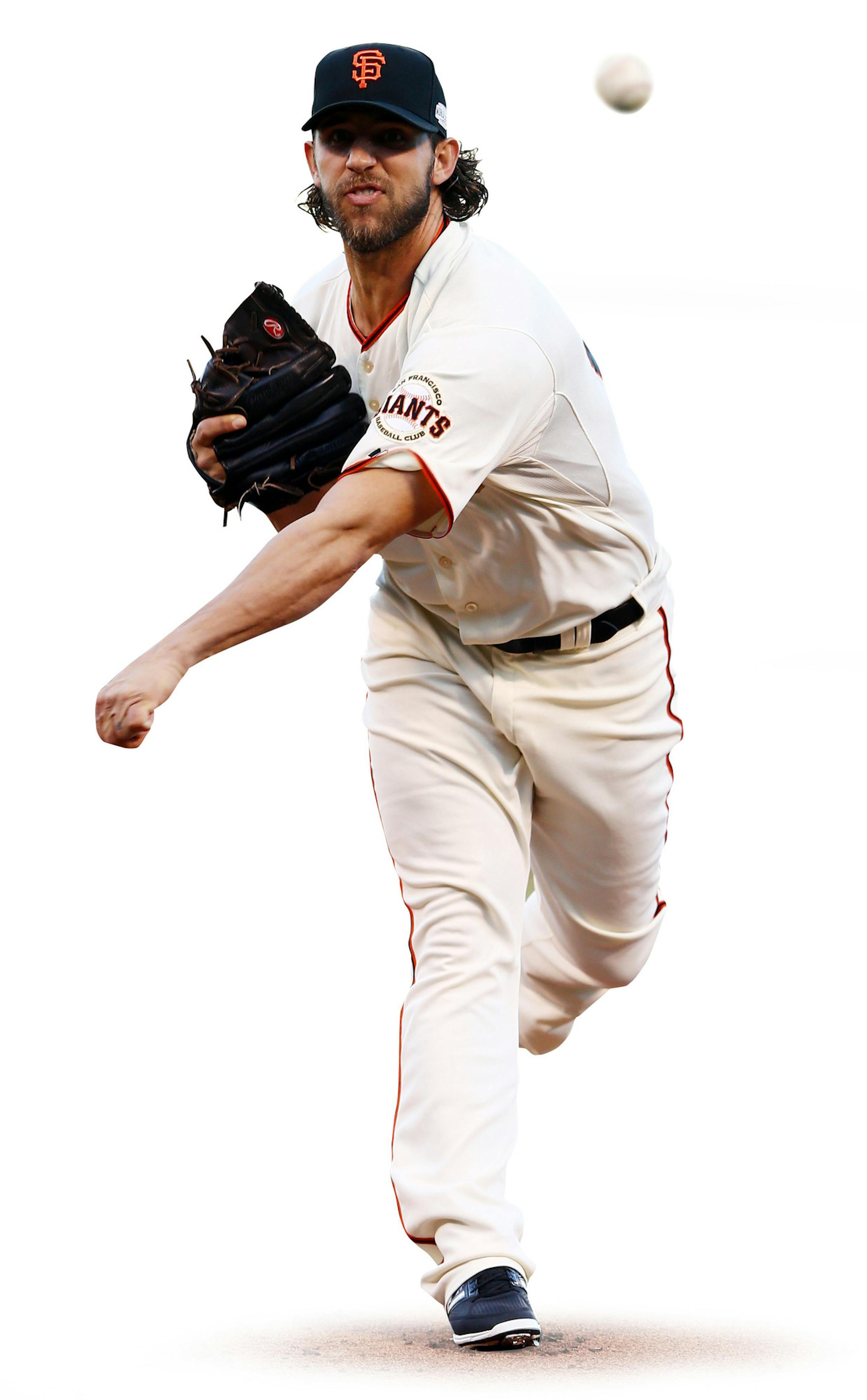
And then here comes Madison Bumgarner, handling pressure with the cool of Tom Brady, accepting a physical challenge that would strain LeBron James in a seven-game playoff series.
It was not getting rushed from the blind side, not getting double-teamed in crunch time, but there is no greater strain on a limb in sports than that on a pitcher's arm, and Bumgarner was magnificent as he dealt with it.
The interaction between Bumgarner and San Francisco manager Bruce Bochy will stay among my all-time favorite sports dramas. It was wonderful because there was no interaction.
Bumgarner had pitched 47⅔ innings since starting the postseason Oct. 1 with an 8-0 shutout of the Pirates in Pittsburgh. He had pitched another shutout Oct. 26, beating the Royals 5-0 and giving the Giants a 3-2 lead in the Series.


