

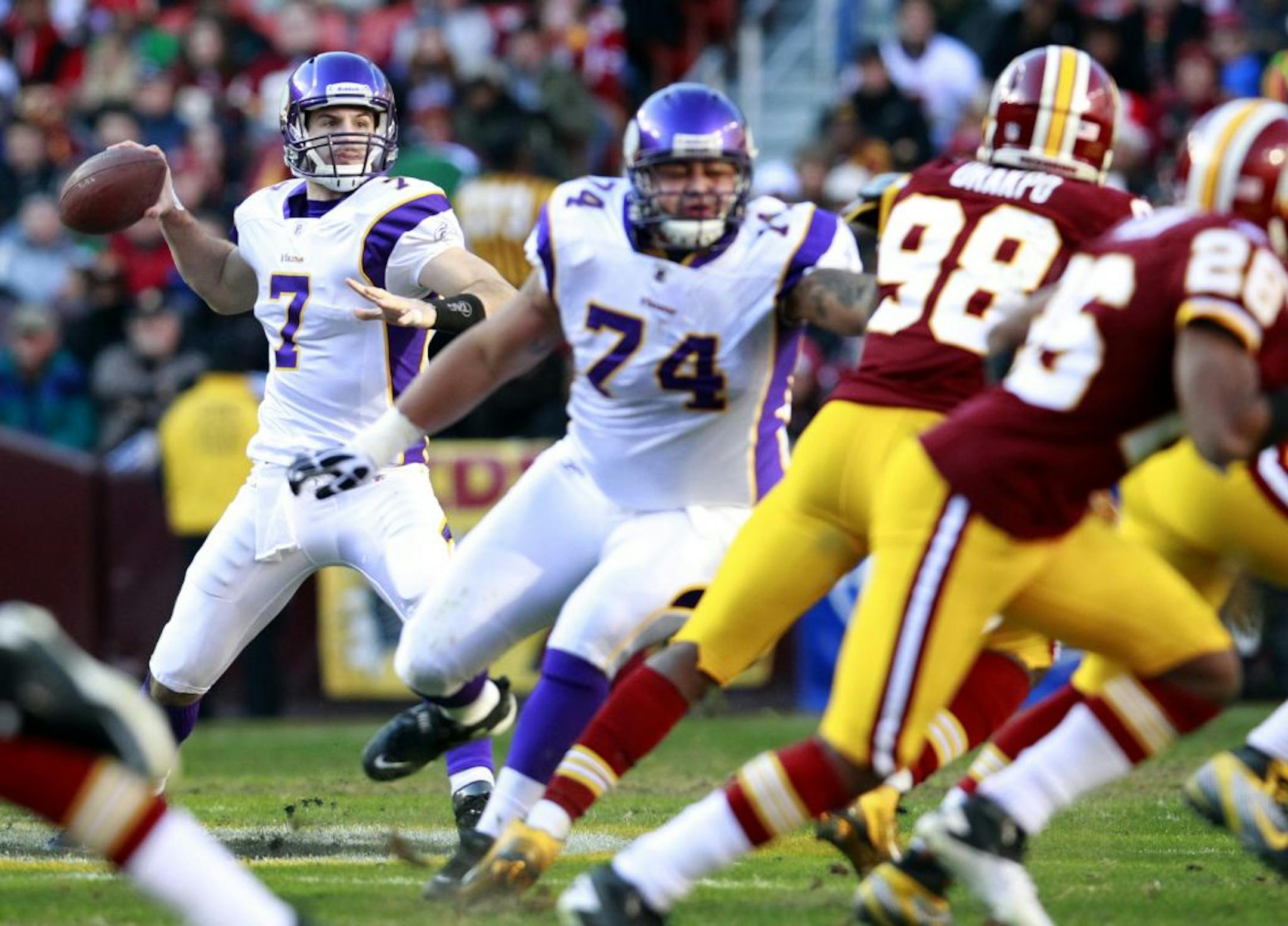
There seems to be a fraternity among quarterbacks who played at a significant level of competition. This has to be based on the fact that they are playing the most difficult position to master in sports.
Anyone unwilling to accept that theory should figure out a way to stand behind the opposite end zone as a quarterback attempts to advance his team down the field. What appear to be missed receivers from the press box and the stands becomes a chaos of colors and bodies when seeing the field horizontally, as does a quarterback.
I was behind the end zone at Cleveland's Municipal Stadium on Jan. 11, 1987, when John Elway and the Denver Broncos took possession at the 2-yard line with 5 minutes remaining and trailing the Browns 20-13 in the AFC title game.
As the Broncos made their journey into the winds of Lake Erie, the reporters watched the six completions for 78 yards and kept wondering, "How did Elway find that guy?"
Eventually, the Broncos tied it on a touchdown with 37 seconds remaining, and won it on an overtime field goal 23-20, and Elway's masterpiece remains "The Drive" in pro football lore.
To me, that's what carries the greatest level of mystery in what quarterback will be a clear success in the NFL, and a quarterback that stays stuck in mediocrity.
Strength of arm and body and mobility are great assets, but if you are slow to recognize that an opening is about to occur amid the chaos of colors, you don't have a chance to be the long-term answer at quarterback for a contending NFL team.
And "slow" in this context means a half-second late (or less).


