0:57
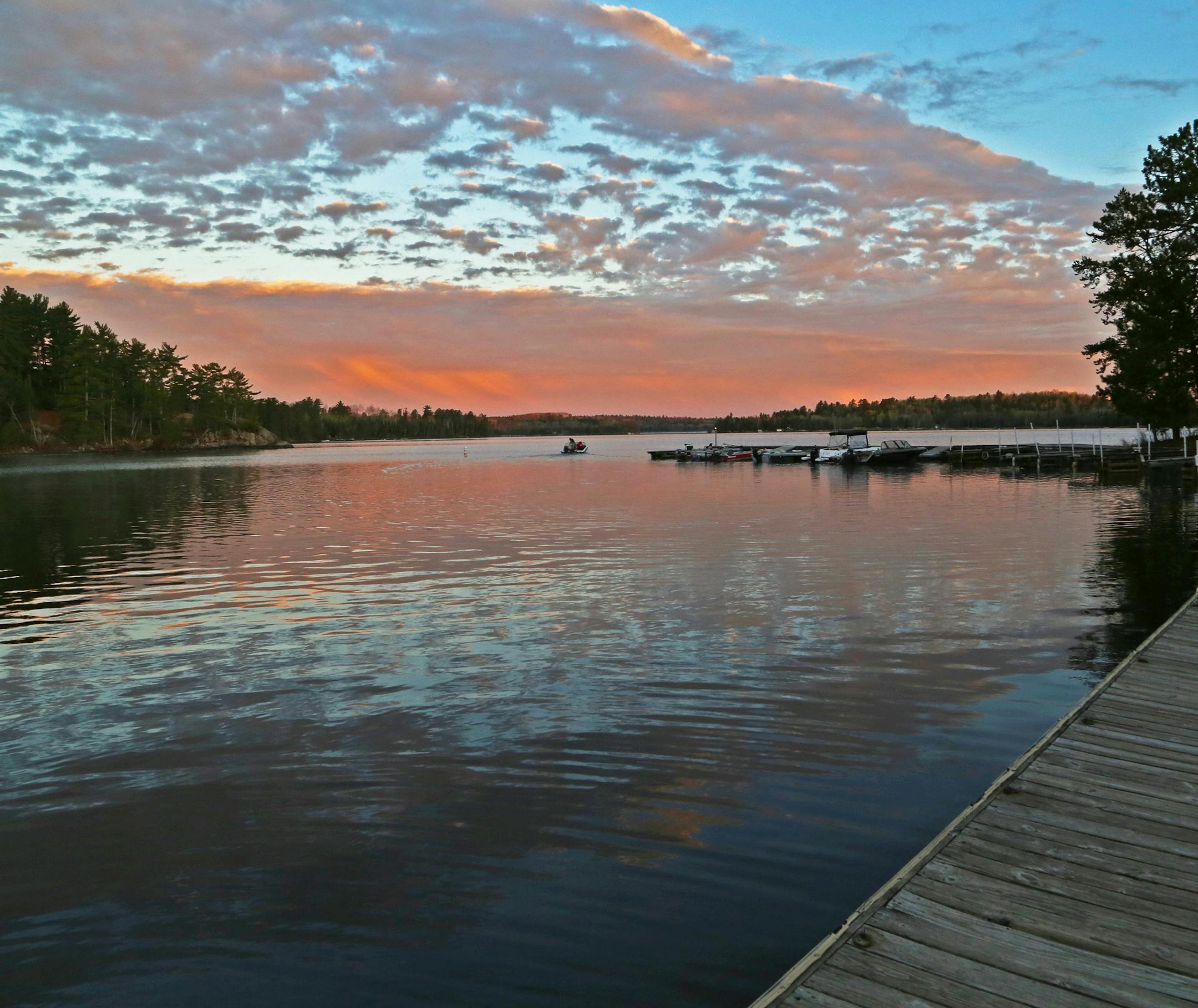
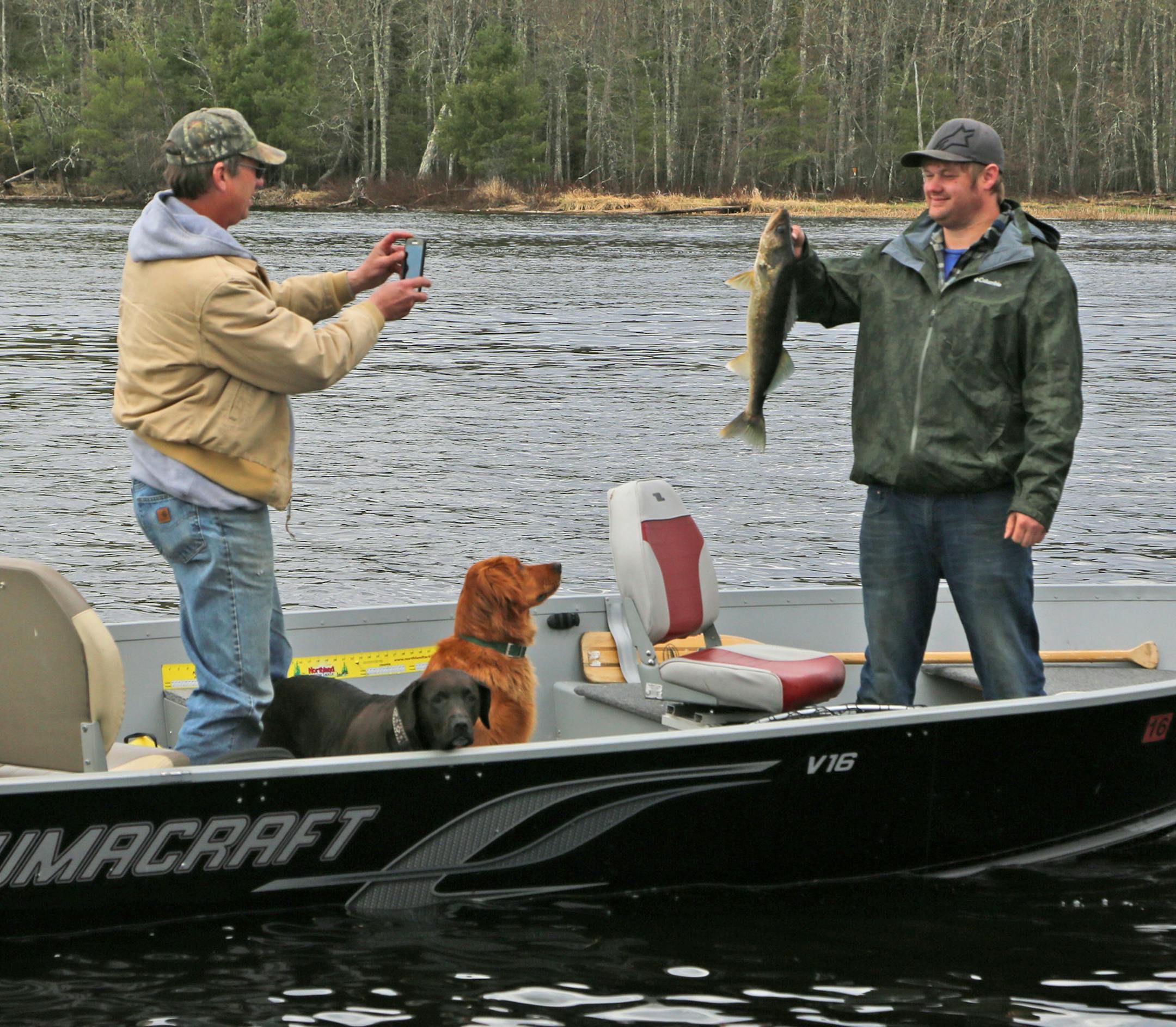
0:57CRANE LAKE – Here on the border between Minnesota and Ontario, Saturday morning broke with all the promise a day could muster. The temperature as the advancing sun bled crimson across the eastern horizon was in the 30s, so this was not summer. Instead it was summer's precursor, the fishing opener, and John Weyrauch, his wife, Jodi, and I bore the optimism of saints as we clambered into my boat and motored quietly onto this big, glass-flat lake.
We had begun the season here before, but not for a long while under conditions that seemed so uniquely constructed for spring walleye fishing. The ice had gone out early, as it did statewide, and the lake's fish were long shod of their spawning duties. Walleyes were probably more scattered than they might be in a more average spring. But they were as likely to be out of their post-spawn funks and ready to eat.
Or so we hoped.
"Let's run up the lake a little and see what we can find,'' I said.
Also in our group were Steve Vilks of Naples, Fla., and Joe Hermes of Minneapolis. They had left the dock just ahead of us, and were advancing on the Gorge, a popular Crane Lake opening-day walleye hot spot.
Featuring turbid water and swirling currents, the Gorge is the spillway of the Vermilion River as it empties into Crane Lake, and from there conflates with Namakan Lake, Lake Kabetogema, Rainy Lake, Lake of the Woods and, ultimately, Hudson Bay.
Easy as it is to pop a boat on plane and venture forth on these vast interconnected waters as if they were being seen for the first time, history demands a more attentive view.
The Ojibwe were among the region's first inhabitants, then the French voyageurs and later the loggers with their double-bladed axes and horse-drawn sleighs. Because so many who lived in this country also died here and their souls are part of these waters and these lands, on mornings like the one that broke Saturday, acknowledgment of their presence, if only tacit, seemed right.