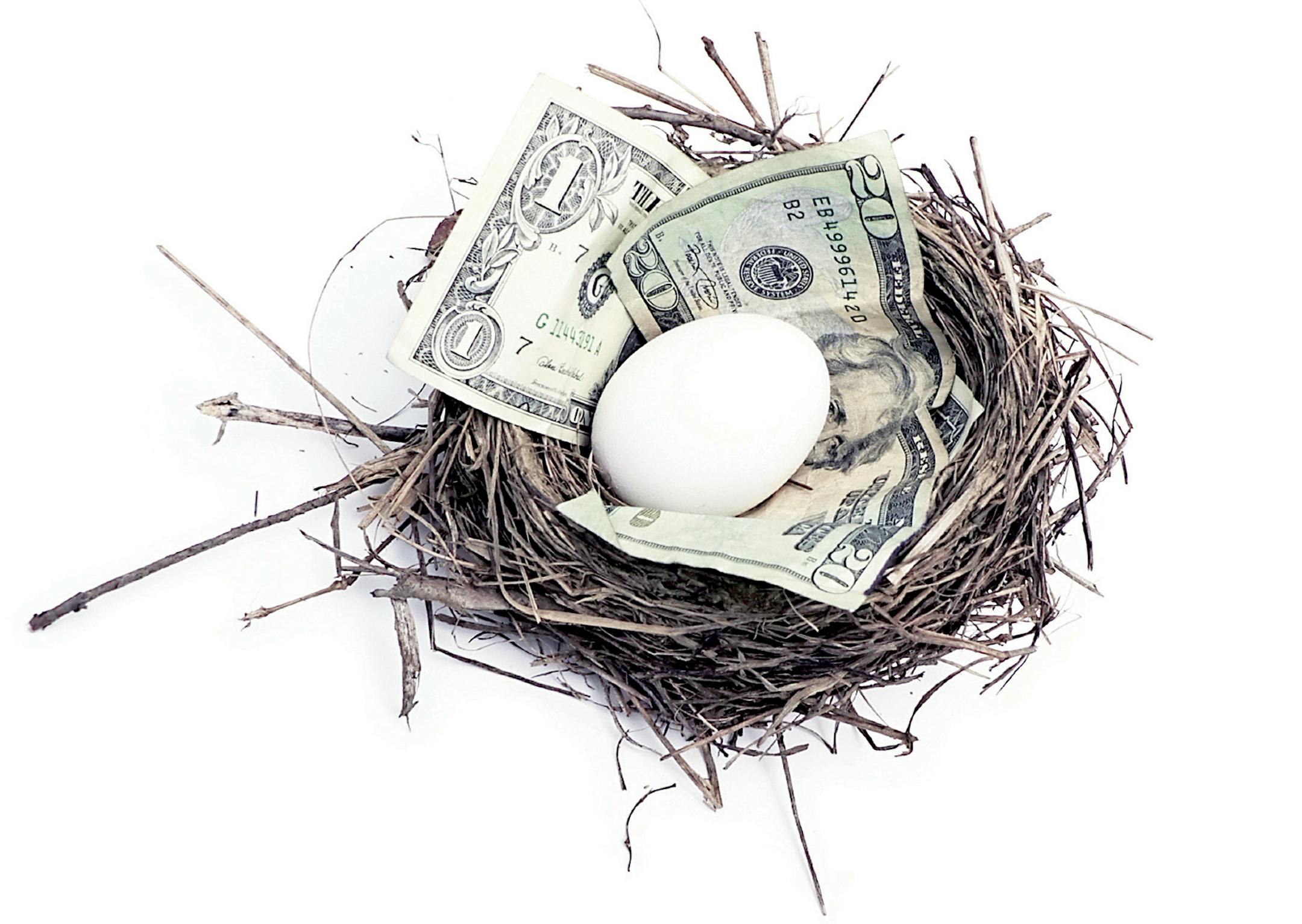
For Gayle and Jerry Dustrud, retirement meant buying a high-rise condo in downtown Minneapolis. Enjoying a three-week trip to China. Seeing shows at Orchestra Hall.
Suddenly, it might mean taking part-time jobs.
"I thought that we were pretty well set," said Gayle, 61, a former elementary school teacher who, when she retired in 2000, never dreamed she would reenter the workforce. "We had been pretty careful about planning. Now, we're concerned."
The Dustruds' nest egg, which for years had delivered steady, 5 percent bumps, has dropped as dramatically as the rest of the nation's.
The long stock market fall has wiped out $2 trillion in Americans' collective retirement savings -- down about 20 percent in value from the middle of last year.
Folks on the streets of downtown Minneapolis confirmed the effects experts had predicted. Baby boomers once on the brink of retirement now expect to continue working longer. Retirees are struggling to figure out how they'll last on what's left. And people of all ages -- already feeling the effects of rising costs and declining home values -- are just plain worried.
"It feels like the first days after 9/11, when everything was kind of eerie," said Karen Mendenhall, 59, a legal secretary. "You don't know what to do. You've been counting on this money. You've been putting it into a 401(k) and watching it increase over the years, and suddenly half of it's wiped out. It's scary."
The majority of the $2 trillion estimate, which the Congressional Budget Office delivered to lawmakers Tuesday, comes from 401(k) plans, or defined-contribution plans, in which employees save and invest a piece of every paycheck in individual accounts.