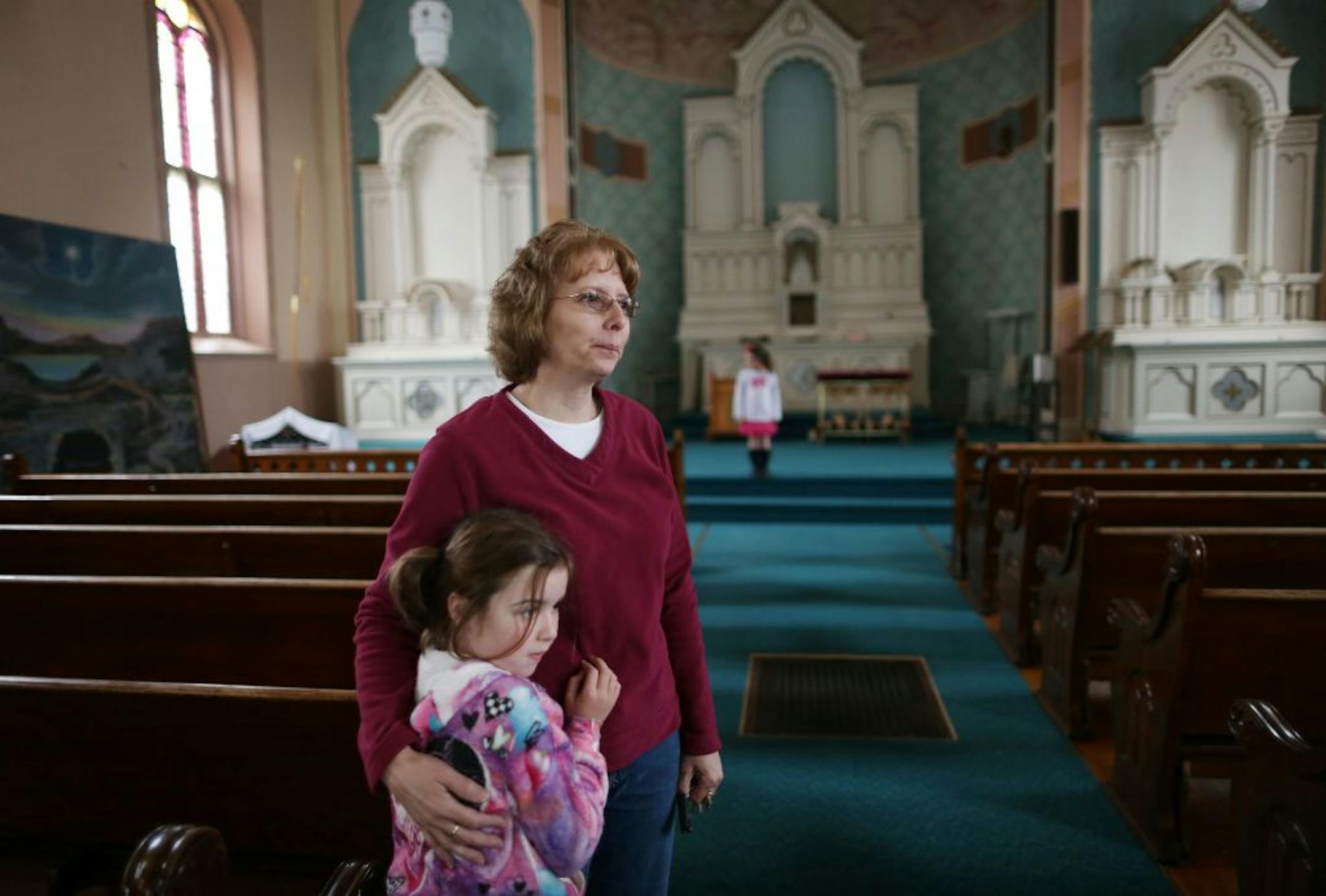
Diane Weckman still chokes up when she walks into the emptiness of St. Benedict's Church."For so long, it was like going back to the scene of a death," said Weckman, who attended the Catholic church in New Prague for almost 23 years before it closed last year. "There's virtually nothing left, other than the pews. All the religious articles are gone."
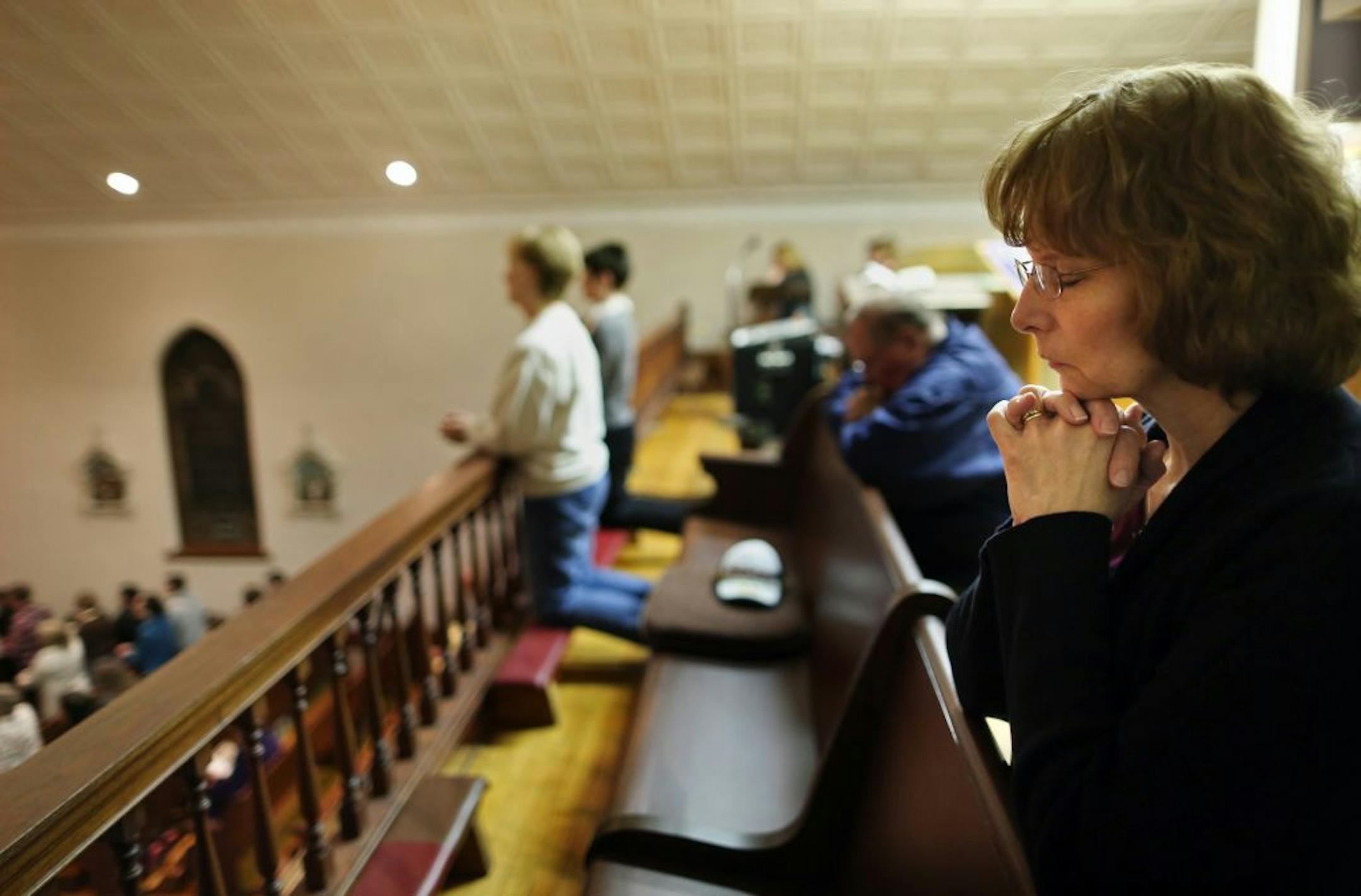
This Sunday marks the first Easter for many Catholics whose parishes were forced to merge in the St. Paul and Minneapolis Archdiocese's major reorganization. While painful aftershocks continue, parishioners like Weckman are moving past their grief to embrace the new life of their merged parishes.
"It's just God setting us on a new path," Weckman said. "You can't change it. So make the best of it. Because wonderful things can come from it."
Thousands of area Catholics are coping with the largest reorganization in the archdiocese's 160-year history, a downsizing forced by tighter budgets, shifting demographics and a projected shortage of priests. In dense urban neighborhoods and sparse outlying areas, 21 parishes are merging into 14 "receiving" parishes; there will be 191 parishes when it's all done.
Weckman's former church is part of the biggest piece of the reorganization. St. Benedict's, along with nearby parishes St. John the Evangelist in Union Hill, St. Joseph's in Lexington and St. Scholastica's in Heidelberg, all merged into St. Wenceslaus' in New Prague, 45 miles southwest of Minneapolis. St. John and St. Scholastica remain open. St. Joseph was sold for $1 and is now a museum. St. Benedict's sits for sale on a gravel road next to a pig farm.
Hard to say goodbye
At St. Benedict's, Weckman served on the finance council, helped manage the church and sang in the choir. Her three children were confirmed there.
When parishioners got word that the church would close, it wasn't a big surprise. Their parish priest had been preparing them for such a possibility. Upkeep on the crumbling 1880s brick church, which does not have a restroom or handicapped access, was a drain on finances. Older parishioners were dying and young families were not replacing them. Weckman's own children had moved on and did not attend the church. The congregation had dwindled to about 110 members.