2:18
2:18Thursday's flip of the calendar from April to May doesn't promise any dramatic break in the dreary weather that's plagued the Upper Midwest recently.
After the second-wettest April on record in both the Twin Cities and La Crosse, Wis., the forecast is calling for rain through Saturday, but with diminishing chances. Sunday's forecast for the Twin Cities: serious squinting, due to sunshine and a high in the upper 50s.
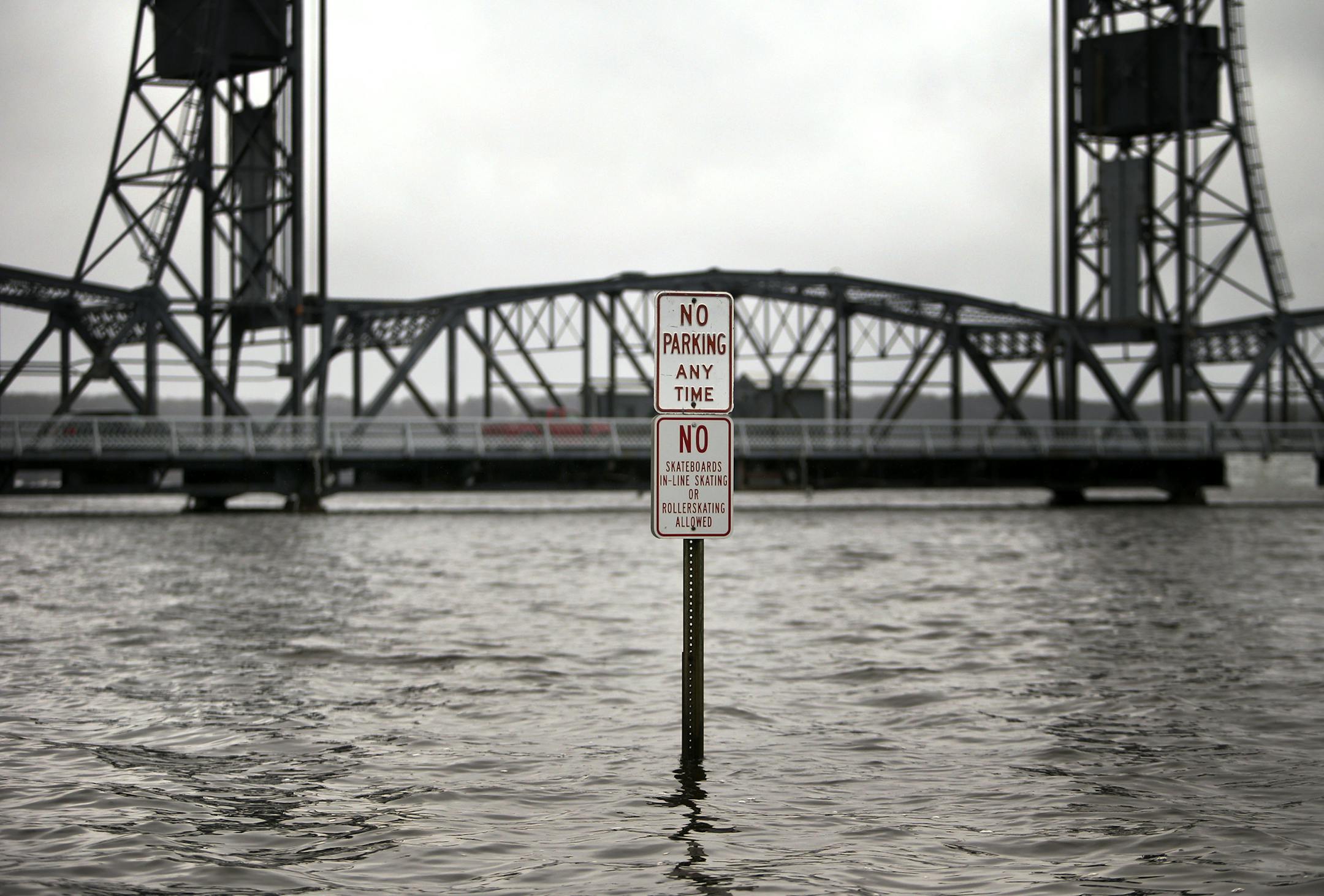
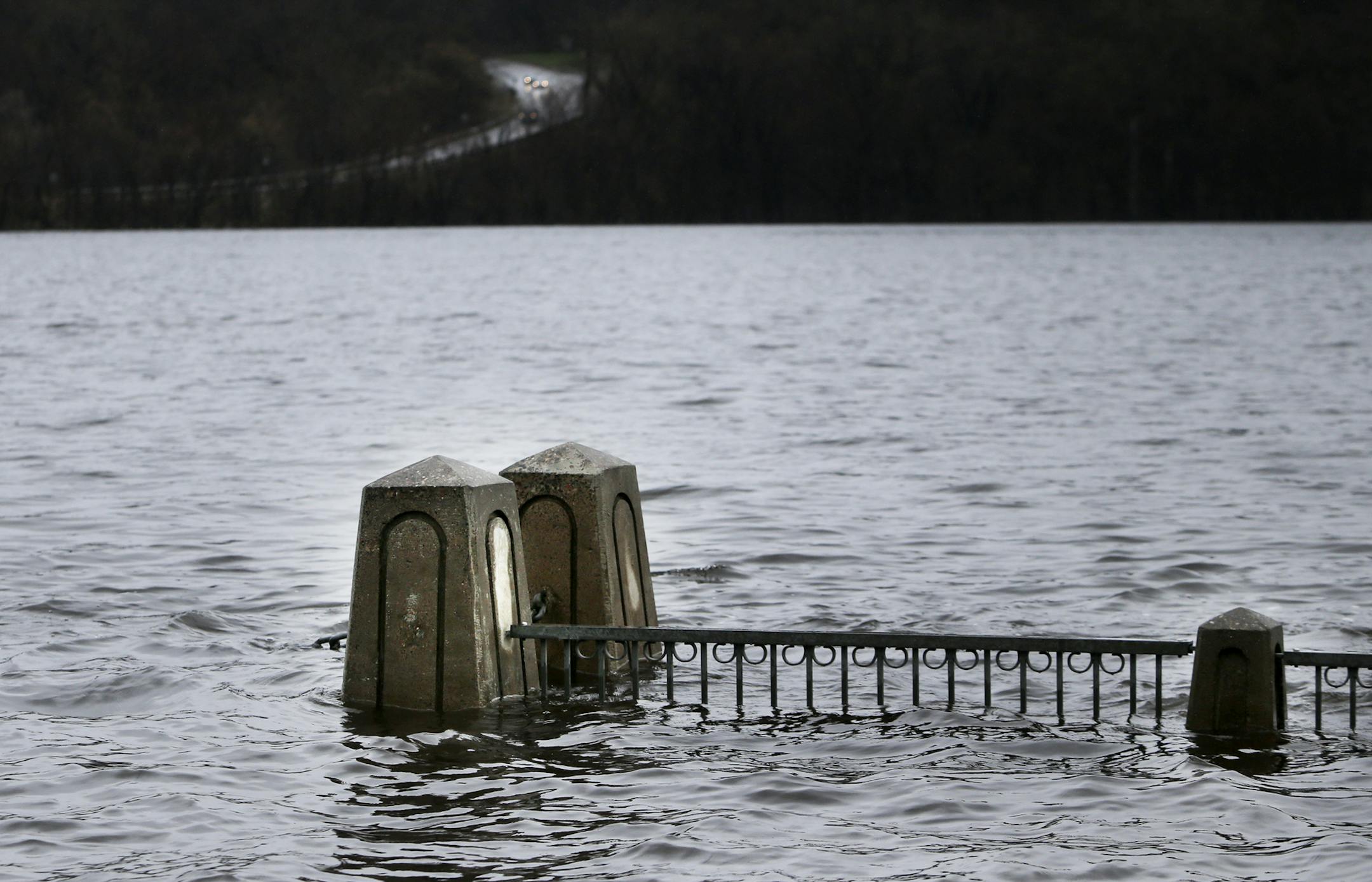
This week's rainfall has swollen the Mississippi and St. Croix rivers so much that officials are restricting commercial and recreational navigation, and they are also telling anglers in a specific area to slow down in their boats this weekend.
Boaters targeting a stretch of the St. Croix River for the start of the border fishing opener this weekend will encounter a mandatory no-wake zone between Taylors Falls and Prescott, Wis. That means boaters must travel at the slowest possible speed to maintain steerage but no faster than 5 miles per hour.
The restriction's aim is to reduce shoreline erosion and resulting property damage in areas not usually susceptible to wave action at lower water levels. Signs at public accesses alerting boaters to the requirement are being posted, and marina operators in the area have been notified.
The no-wake rule will remain in effect until the water level again falls below the 683 feet above sea level at Stillwater. It rose above that Monday; Wednesday at 3 p.m. it was at 684.5 and heading for a crest of 685.5 Saturday. The National Weather Service did not indicate Wednesday when it might drop back to 683.
Boat and water safety officials at the Minnesota Department of Natural Resources also pointed out Wednesday that swollen and fast-running rivers often contain debris just below the surface that can present significant hazards to watercraft.
Also Wednesday, the three locks operating in the Twin Cities along the Mississippi River were closed to commercial vessels because of the river's strong flow. The ban on recreational boaters using the locks began Sunday. The flow at Lower St. Anthony Falls jumped from 26,000 cubic feet per second Sunday to 40,000 Wednesday.