

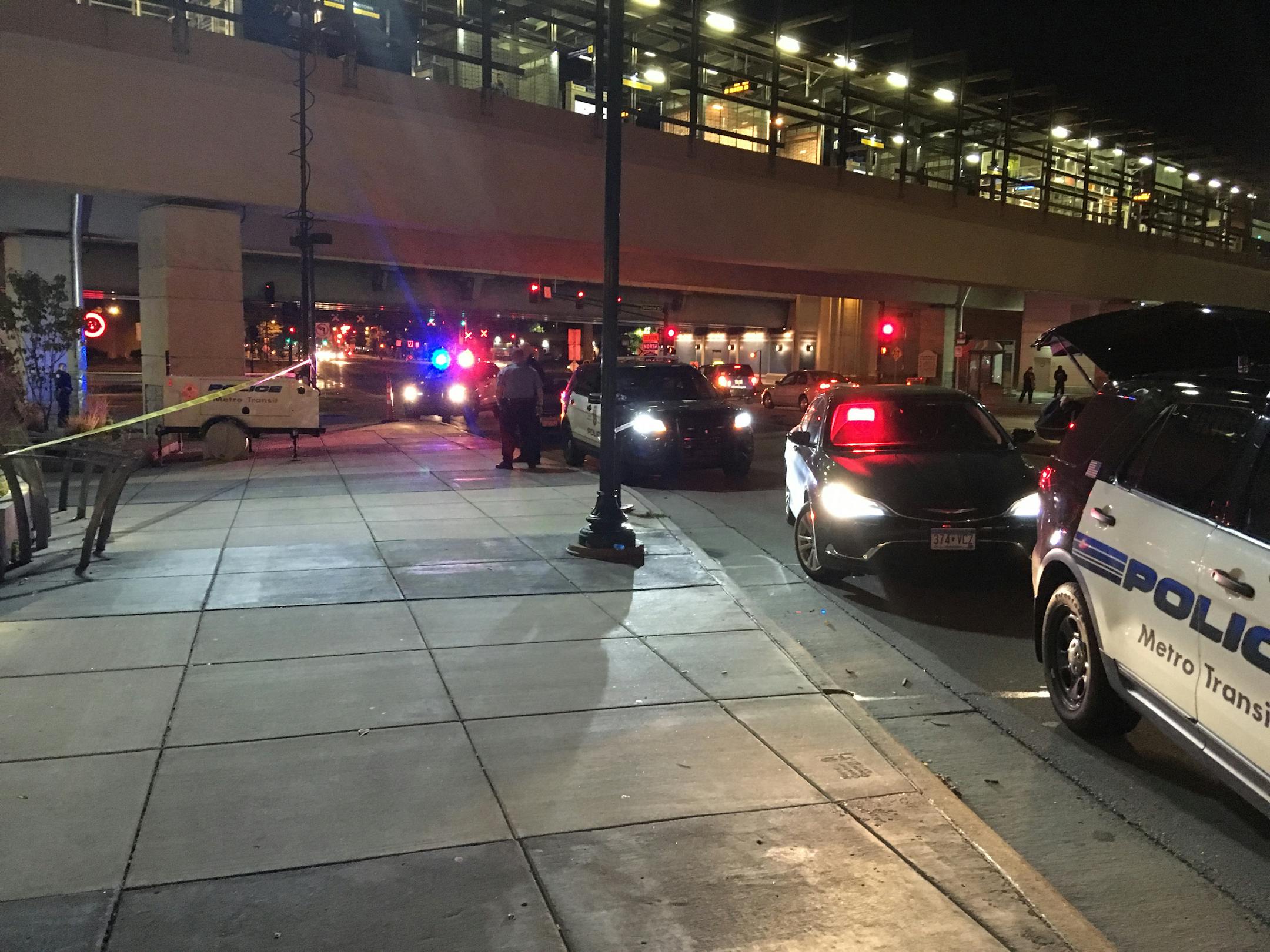
Minneapolis police officers have been slower to arrive to emergencies so far this year, continuing a trend that some city officials say is a downside of community-style policing.
Between July and September, the department's average reported response times for the most urgent 911 calls — "unstable scenes" with an imminent threat to life or property — were 10 minutes, 45 seconds, Minneapolis Police Department figures show. That's 42 seconds longer than the same period last year and continues a steady lengthening of response times over the past four years.
Callers who reported situations without an immediate threat of harm, dubbed "Priority 2," had to wait an average 36 minutes, 47 seconds to see a squad. That's up from 34 minutes, 26 seconds during the same span in 2016.
Sgt. Catherine Michal, a police spokeswoman, said that officers are being asked to spend more time at crime scenes or in some cases are getting stuck in traffic jams around ongoing construction around the city.
"They're also on a call longer, they're gathering more evidence, they're trying to do a better job," Michal said this week.
Under former Chief Janeé Harteau, she added, new officers were required to spend the first six months of their careers walking a beat, only responding to certain 911 calls.
Response times varied by precinct. As in the past, the fastest times were in downtown, where officers took an average of 9 minutes, 51 seconds to respond to Priority 1 calls. The slowest were in southwest Minneapolis with an average response time of 11 minutes, 28 seconds, edging out the Third Precinct, which again fielded the most calls for service.
Officials cautioned against reading too much into the time lags in certain precincts without knowing more about the nature of the emergencies. Others argued that response times are an outdated measure of police performance, particularly at a time when the city's officers are encouraged to spend more time out of their squad cars and get to know the communities they patrol.


