

Somewhere along the road that leads from George Washington to Joe Biden, everything about the way we Americans view our presidents changed. When that change happened, exactly, probably lies in the eyes of the beholder. Whether it's a loss we should regret is open to debate.
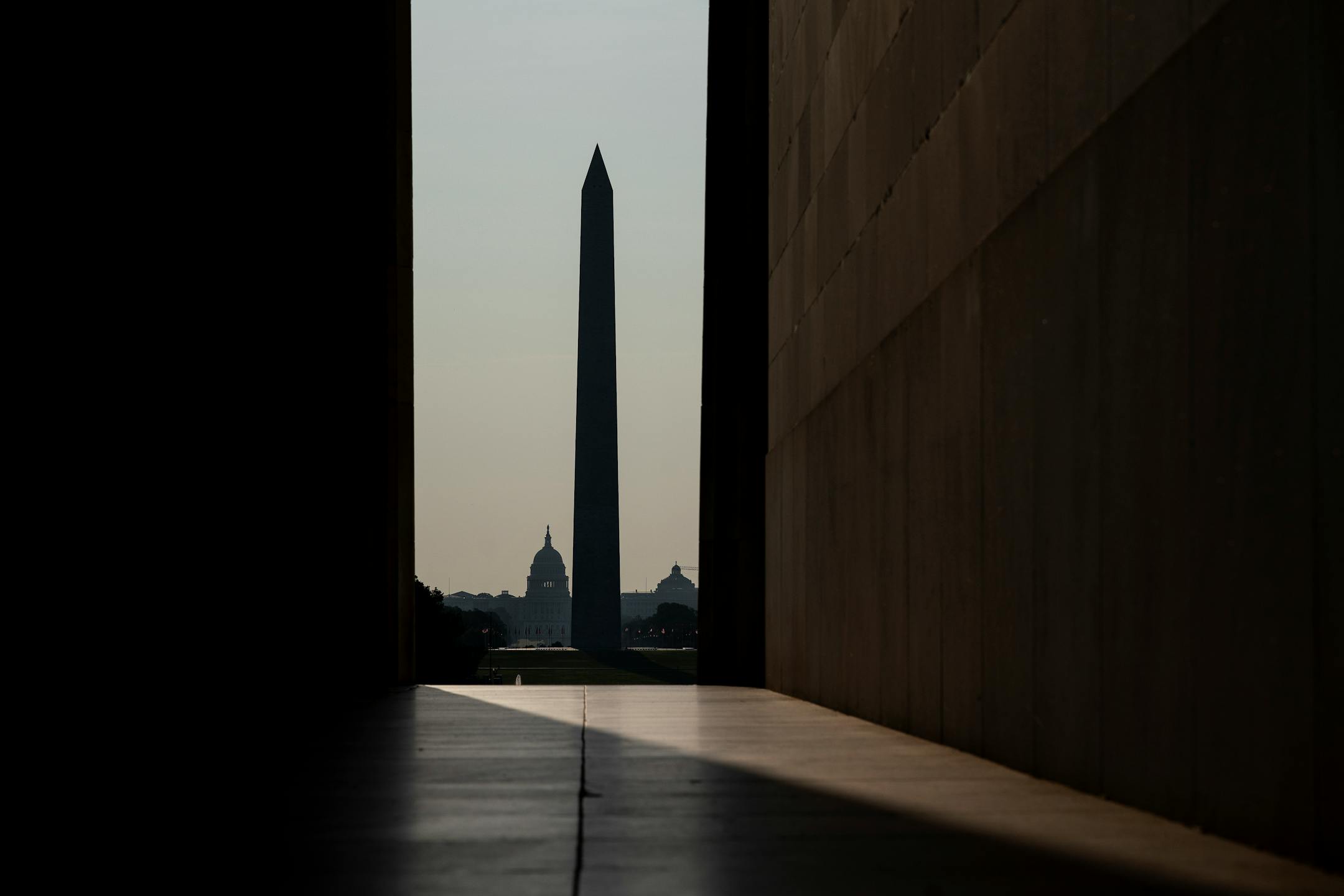
It's a safe bet that we've seen the last of the old-style veneration of presidents. Biden's face will never gaze down from a sculpted mountain. No obelisk like the Washington Monument waits to honor the memory of Donald Trump — unless, as seems conceivable, he builds it himself.
Even those presidents whose likenesses have been carved in stone don't get the permanent reverence that such treatment implies. Two of the four represented on Mount Rushmore, Washington and Thomas Jefferson, have taken hits to their reputations because they held human beings in slavery.
The holiday we observe Monday, known to advertisers as Presidents' Day, is designated in Minnesota law as Washington's and Lincoln's Birthday. Both men had flaws, and detractors in their time, but each led our country through pivotal moments in history. In return, they have been accorded mythic status: Washington as the Father of His Country, and Lincoln as the Great Emancipator, with cherry-tree chopping and rail-splitting thrown in for good measure.
In 1968, the Uniform Monday Holiday Act codified the third Monday in February as the day to observe Washington's Birthday, thereby focusing the country's attention on the benefits of three-day weekends. Unfortunately, it also means that people will forget that Washington's birthday actually falls on Feb. 22.
Maybe it's just as well. A long weekend, at least, is something we can all get behind.
The widespread use of the term "Presidents' Day" has given rise to the idea that the day honors all presidents, no matter who. (Bill Clinton added to the confusion with a Presidents' Day Proclamation in 2000.) Every president deserves respect. But it would be a mistake to honor all of them with a holiday. It undercuts the accountability we should demand of them. It blurs the distinction between the chief executive and the state.
"L'état, c'est moi" ("I am the state"), said King Louis XIV of France. Americans intuitively grasp the offensiveness of that notion. When Richard Nixon told interviewer David Frost, "When the president does it, that means that it is not illegal," he put himself on record as not getting it.


