

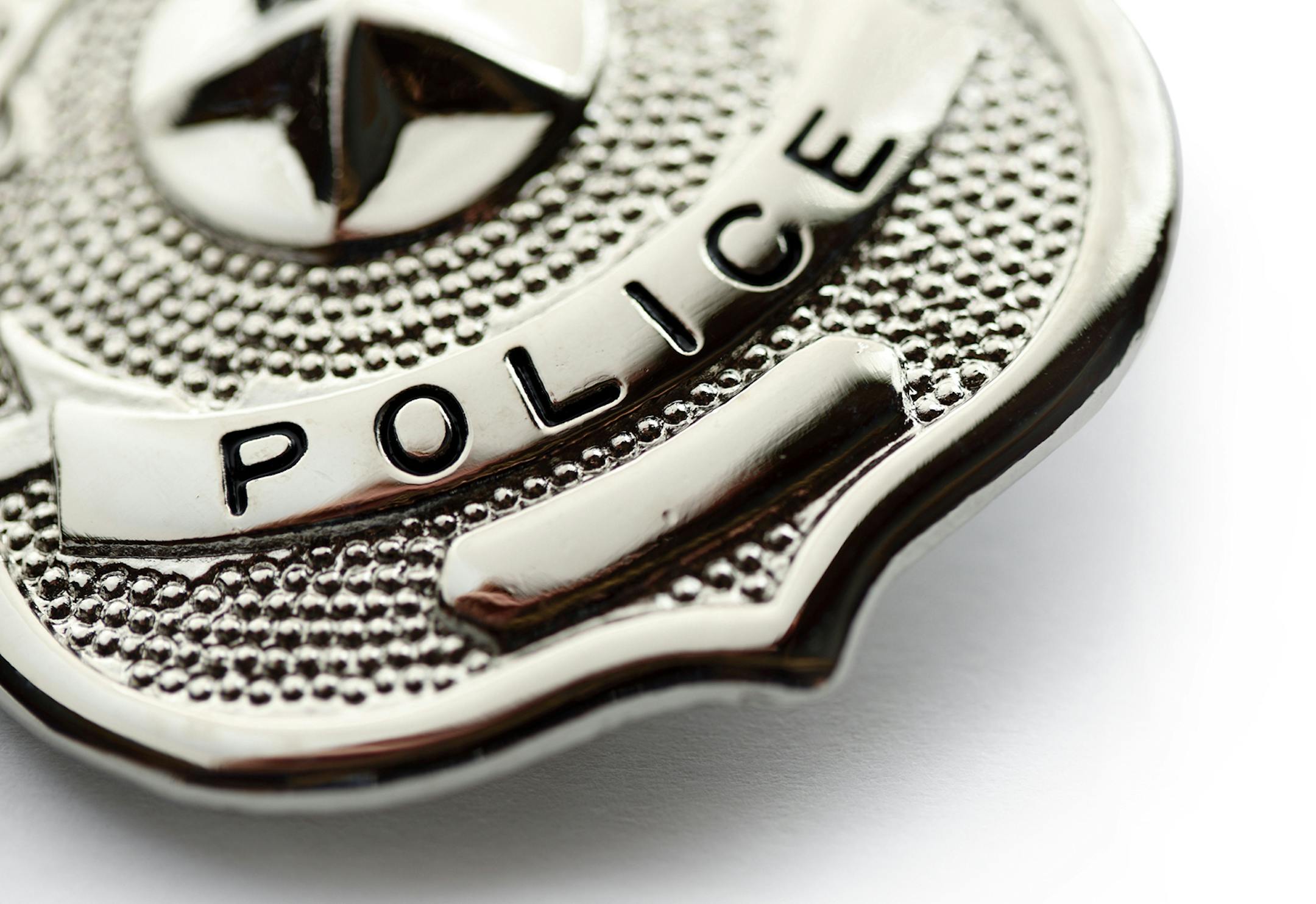
As a result of the decision not to indict the officer in Staten Island, the news has been rife with talk about wild, rogue, brutal, sadistic police who must be harnessed. I've heard it said: "How can a police officer who chokes someone to death for selling cigarettes fail to be indicted on a charge of homicide?"
Let me try to answer this question.
First of all, it was never the cop's intent to kill or even injure the suspect. That he died is tragic but we must have some perspective on this incident before we judge the police too harshly. Had the officer intended to choke the suspect to death he surely would have been indicted.
The police are dispatched to a variety of calls, and the circumstances are always different. The people they confront are different — all shapes, sizes, races, ages, cultures, personalities. Ultimately, some of the calls lead to an arrest.
Nobody wants to be arrested and it's common for people to resist. As a result of cops' training, most who resist arrest are easily controlled without injury to cop or arrestee. There is an ascending ladder of force police use, depending on the level of resistance. This is called the Use of Force Continuum.
Police are trained to respond to resistance using appropriate levels of force, based on the threat each resisting person poses. A small unarmed woman who pulls her hand away from an officer who starts to handcuff her should not expect to be struck with a nightstick. However, a man who towers over the officer attempting the arrest should expect a more forceful response — but not deadly force. It should come as no surprise that any suspect — man, woman or child — who threatens an officer with a gun has a very good chance of being shot.
Officers are not expected to go toe-to-toe in boxing matches with those who need to be arrested. They will use their tools in an effort to make an arrest using the least force necessary while avoiding being injured. The first step on the ladder is talking, usually in an attempt to de-escalate. This is a talent, sometimes natural, sometimes developed, and some officers are much better at it than others. The next step is hands on, followed by chemical irritants, nightstick, Taser and finally handgun.
Sometimes the steps up the ladder escalate very rapidly and the officer finds him or herself rolling on the ground with a suspect who would rather take a chance fighting the cop than going to jail. In this case the cop has to improvise. The Lateral Vascular Neck Restraint (LVNR) is a hands-on application that police use rather than using their nightstick, pepper spray or Taser. The LVNR appears to the untrained eye to be a choke hold. If the LVNR is applied properly it does not choke the arrestee at all; rather, it closes the blood flow on both sides of the neck causing unconsciousness in as little as 15 seconds. This gives the officer time to handcuff the suspect before he regains consciousness.


