
Advertisement

Report turns up from first doctor to treat Abraham Lincoln after shooting

There was a doctor in the house that fateful night in Washington, and a copy of his firsthand report recently was discovered.

Los Angeles Times
June 10, 2012 at 12:20AM
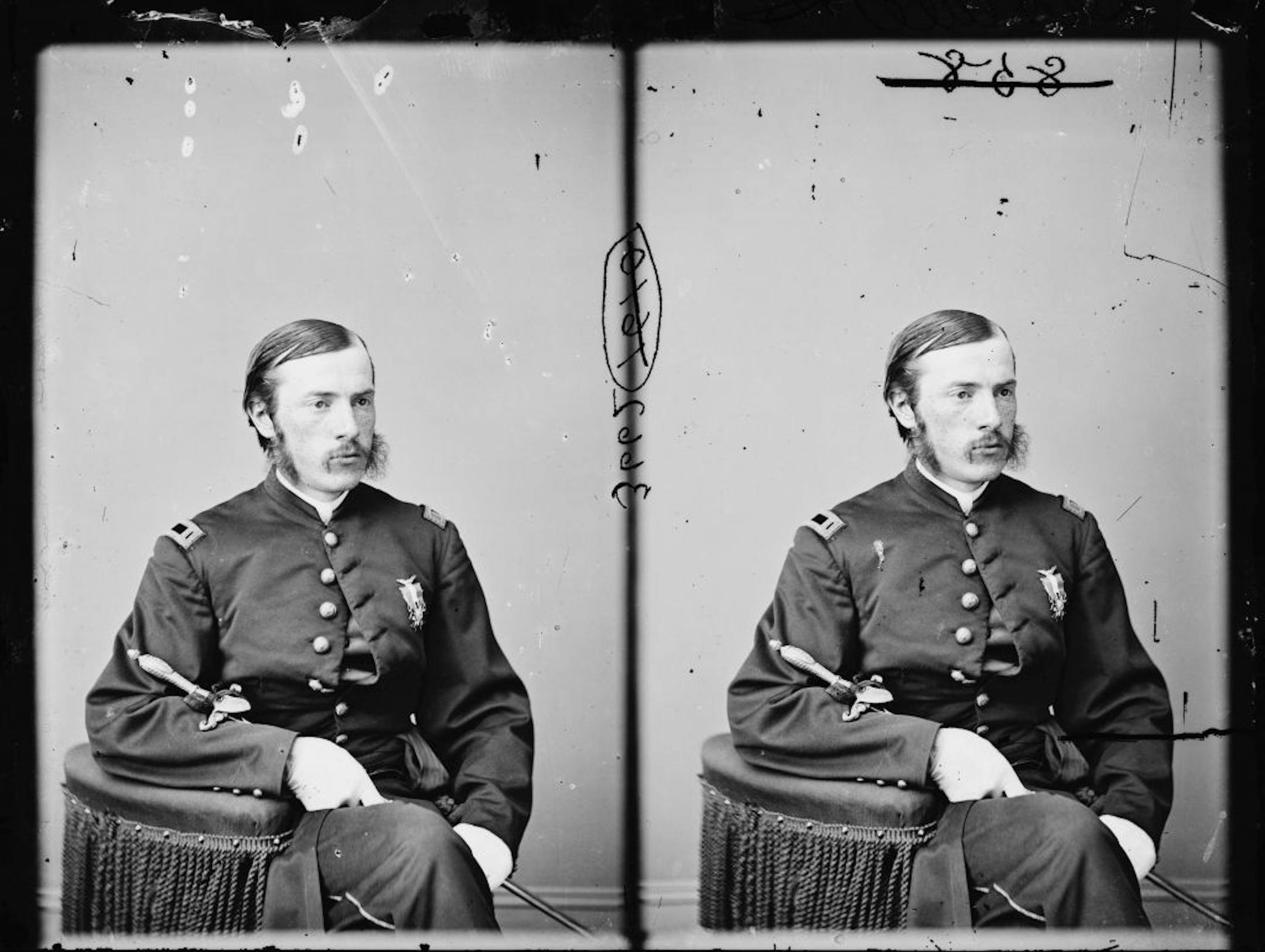
This undated photo provided by the Library of Congress shows Dr. Charles A. Leale, who was the first doctor to treat President Abraham Lincoln after he was shot at a Washington theater on the night of April 14, 1865. Now, 147 years later, a researcher with the Papers of Abraham Lincoln Project has discovered an original copy of Dr. Leale's clinical 21-page report from the night Lincoln was shot.
This undated photo provided by the Library of Congress shows Dr. Charles A. Leale, who was the first doctor to treat President Abraham Lincoln after he was shot at a Washington theater on the night of April 14, 1865. Now, 147 years later, a researcher with the Papers of Abraham Lincoln Project has discovered an original copy of Dr. Leale's clinical 21-page report from the night Lincoln was shot. (Associated Press - Ap/The Minnesota Star Tribune)
Advertisement

WASHINGTON - Charles A. Leale was in the theater watching the play "My American Cousin" when he heard a gunshot and saw a man leap to the stage.

At Ford's Theatre on April 14, 1865, Leale became the first doctor to reach the mortally wounded President Abraham Lincoln.

The Papers of Abraham Lincoln project announced last week it had discovered a copy of Leale's report from that night.

"I immediately ran to the Presidents box and as soon as the door was opened was admitted and introduced to Mrs. Lincoln when she exclaimed several times, 'O Doctor, do what you can for him, do what you can,'" the report says. "I told her we would do all that we possibly could."

The 21-page handwritten copy of Leale's report was discovered recently by researcher Helena Iles Papaioannou while she was poring through records at the National Archives. The Papers of Abraham Lincoln has been searching for documents written by or to Lincoln.

Leale's original report has never been found. The newly discovered report is a copy written by a clerk.

Although Leale had sent a version of his report in 1867 to a congressional committee that investigated the assassination, Daniel W. Stowell, director of the Papers of Abraham Lincoln, said the new find is significant.

"What's exciting about it is its immediacy and its lack of a sentimentality," Stowell said in an interview. "It's a very clinical report. "Yet you get the sense of the helplessness of the doctors."
Advertisement

After finding the document, Papaioannou said, "we started looking online, and it was then that we realized that this report, quite likely [was written] immediately after Lincoln was shot in 1865, was a new find."

Leale, who was 23, described sitting about 40 feet from the president's box, hearing a gunshot, seeing John Wilkes Booth leap to the stage and hearing cries that the "president had been murdered," followed by shouts of "Kill the murderer."

He described examining Lincoln, moving the president to a boarding house across the street and remaining there with other doctors until Lincoln died the next morning.

"We placed the President in bed in a diagonal position; as the bed was too short," the report says.

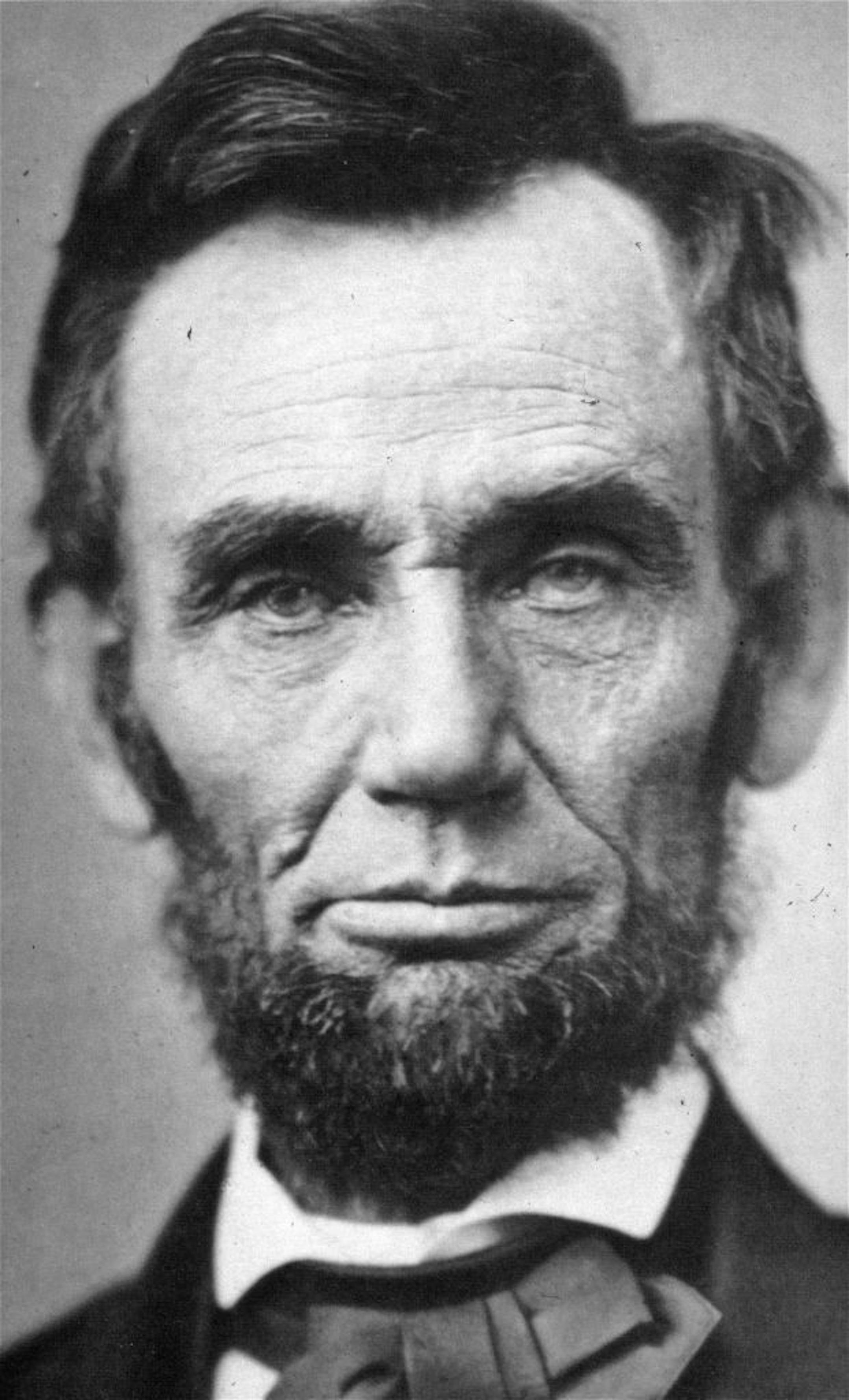
FILE - This Nov. 8, 1863 file photo shows President Abraham Lincoln. More than 147 years after his death, a researcher for the Papers of Abraham Lincoln Project, discovered an original copy of the 21-page clinical report by Dr. Charles Leale, who was the first doctor to treat Lincoln after he was shot at a Washington theater on the night of April 14, 1865.
FILE - This Nov. 8, 1863 file photo shows President Abraham Lincoln. More than 147 years after his death, a researcher for the Papers of Abraham Lincoln Project, discovered an original copy of the 21-page clinical report by Dr. Charles Leale, who was the first doctor to treat Lincoln after he was shot at a Washington theater on the night of April 14, 1865. (Associated Press - Ap/The Minnesota Star Tribune)
about the writer

about the writer

RICHARD SIMON

Advertisement