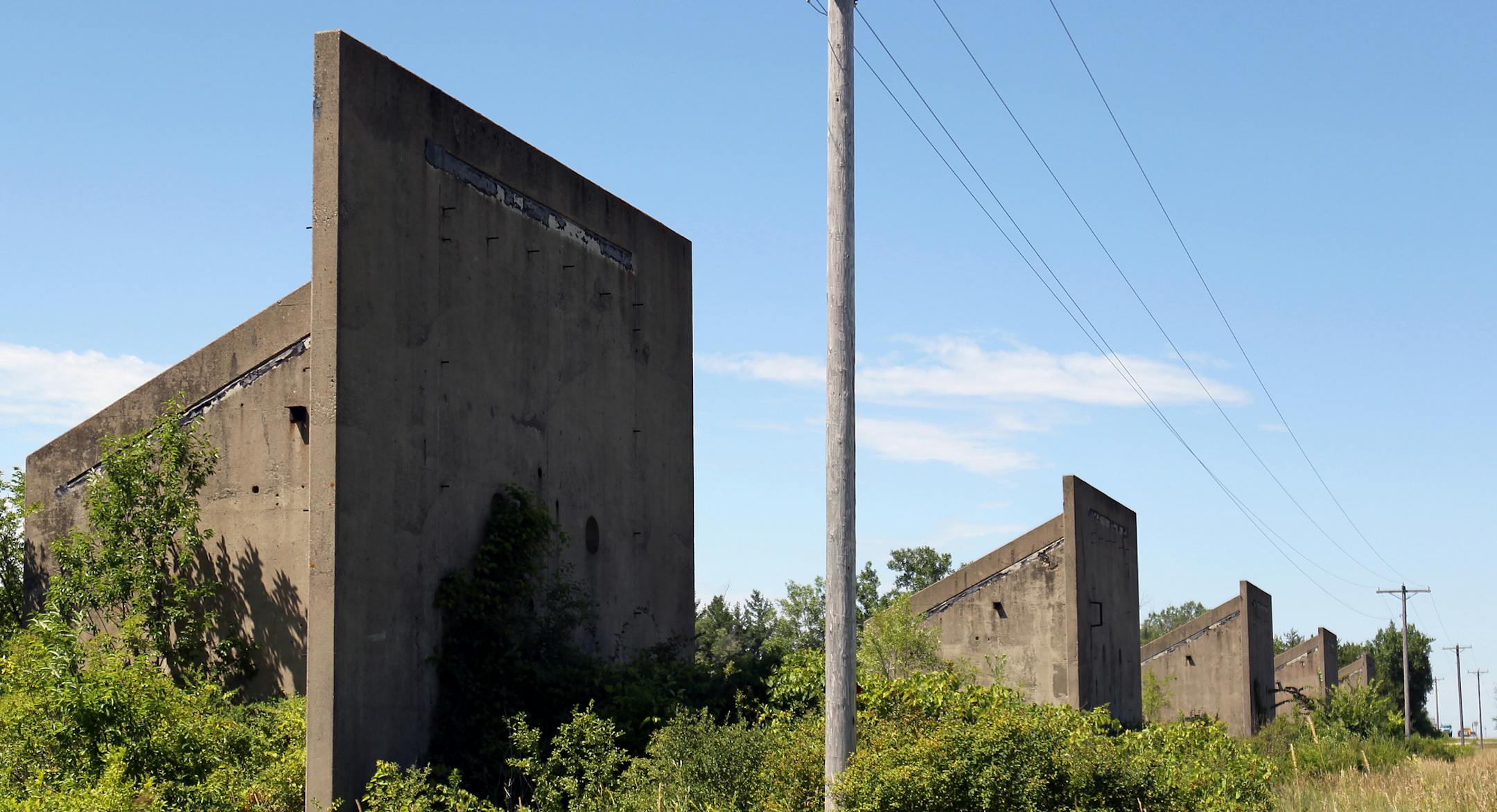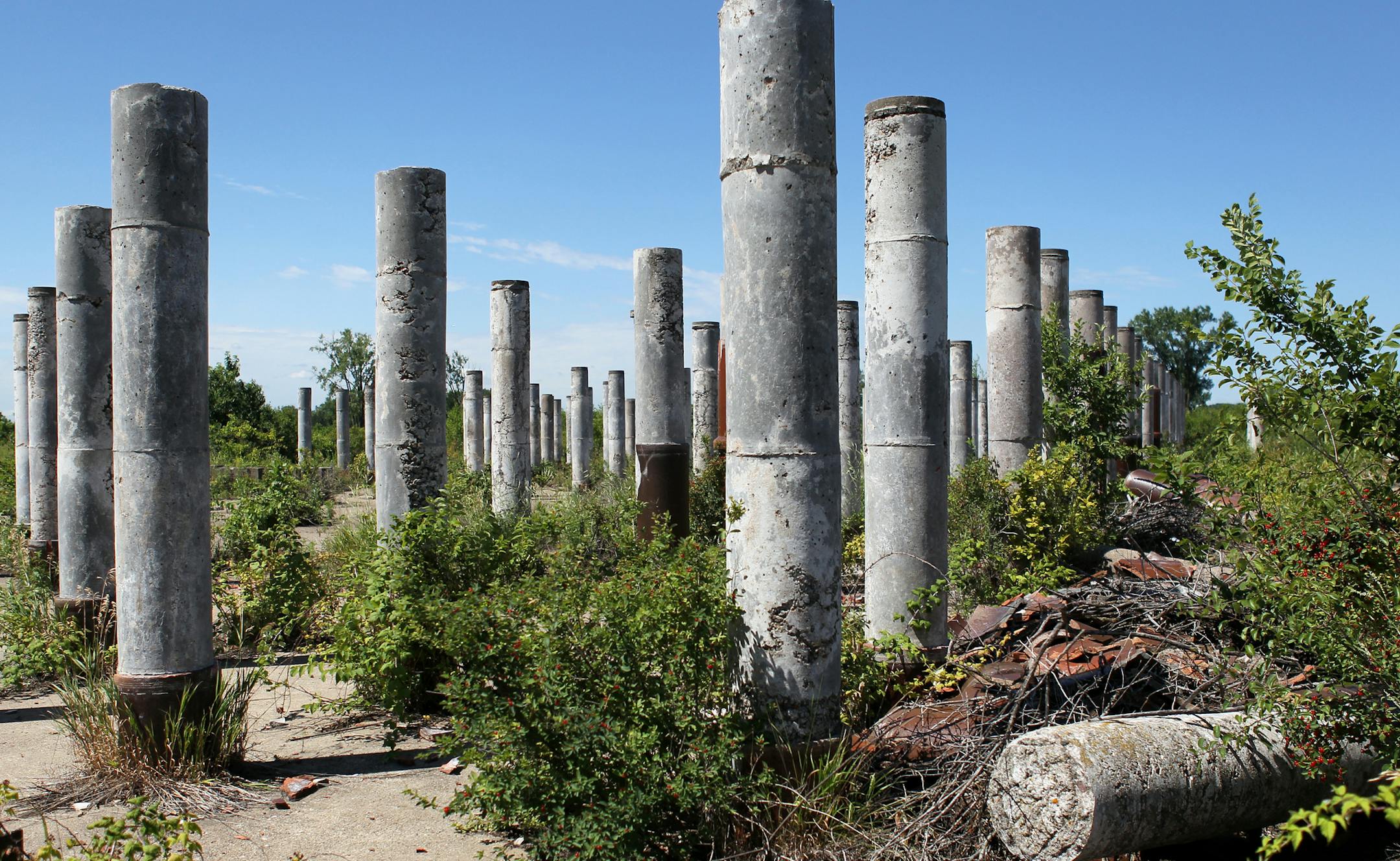
Contamination in the soil of a University of Minnesota-owned property in Rosemount doesn't appear to be putting drinking water at risk — but plenty of other hazards on the site are in need of attention.
Those are among the key findings of a report released Monday by the Minnesota Department of Health on the site once occupied by Gopher Ordnance Works, a World War II-era gunpowder plant.
The department now is seeking public comment on its assessment, which reviewed the results of decades of investigations into the site's environmental health — and its potential as a home of new development.
Health officials who reviewed studies of the Dakota County property, now known as UMore Park and Vermillion Highlands, said the biggest risks on the 5,000-acre property are hazards like crumbling building foundations and debris. They noted that the land is not surrounded by a fence, and it appears people have trespassed onto the property.
The researchers noted that soil on some sections of the property does contain known contaminants, including lead, which could put workers at risk. They didn't find broader contamination that could leak into drinking water systems but said more research is needed.
University officials said they cooperated with the Health Department on the assessment and knew that the results would show on-site contamination.
"That has been factored into any thoughts we've had about future development on the site," said Pamela Wheelock, vice president of university services.
Wheelock said the university will follow remediation plans developed to fix the hazards in areas planned for development.