

House Republicans' major tax legislation was released today, and, as promised, it offers up at least $2 billion in tax cuts to a range of Minnesotans, from income tax filers to Social Security recipients, military veterans to people with college debt, businesses and a plethora of other groups.
A summary of the bill can be found here.
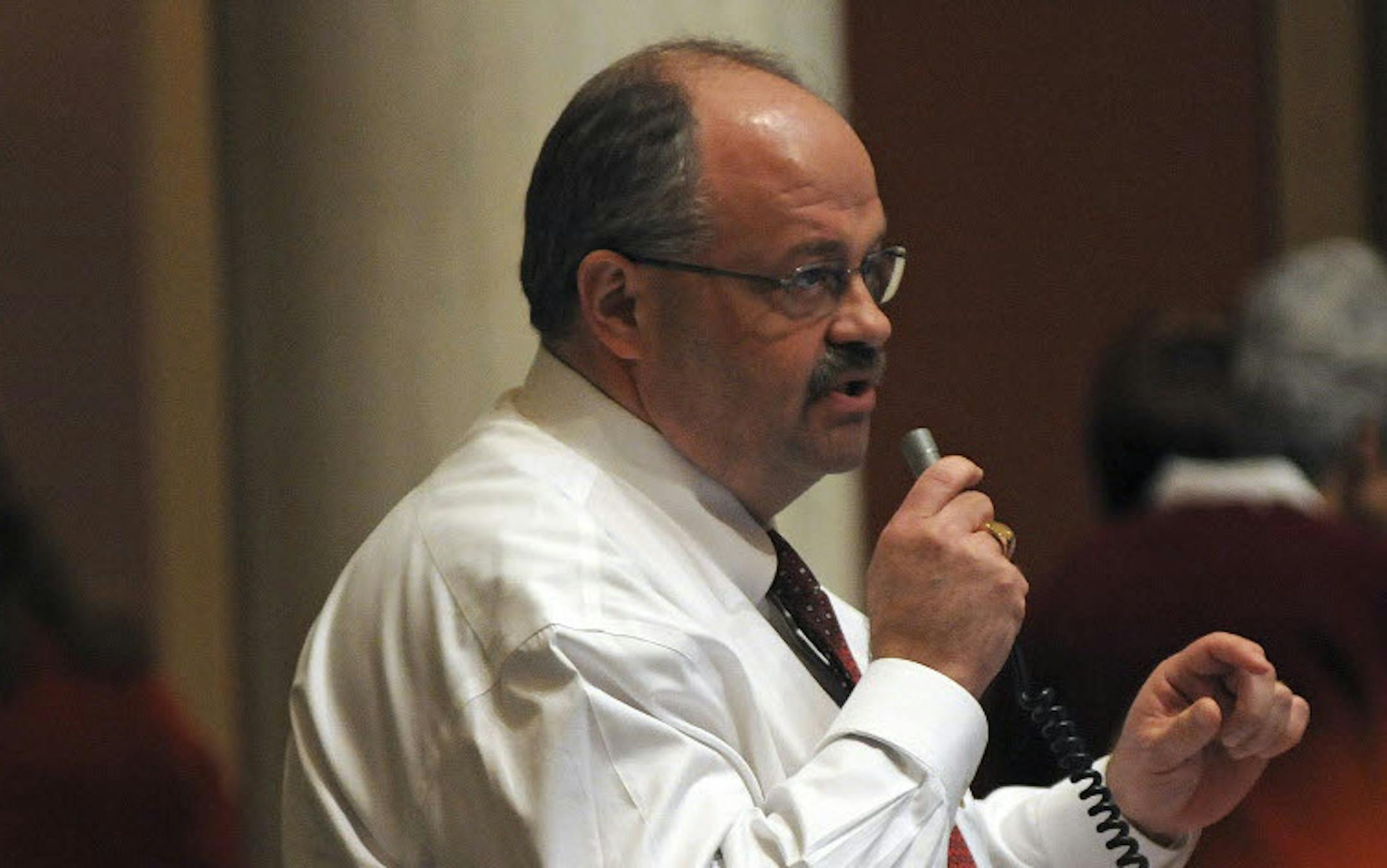
"The overall direction is tax relief to middle-class Minnesotans. It's about helping seniors, military veterans, farmers and students," said Rep. Greg Davids, chairman of the House Taxes Committee and a Republican from Preston. Republicans will hold a news conference to discuss their plan Monday, and the House Taxes Committee will hold hearings on the Davids bill all week.
The GOP tax plan will face stiff resistance from DFL Gov. Mark Dayton, who has proposed spending much of the projected $1.9 billion surplus on education and especially pre-kindergarten. The DFL-controlled Senate's budget targets are similar to Dayton's.
Davids said the biggest items in the bill include a $1,000 exemption for all income tax filers. A more modest form of Dayton's proposal for a child care tax credit is also included. Families with significant estates will get a break, as will Social Security recipients, retired military veterans, teachers seeking graduate degrees, doctors who perform charity care, buyers of propane tanks, cigarettes and bullion coins and many others.
Davids said last year he was unpersuaded about the problem of student debt, but became convinced a refundable tax credit on college loans, though a major hit to the state treasury, would draw new professionals from out of state and keep young Minnesotans here.
The bill also includes all the provisions of a major bill authored by Property Taxes and Local Government Finance Chairman Steve Drazkowski, R-Mazeppa, which cuts taxes, especially for farmers and businesses that own property and Minnesotans with seasonall cabins. That legislation has come under fire from many metro legislators because it cuts $85 million from local government aid, but only to Minneapolis, St. Paul and Duluth, which are DFL strongholds.
The Drazkowski bill will cost $363 million over the biennium, but because it phases out the commercial and industrial statewide levy over seven years, state coffers would take a ballooning hit over the longer term.


