

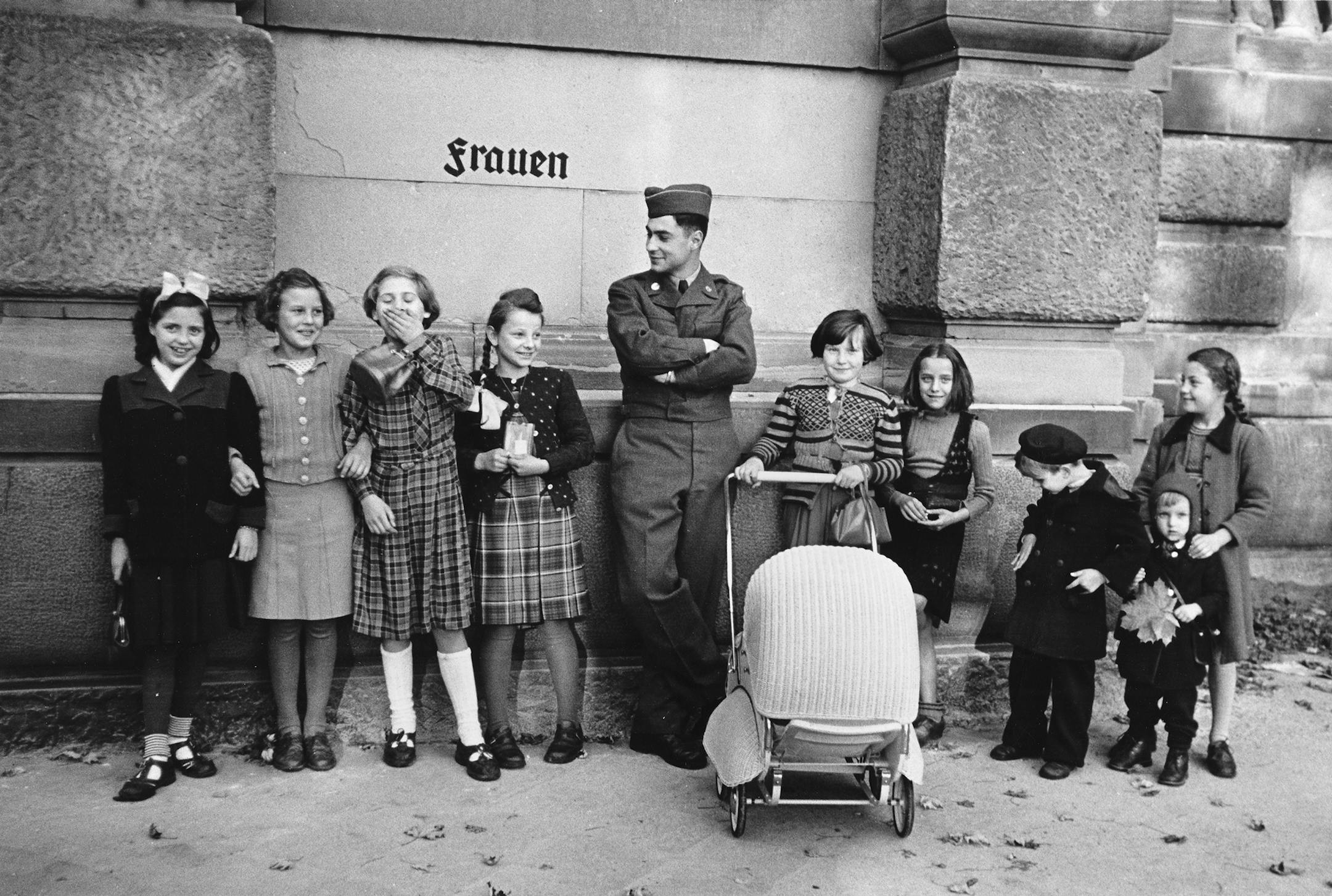
Given the ceaseless wars, avoidable disasters and recurrent tragedies of modern life, photographers can be forgiven for becoming cynical about human nature. After one too many oil spills or mass shootings, pretty much everyone gets more jaded.
Except Elliott Erwitt. Seventy years of professional shutter snapping have neither dimmed his enthusiasm for camera work nor curdled his disposition. He's photographed his share of pain and injustice, but at 87 he's still strolling the sunny side of the street. He uses a walker to get there, but never mind. He's upright, quick with a quip and still moving.
For the recent opening of "Regarding Elliott" at Weinstein Gallery in south Minneapolis, he and the walker and an assistant got on a plane and showed up. An affectionate selection of career-spanning Erwitt classics, spiced with some unfamiliar and offbeat gems — including charming portraits of Weinstein director Leslie Hammons and owner Martin Weinstein with neighborhood dogs — the show runs through Jan. 9.
Though very active in his New York studio, Erwitt has curbed his exuberant pace. A bit. He missed the festivities surrounding his fall shows in Houston and Atlanta, but for two exhibits in Paris he showed up. It was Paris, after all.
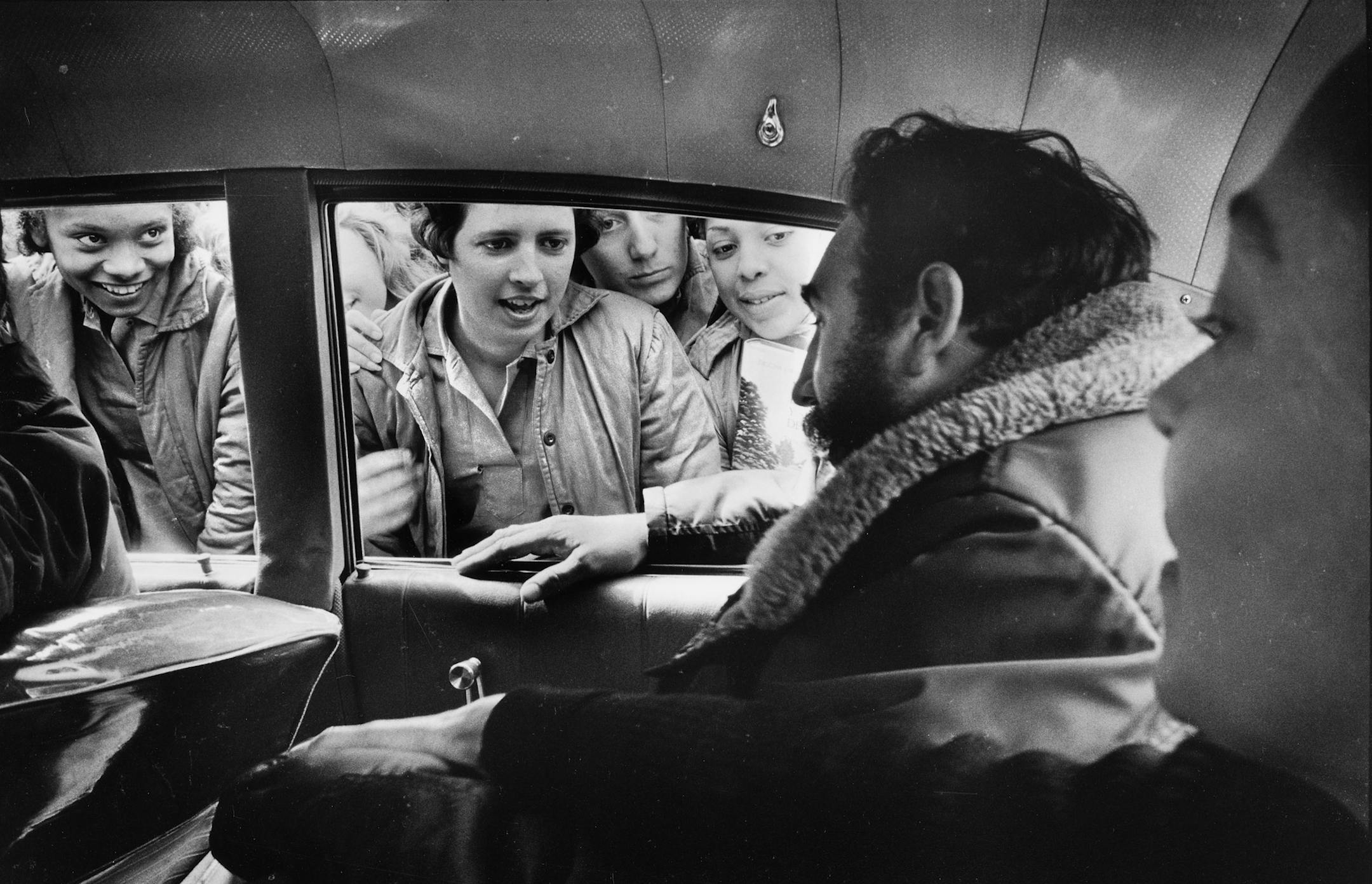
He passed on the recent debut of two shows in Russia. But offered a chance to photograph in Cuba this summer, he took it. His 1964 photo of Castro greeting a gaggle of admiring schoolgirls from the back seat of a car is a classic. And, who knows, there was always the chance that the auto Fidel and Elliott were riding in back then might still be on the road. So he showed up in Havana again for the first time in 51 years.
Familiar and lesser-known
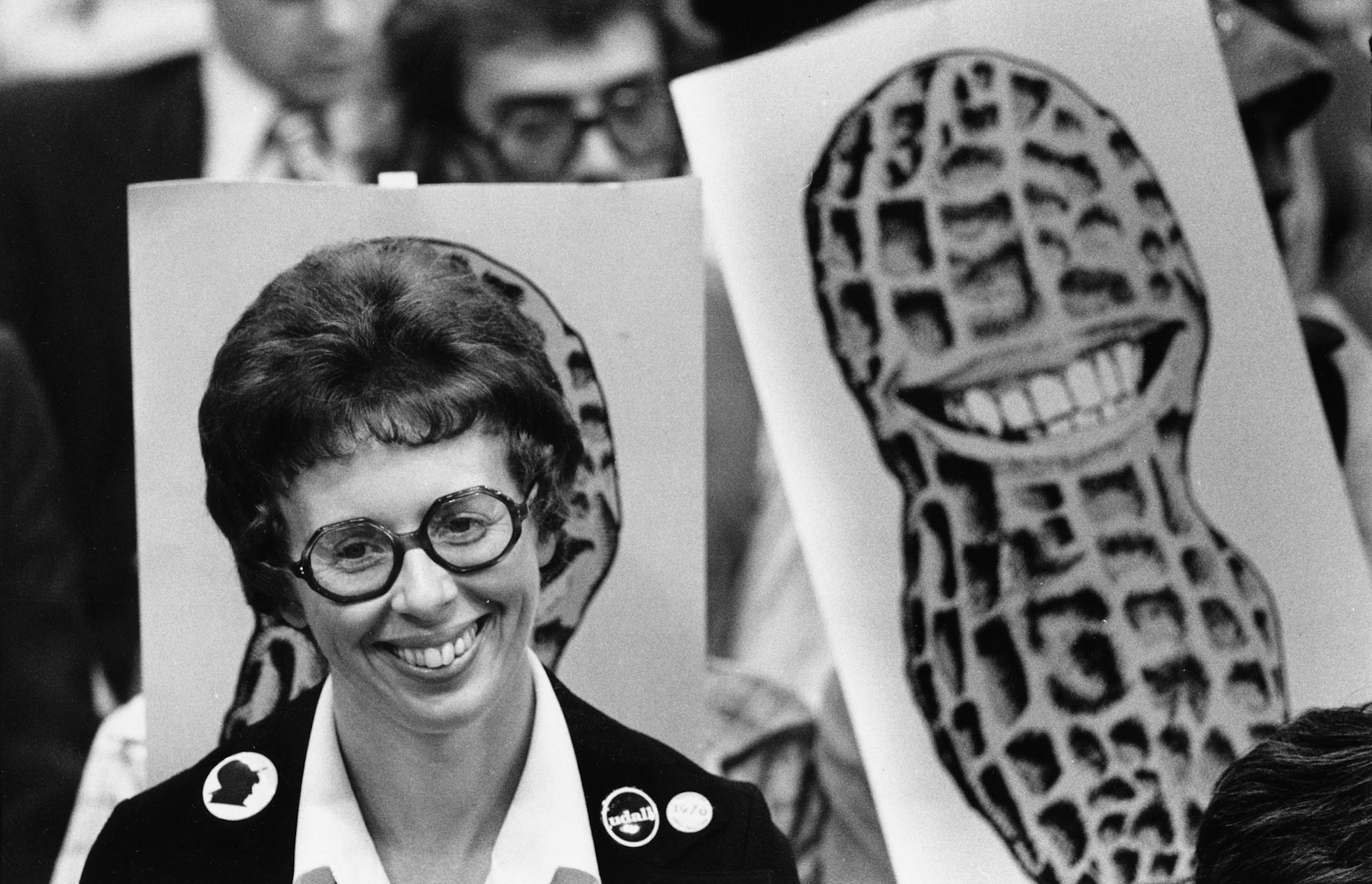
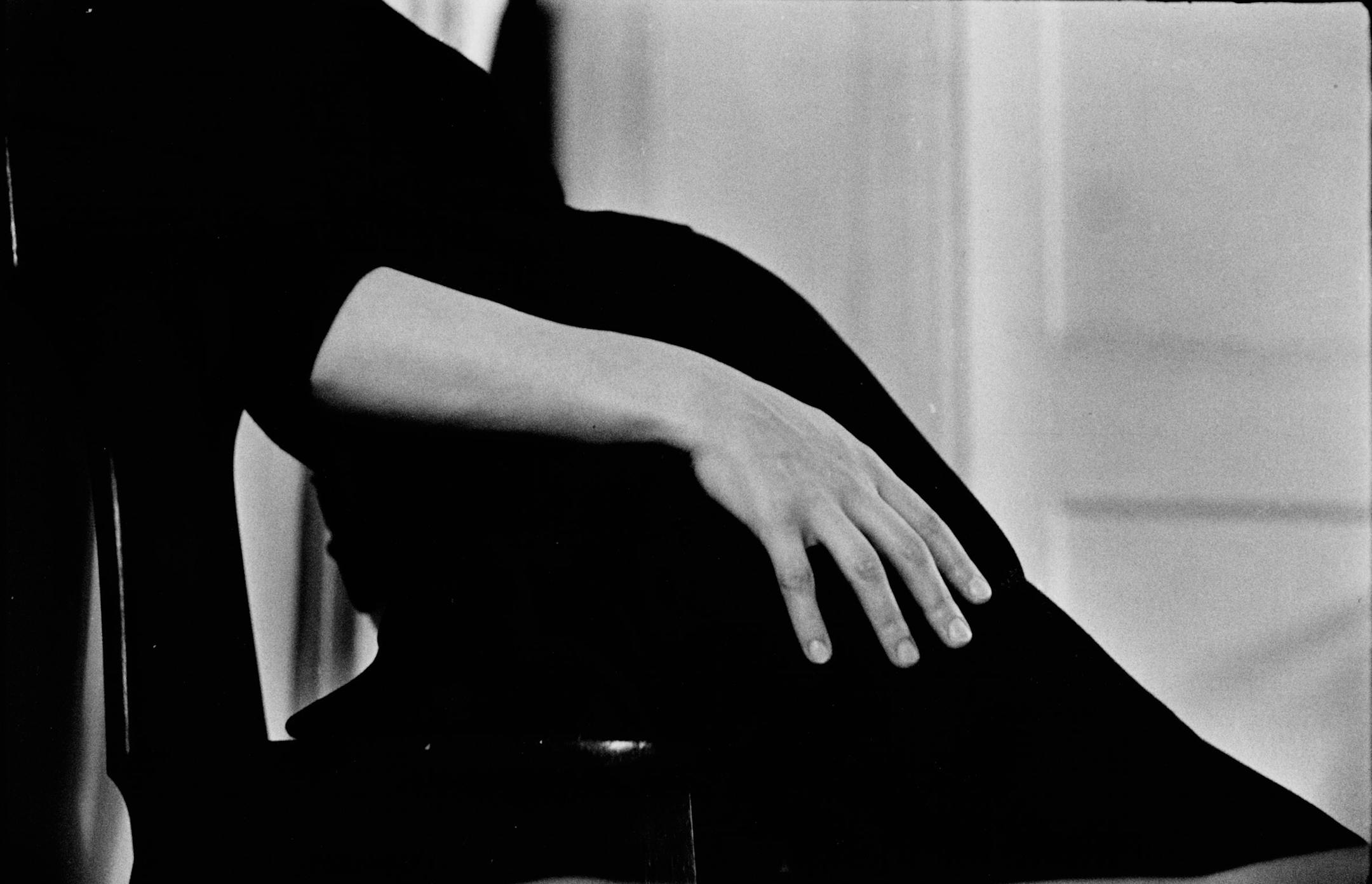
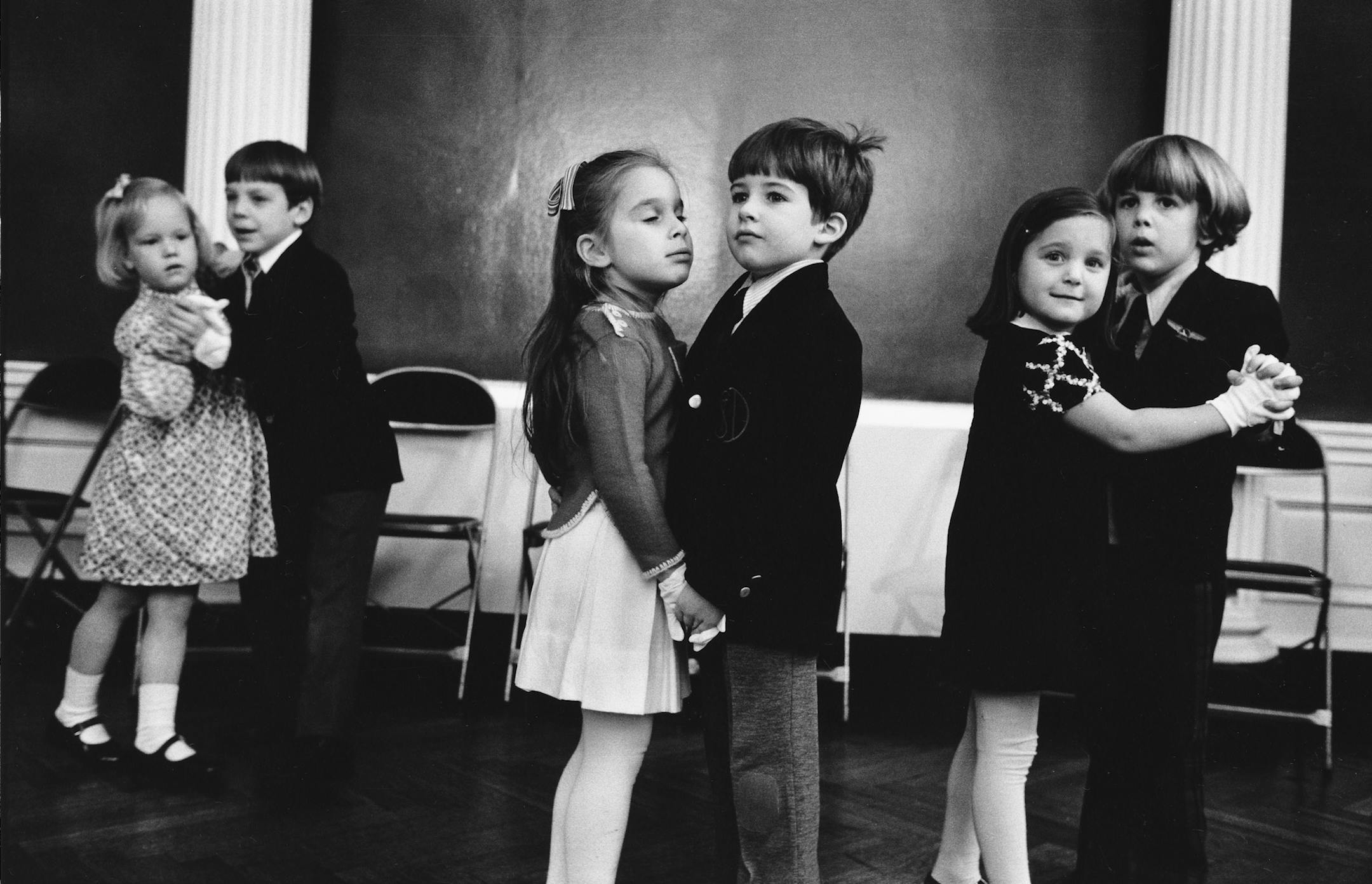
The Weinstein's 39 photos are a judicious mix of the known and the not-so-recognizable Erwitts, all of them defined by his keen eye and the droll wit that has long shaped his images.
One room is, loosely speaking, dedicated to classics and celebrities, including his famous photo of two 1950 North Carolina water fountains, one a spanking new high-chromed box labeled "White," the other an old-fashioned chipped and stained bowl labeled "Colored" into which a black guy dips his head.
Next to it hangs a 1954 photo from Arkadelphia, Ala., of a black congregation in a bare-boards church where a white-Jesus picture hangs near the pulpit from which a black speaker addresses the congregation.
![JEFF WHEELER • jeff.wheeler@startribune.com MINNEAPOLIS - 10/29/10 - Legendary photographer Elliott Erwitt was in town for the opening of a retrospective of his work Fridayt at the Weinstein Gallery in south Minneapolis. IN THIS PHOTO: ]Elliott Erwitt in the Weinstein Gallery in Minneapolis Friday afternoon.bestmn2012 bestmn2012](https://arc.stimg.co/startribunemedia/VOQVAGA4H6IR5ZQQ2A7CERHDD4.jpg?&w=1080)

