

In the first half of the 20th century, Germany was aggressive, expansionist and dangerous. Its legacy includes many millions of needless war deaths and the unspeakable crimes of the Nazi regime.
After 1945, however, the country changed. Chastened, defeated and shamed, Germany demilitarized at the insistence of the victorious Allies and soon adopted a constitution banning "wars of aggression." Germans, to their credit, looked in the mirror, wrestled with their dark history and rejected violence as a tool of foreign policy going forward.
That new, improved national identity lasted a long time.
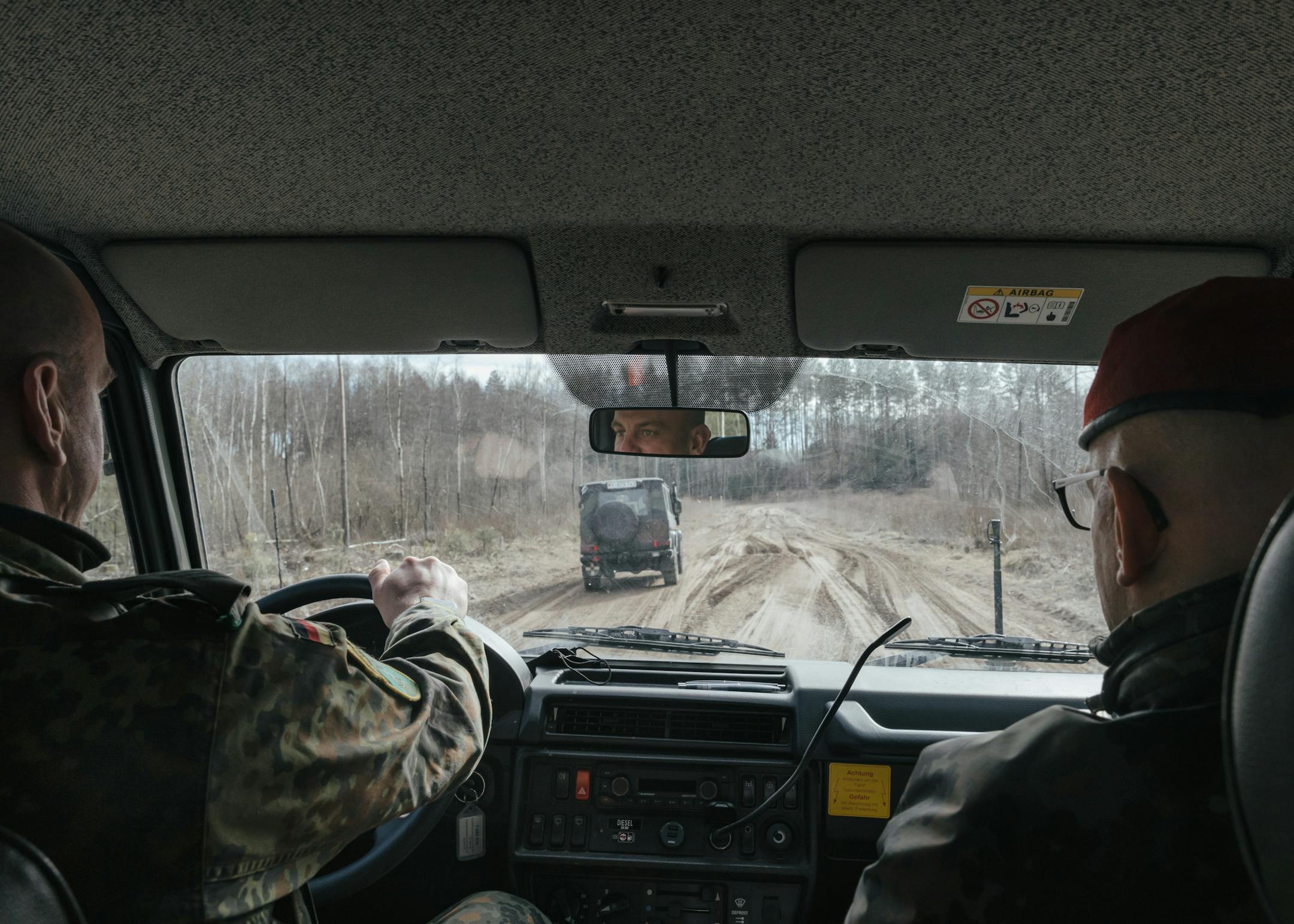
But now, eight decades later, the days of German anti-militarism may be drawing to an end. In the wake of Russia's invasion of Ukraine, Germany seems ready to flex its muscles and rebuild its armed forces.
The country's new chancellor has declared the Ukraine war a turning point — a "Zeitenwende," he called it. He has vowed to increase military spending immediately by more than $100 billion. Within two years, he promised, the country would be spending a full 2% of its GDP on its military — a target set some years ago by NATO that Germany has consistently failed to meet.
Meanwhile, a similar reappraisal has been underway in Japan, which is in the midst of a long argument with itself after eight decades of pacifism adopted after its World War II defeat.
There's long been controversy in Japan over Article 9 of the national constitution, which bans war as a method of settling international disputes, renounces "belligerency" and limits the country to fighting only in self-defense. But in 2014 and 2015, when conservative Prime Minister Shinzo Abe was in power, the country "reinterpreted" Article 9 to expand the role of its military and allow it to fight in defense of its allies if they are attacked.
Today, the argument continues about how much to rearm and remilitarize.


