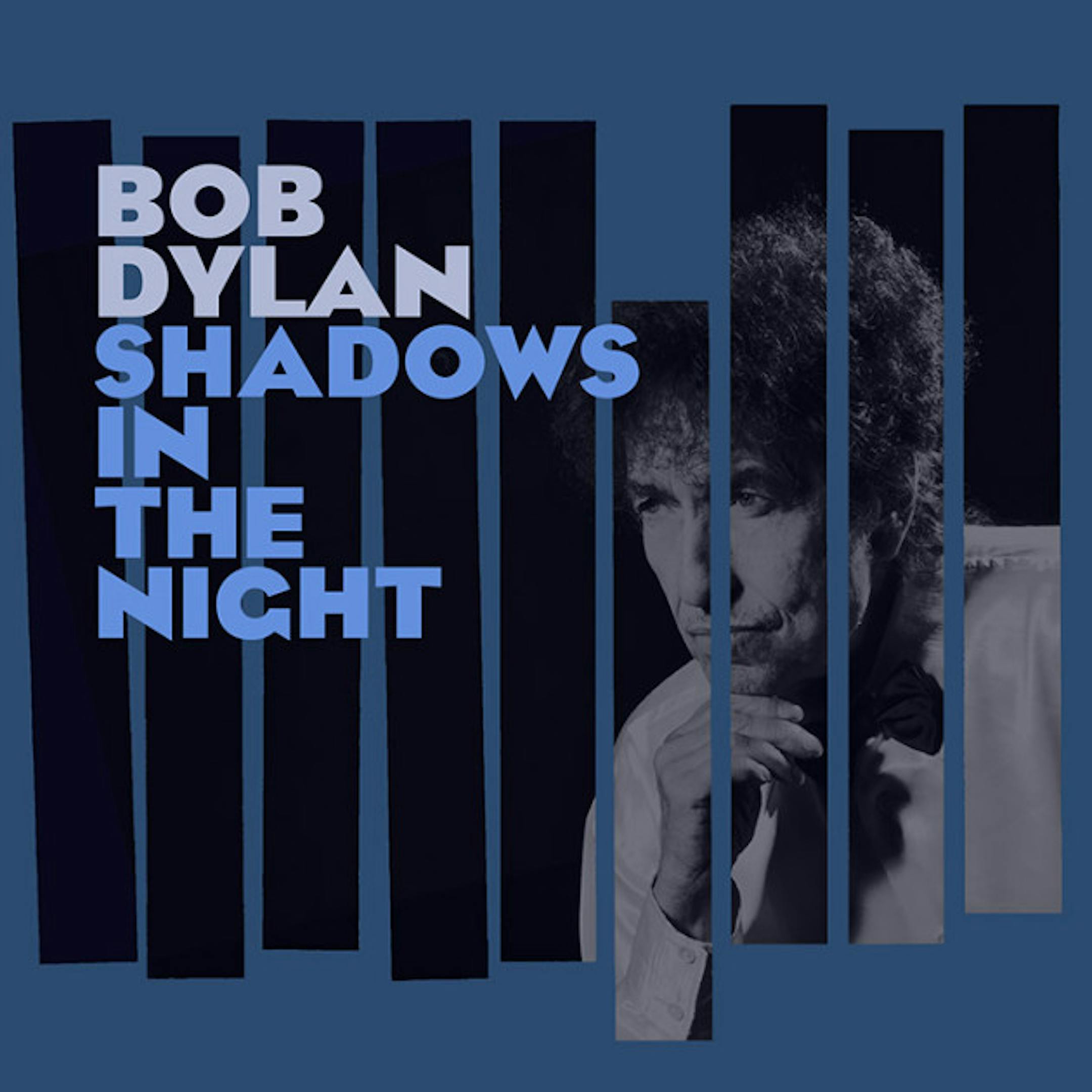
A lifelong student of music, Dylan has at various times saluted the sounds he grew up on. His albums of folk music, blues and even Christmas songs were no surprise. But an album of standards all recorded by Frank Sinatra?
Of course, Dylan knows Sinatra's music. But who knew that at this point of his careeer — when his work has been characterized by a croaky voice and frequent disregard for melody — Dylan could summon the focus, emotion and precision he does here?
OK, no one is going to confuse Dylan with Sinatra, Tony Bennett or even Harry Connick Jr. His voice isn't pretty but, for Dylan at age 73, it's pretty good here. His high end is thin, and he's often quivering and pitchy. But he has packed such thought and feeling into this collection that it can't be denied.
Sinatra may have had too few regrets to mention, but Dylan has nothing but regret in this 10-tune meditation on failed romance. He's not angry, just resigned. On the woozy, missing-you "Autumn Leaves," his phrasing is drawn out to underscore the loneliness. Never before has he so effectively used space in his phrasing. And throughout the album he avoids punching his words Dylan style, except for one time on the closing "That Lucky Old Sun," which was on his concert set lists in the mid-1980s.
Recorded in Studio B at Capitol Records in Hollywood, where Sinatra often worked, "Shadows in the Night" is desert-dry. There are no string sections and horn flourishes — not even piano. Instead, Donny Herron's pedal steel guitar frames almost every song. Muted horns are heard on three numbers.
This is an album of restraint and respect. And surprises. "I'm a Fool to Want You" suggests Billie Holiday reveling in Eastern European sounds. On the final phrase of a weary "Where Are You," Dylan suddenly unleashes his strongest, fullest voice of the album. He turns Irving Berlin's "What'll I Do" into a country blues, spiked with Herron's lonely steel guitar. In Dylan's hands, "That Lucky Old Sun" comes across as a Irish hymn.
In some respects, "Shadows of the Night" feels like an extension of Dylan's relatively recent albums "Time Out of Mind," "Love and Theft" and "Modern Times." If you're not a Dylan fan, however, this might seem like another album of standards by a superstar past his prime. On those terms, "Shadows in the Night" doesn't measure up to Willie Nelson's stellar "Stardust" — which Dylan has mentioned as an inspiration — but it sure trumps Rod Stewart's five volumes of the Great American Songbook combined.