

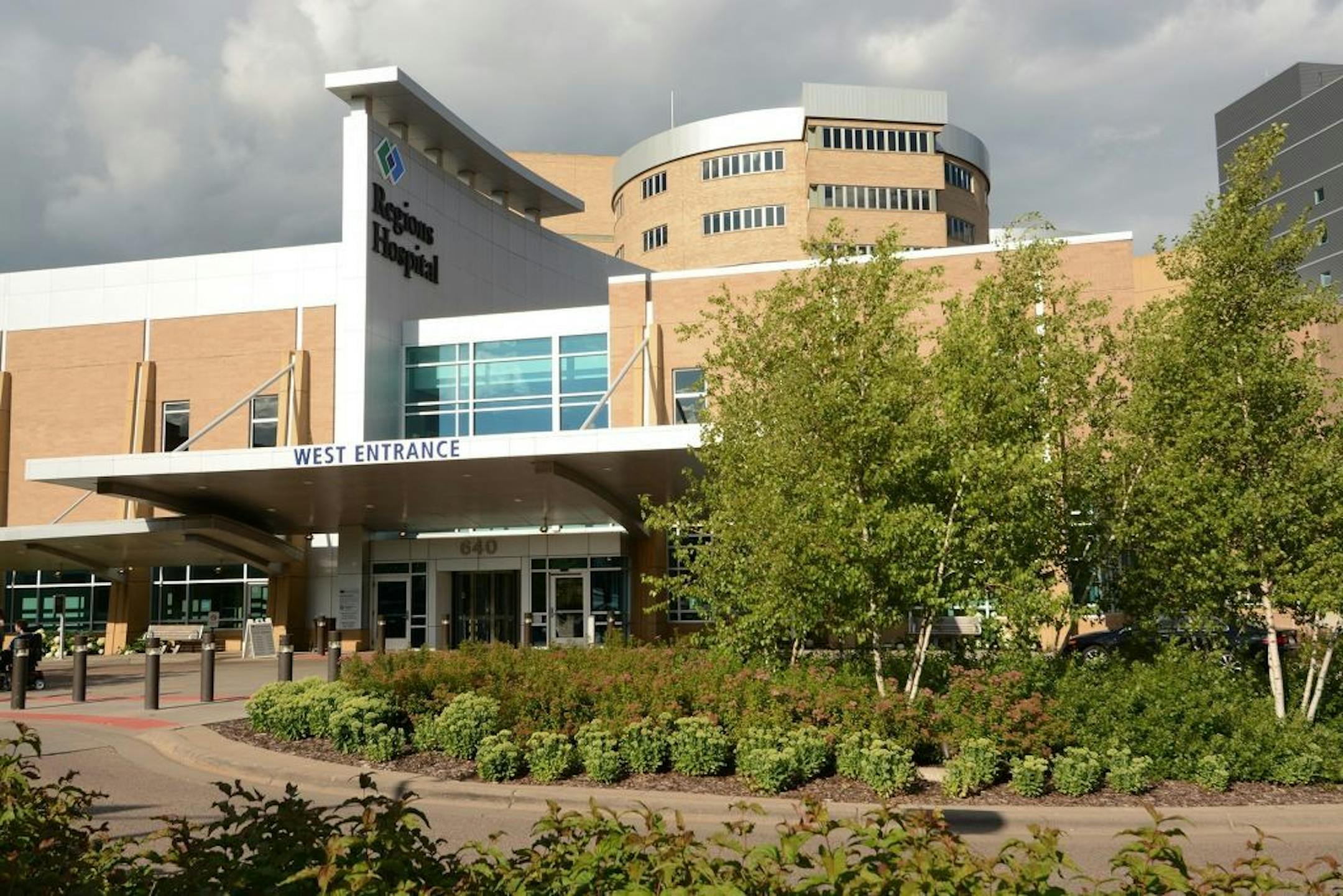
Nurse Emily Smelcer had seen this before: Her patient at Regions Hospital in St. Paul, a sexual assault victim, was too scared or too traumatized or too unprepared to recall simple details.
What was new was the question that unlocked those answers.
The Mauston, Wis., nurse was at Regions recently as part of a new residency program to give sexual assault nurse examiners, called SANEs, more practical skills and more practice screening victims than they would experience at their small or rural hospitals. That included lessons on trauma-informed questions to help victims think back to their attacks.
"What did you hear?" Smelcer asked the woman.
There was a train horn, the woman recalled, which meant it must have been near the train station in St. Paul, which meant it must have been in a nearby housing complex. And suddenly details were pouring out.
Regions started the training program last year in partnership with the University of Minnesota, seizing on the reality that the urban trauma hospital treats more sexual assault victims than the average rural hospital. Smelcer figured her hospital in central Wisconsin does a dozen evaluations a year, but she witnessed or led four screenings in her week at Regions.
An effective screening can reduce mental and physical health problems in victims after their sexual assaults, but examiners need the "competence and confidence" to do them, said Ellen Johnson, Regions' SANE program educator.
Nurses in remote locations "are practicing essentially in a vacuum by themselves, figuring it out as they go," Johnson said. "So, it's a huge benefit for them to be able to work with a program that is well-established and be able to learn some new skills."


