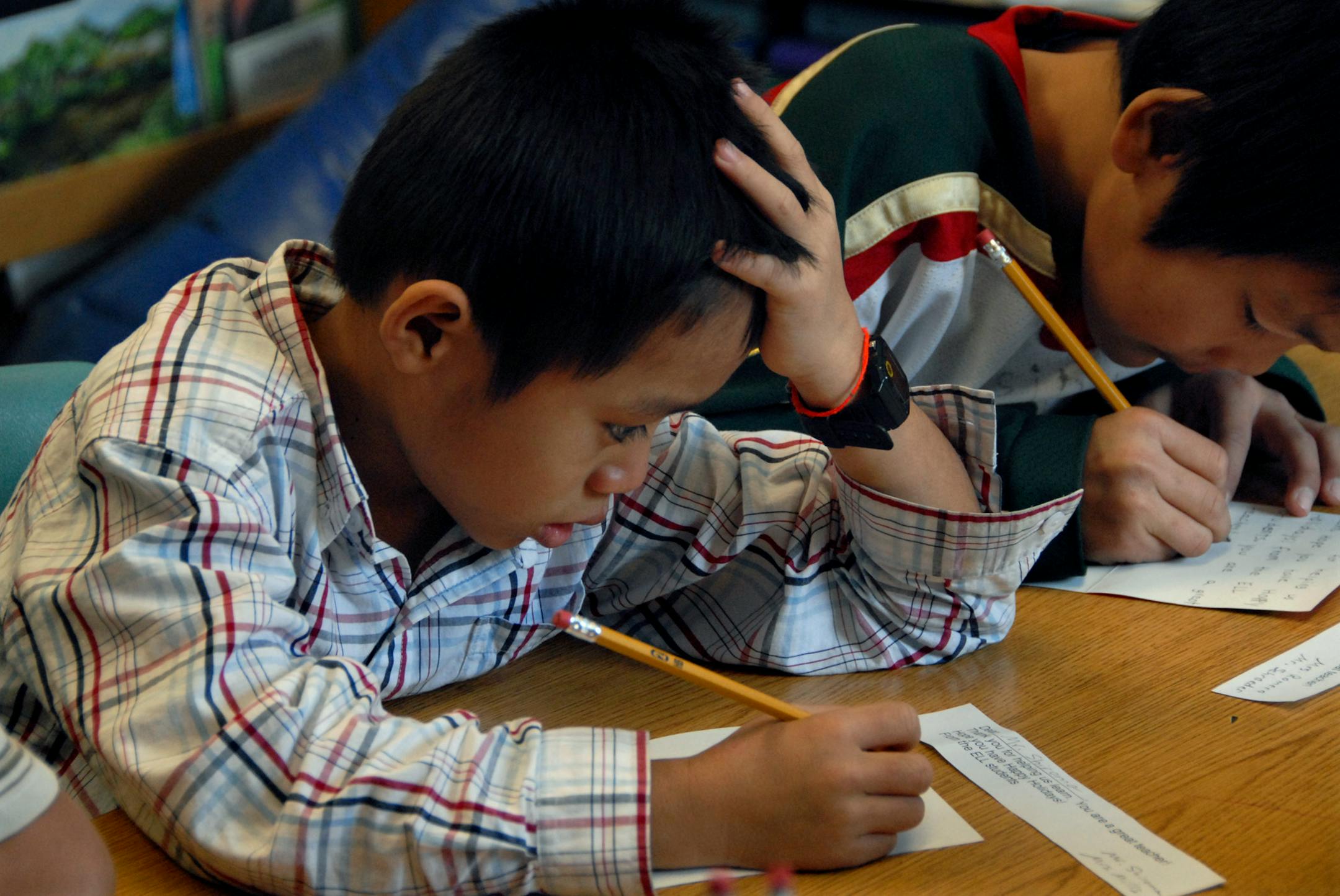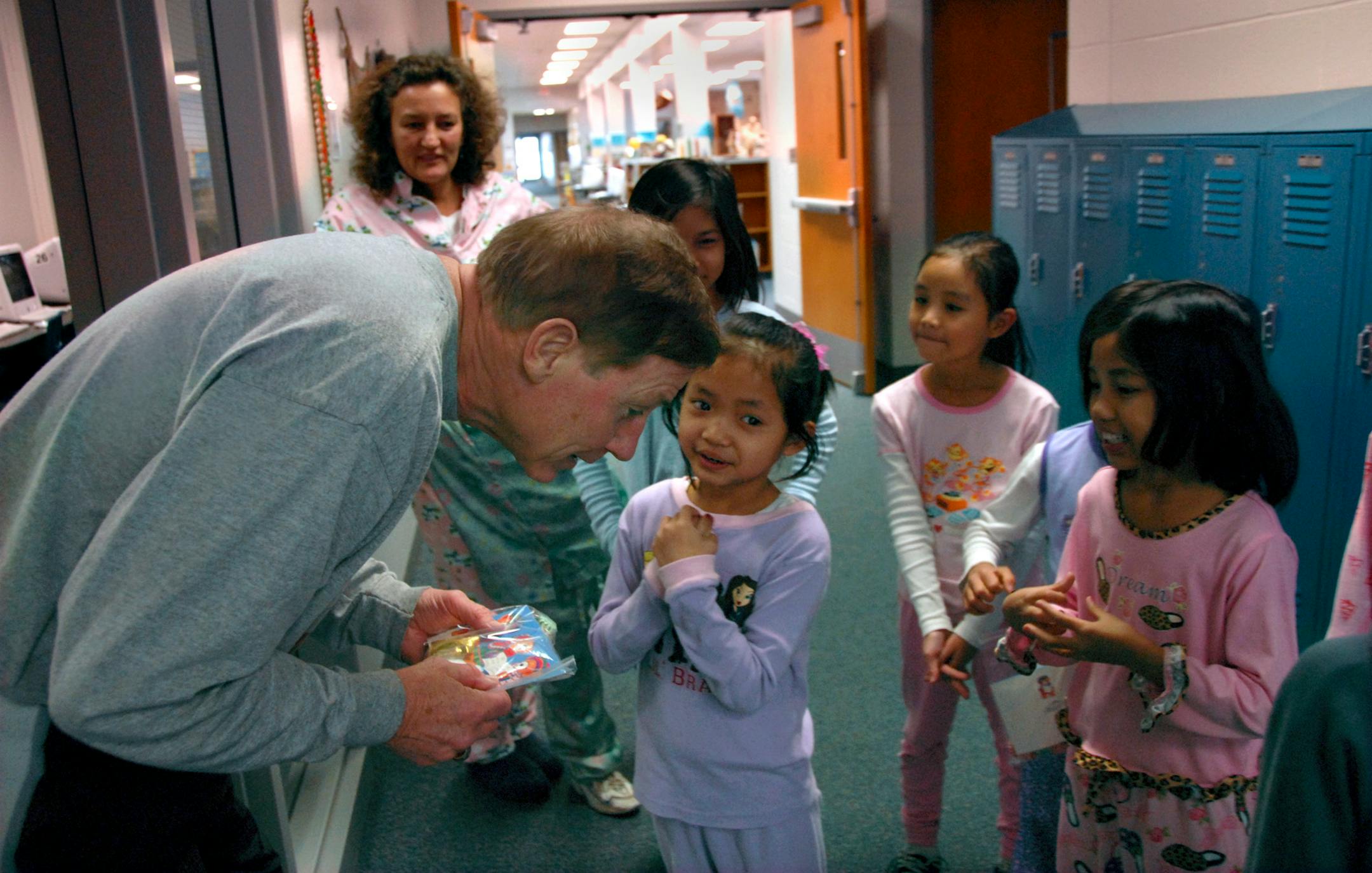
Nenette Onstad scans the students streaming past her classroom at Maplewood's Edgerton Elementary at the end of each day, waving goodbye to each student in her English-language-learner program. ¶ Many of the students who meet Onstad's gaze arrived in her class four months ago with no last names, just a few words of English and nightmares from home still fresh in their minds. ¶ Now, they wave back and offer big smiles. ¶ "I enjoy having them," Onstad said. "But they need a lot of help."
The Karen, an ethnic minority in an armed conflict with the government in Myanmar, came in unexpected numbers to the Roseville School District in the fall, and district employees are working feverishly to meet the group's myriad needs for living here while keeping education at the forefront of its mission. There are now roughly 140 Karen students in the district, most of whom arrived from refugee camps in Thailand this past summer. Local Karen leaders expect another wave of refugees next summer. To handle the crunch, the district hired another English-language-learner (ELL) teacher and a Karen liaison. Onstad holds English classes for parents every Wednesday night.
District staff members worked with churches to find mentors for nearly two-thirds of the 37 Karen families in the district.
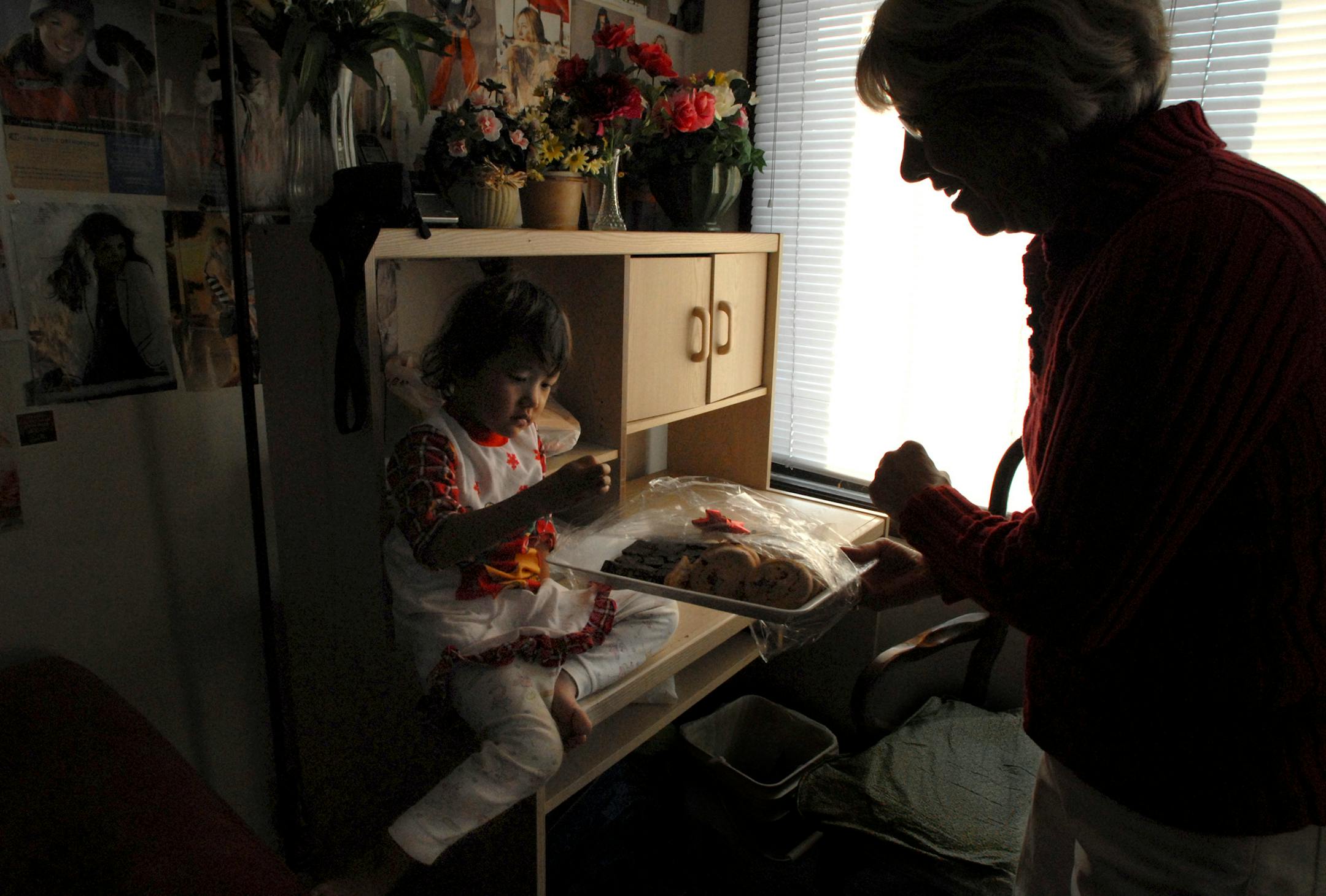
And donations turned the Fairview Community Center into a makeshift food shelf, clothing bank and Christmas gift shop.
"It was an amazing surprise for me. I've never seen [support] before like that," said Wilfred Tun Baw, who came to St. Paul seven years ago and is president of the Karen Community of Minnesota, which helps new arrivals get settled in the United States. "The Roseville area is perfect. It's helped a lot to my people."
The Karen immigrants also benefit the district, helping push the enrollment to more than 6,400 as of Oct. 1 -- or back to its 2000-01 level at a time when enrollment is falling in many first-ring suburbs.
But it is a struggle to get the children caught up in school. Most Karen children are learning rudimentary English and there's little chance students older than sixth grade will ever take traditional classes.
Then there's the scarcity of Karen translators and the requirement that new students meet federal No Child Left Behind standards after one year in the country.