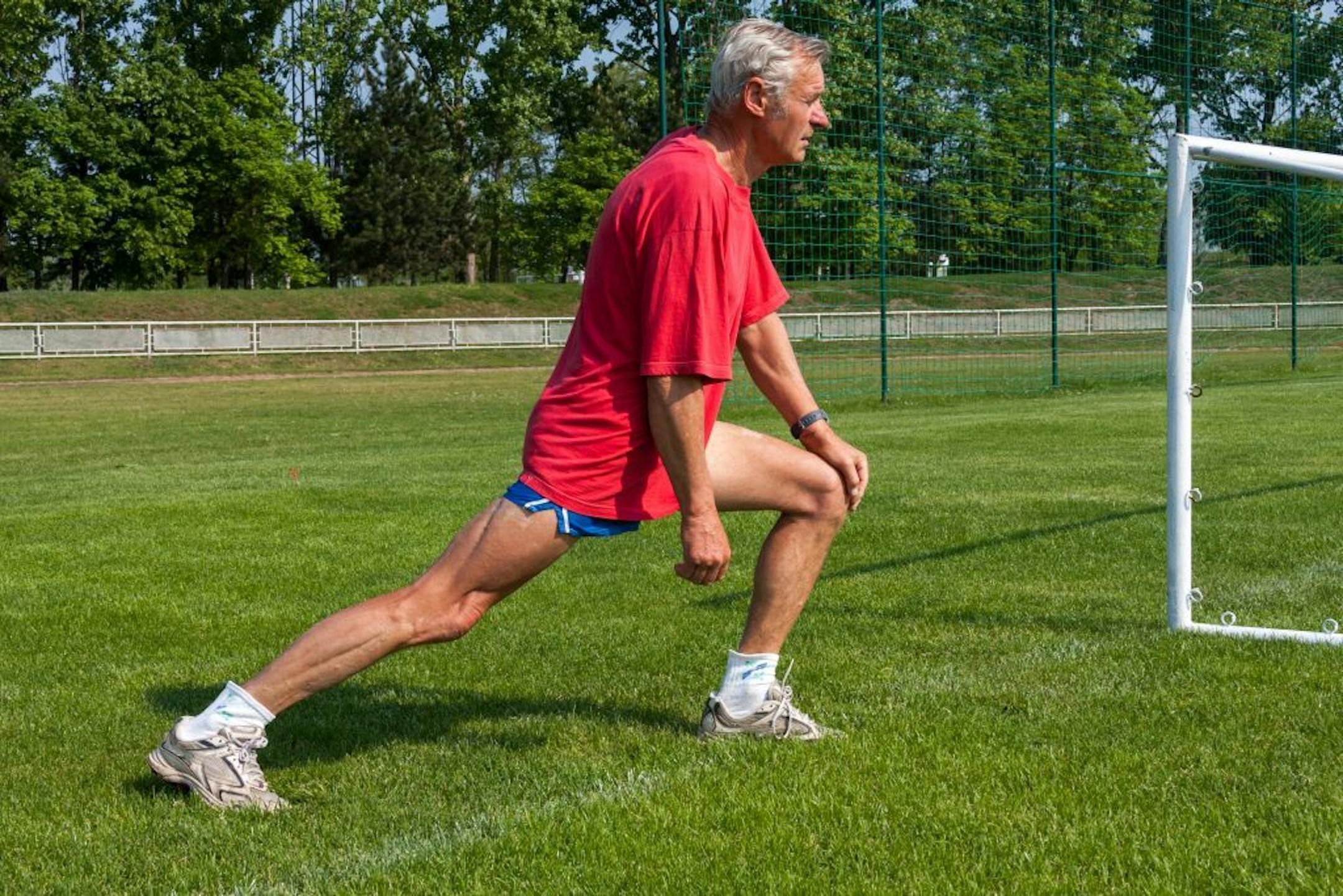
What can be done about negative stereotypes that portray older adults as out-of-touch, useless, feeble, incompetent, pitiful and irrelevant?
From late-night TV comedy shows where supposedly clueless older people are the butt of jokes to ads for anti-aging creams equating youth with beauty and wrinkles with decay, harsh and unflattering images shape assumptions about aging. Although people may hope for good health and happiness, in practice they tend to believe that growing older involves deterioration and decline, according to reports from the Reframing Aging Initiative.
Dismal expectations can become self-fulfilling as people start experiencing changes associated with growing older — aching knees or problems with hearing, for instance. If a person has internalized negative stereotypes, his confidence may be eroded, stress responses activated, motivation diminished ("I'm old, and it's too late to change things") and a sense of efficacy ("I can do that") impaired.
Health often suffers as a result, according to studies showing that older adults who hold negative stereotypes tend to walk slowly, experience memory problems and recover less fully from a fall or fracture, among other ramifications. By contrast, seniors whose view of aging is primarily positive live 7.5 years longer.
Can positive images of aging be enhanced and the effects of negative stereotypes reduced? At a recent meeting of the National Academies of Sciences' Forum on Aging, Disability and Independence, experts embraced this goal and offered several suggestions for how it can be advanced:
Become aware of implicit biases. Implicit biases are automatic, unexamined thoughts that reside below the level of consciousness. An example: the sight of an older person using a cane might trigger associations with "dependency" and "incompetence" — negative biases.
Forum attendee Dr. Charlotte Yeh, chief medical officer for AARP Services Inc., spoke of her experience after being struck by a car and undergoing a lengthy, painful process of rehabilitation. Limping and using a cane, she routinely found strangers treating her as if she were helpless.
"I would come home feeling terrible about myself," she said. Decorating her cane with ribbons and flowers turned things around. "People were like 'Oh, my god that's so cool,' " said Yeh, who noted that the decorations evoked the positivity associated with creativity instead of the negativity associated with disability.