

The pressure to overhaul a state sex offender treatment program that has been called "clearly broken" by a federal judge is mounting daily, but the Legislature may not act in time to prevent court intervention.
With just weeks to go in the session, Gov. Mark Dayton and legislators are blaming one another for failing to address the problems identified by Judge Donovan Frank. In February, Frank called on state lawmakers to take immediate action or face a court-ordered remedy.
But little has happened since then.
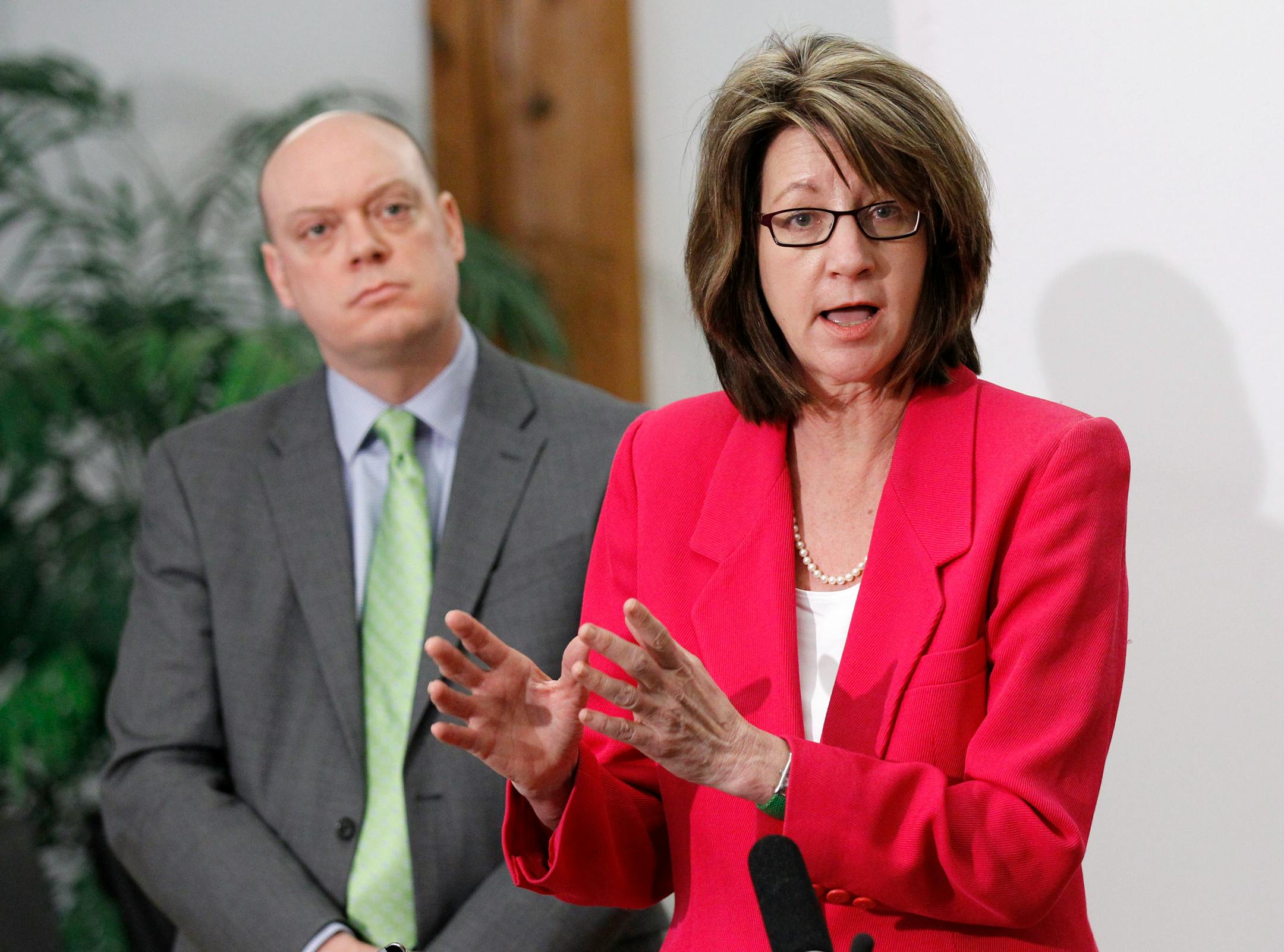
Human Services Commissioner Lucinda Jesson, whose department oversees the Minnesota Sex Offender Program (MSOP), said recently that she had hoped for a different outcome this session. "I'm disappointed," she said. "I'm concerned about the lack of progress toward overall system reform."
Leaving the program as it is heightens the possibility that the federal courts could, at some point, declare it unconstitutional and order the release of hundreds of the state's most violent sex offenders. There is precedent for such dramatic intervention: In 2011, the U.S. Supreme Court ruled that California's overcrowded prisons amounted to cruel and unusual punishment and ordered the state to reduce its inmate population by 30,000.
Dayton said he asked the Legislature to approve $3 million for professional evaluation of sex offenders — a specific requirement to meet Frank's order — and said he still expects lawmakers to approve it. "I hope we will get that money," the governor said. "I don't know why anyone would object to up-to-date psychological evaluations so we know what we're dealing with."
Minnesota's program holds nearly 700 sex offenders — more per capita than any comparable program in other states. With costs far higher than prison costs, its outlays also have exploded. The state has been criticized in the past for doing too little to prove that those in its care are receiving an actual course of treatment rather than just being held indefinitely after serving their prison sentences.
Critics of the sex offender program say they are not surprised by legislative foot-dragging. Addressing the civil rights of serial rapists and child molesters in an election year, they say, is tantamount to political suicide.


