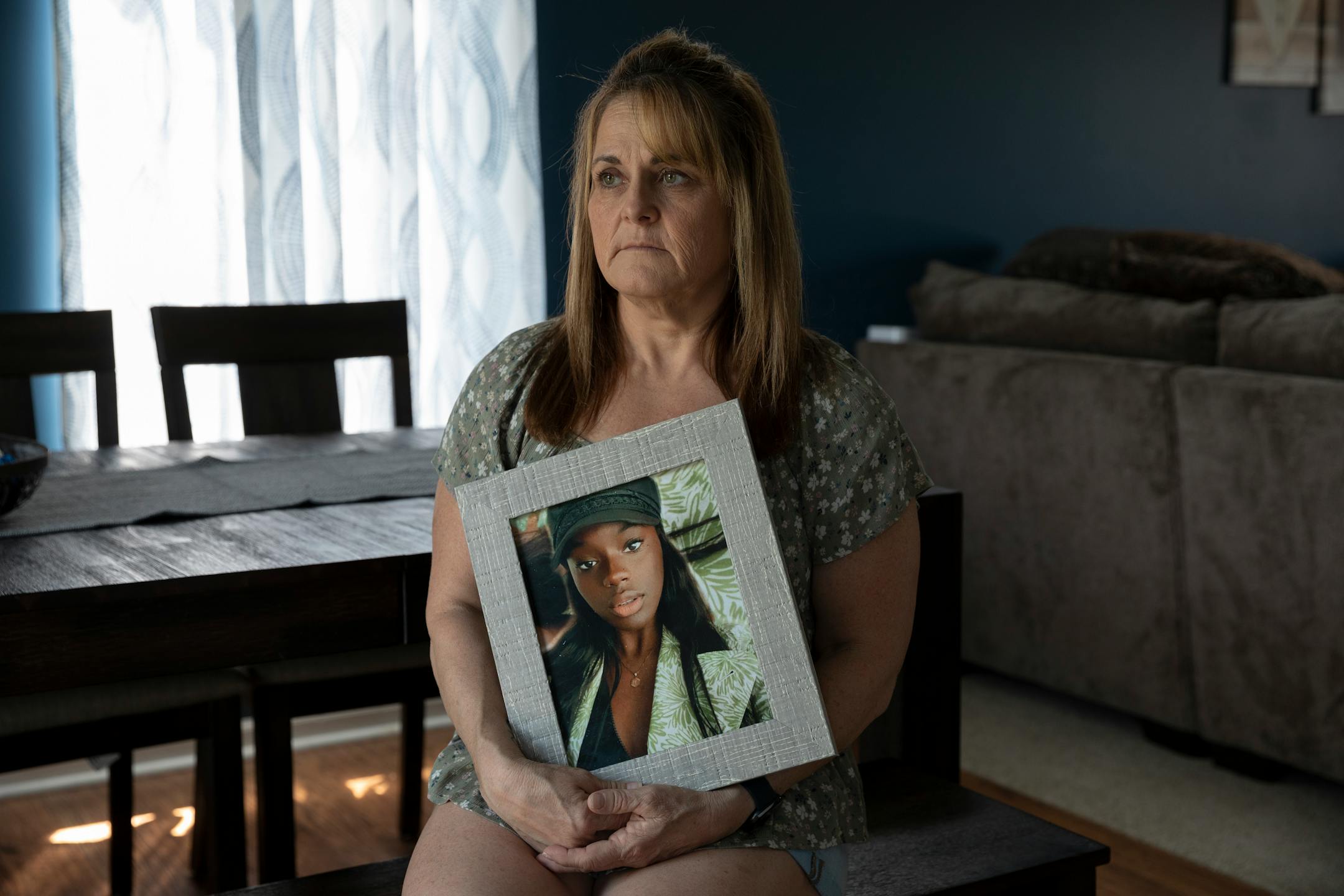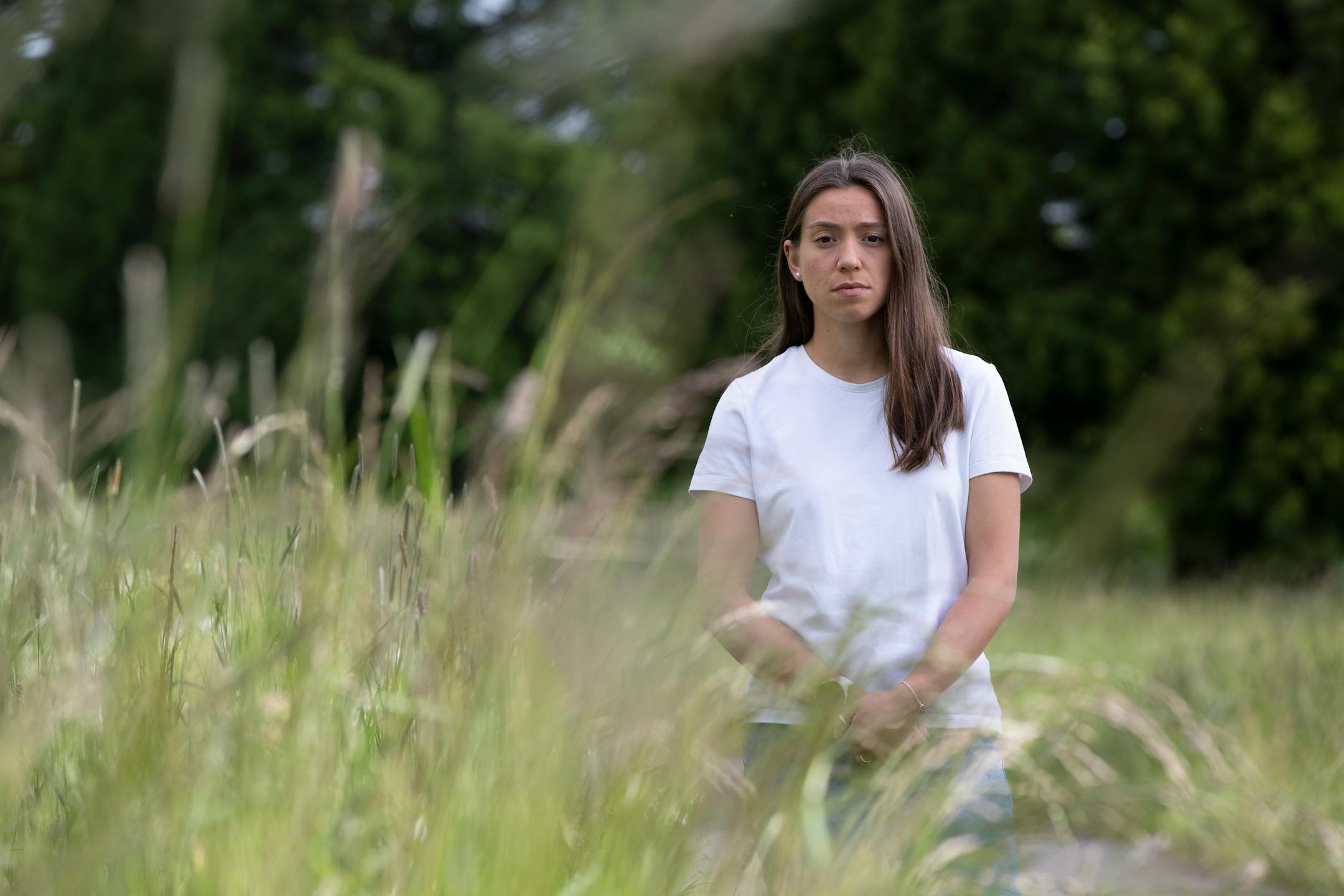
When the first college athlete died by suicide this year, Kate Intile thought of the time her own sport had left her in months of darkness. After she was cut from a storied college running program, "I wasn't able to find any worth in myself," she said. "I've never felt like less of a human."
As an elite college cross-country runner, Intile said she had been body-shamed, pushed through injuries and made to feel worthless when her times did not measure up. When she learned in March of the suicide of Katie Meyer, a charismatic goalkeeper who had helped Stanford to a national championship in soccer, Intile feared for her former teammates and other college athletes.
"It felt like it was only a matter of time," Intile said.
At least four more NCAA athletes have died by suicide in the two months since Meyer's death, three of them young women. Intile, who now runs for Oregon State, said the fear has only grown.
"It's a constant worry you have in your life, on top of everything else," Intile said. "This could happen to me; this could happen to my teammates. My parents are worrying about me. It's this vicious, anxious spiral of 'Where is everyone at?' and 'If someone's not okay, what do I even do?' "
Intile, other current and former college athletes and advocates told The Washington Post they see the moment as a mental health crisis for college athletes. The factors that have exacerbated it - the pandemic, social media, the rising pressures on young people - are shared by many college students, experts say.
But the deaths of Meyer and the other athletes have shaken the close-knit community of elite college sports, sparking fear and anxiety, according to athletes and others working in college sports.
"Nervous is a good word for it," said Christopher Bader, the assistant athletic director of mental health and performance at the University of Arkansas. "One of the scariest parts of our job as psychologists, in general, is the not knowing. I can see somebody every week for an hour a week, and that's only 1/168th of their week. There's 167 other hours that I don't see them; that's the scary part when you hear of things like this."