

The wine world is changing rapidly, with new grapes, regions and styles coming to the fore. But some things stay the same.
Like Rioja, the once and future signature wine of Spain.
Admittedly, some fabulous reds are emanating from other Spanish regions such as Priorat, Navarra and Montsant. But in much the same way that Bordeaux and Burgundy still reign in France, and that "cabernet is king" has become a California catchphrase, Rioja and its tempranillos rule the roost on the Iberian Peninsula.
And with good reason, as this is the perfect melding of grape and place, a hearty variety in a dry Mediterranean climate. That's especially fitting here, since these wines so often evoke the ground from which they spring, their dusty notes dancing with the fruit, tannins and acid in delightful harmony.
Most Rioja reds are blends, and until a half-century ago garnacha (grenache) rivaled tempranillo as the primary grape. But as vintners learned that tempranillo had superior structure for aging, especially in new oak, it came to dominate, with garnacha and graciano as the most common complementary additions.
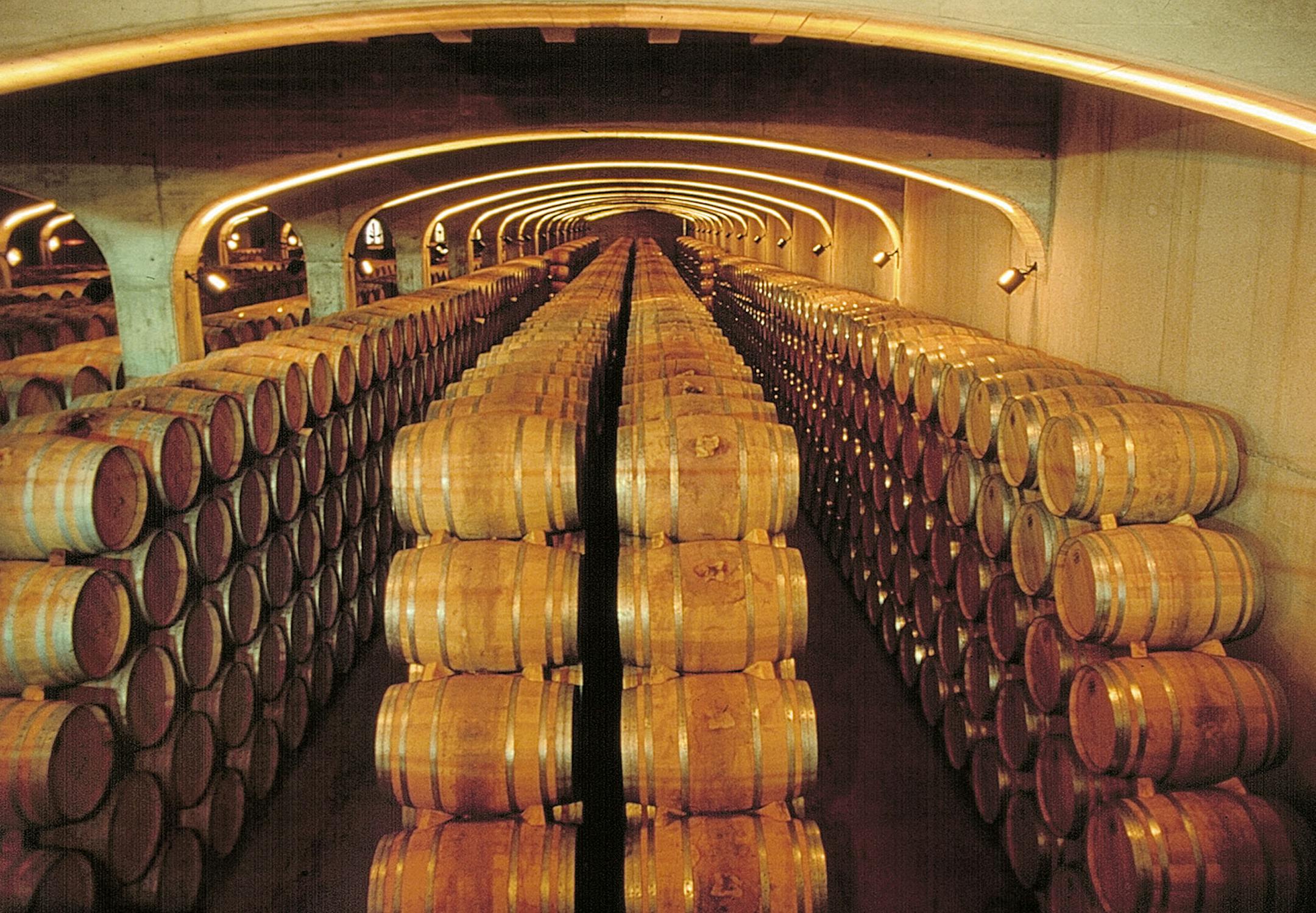
Oak plays an important part in the aging process. Rioja comes in different categories, marked on the labels: Crianza (a minimum of one year in barrel and one in bottle), Reserva (one year in barrel and two in bottle) and Gran Reserva (two years in barrel, three in bottle; made only in strong vintages in which the fruit can handle that much oak).
In this century, many of the best wineries have switched from predominantly American oak, which generates creamy vanilla notes, to more French barrels, which have a subtler influence. That not only plays up the savory and earthy elements of the grape but lets the fruit shine more brightly. (Old saying: Oak is to wine as salt is to a steak; it can punch up the flavor, but if you can taste it, you've used too much.)
The meticulous aging process means that Riojas can taste fresh a decade or more after their vintage year. Indeed, it's not hard to find 2004 and 2005 labels on store shelves and restaurant lists today; for one old-school winery, R. Lopez de Heredia, 2004 is the current vintage. And these wines needn't be drunk right away; some cellar time would be just fine, especially with the Heredias.


