Note: This is a reprint of an article I wrote a few years ago for Imbiber magazine, but tis the season!
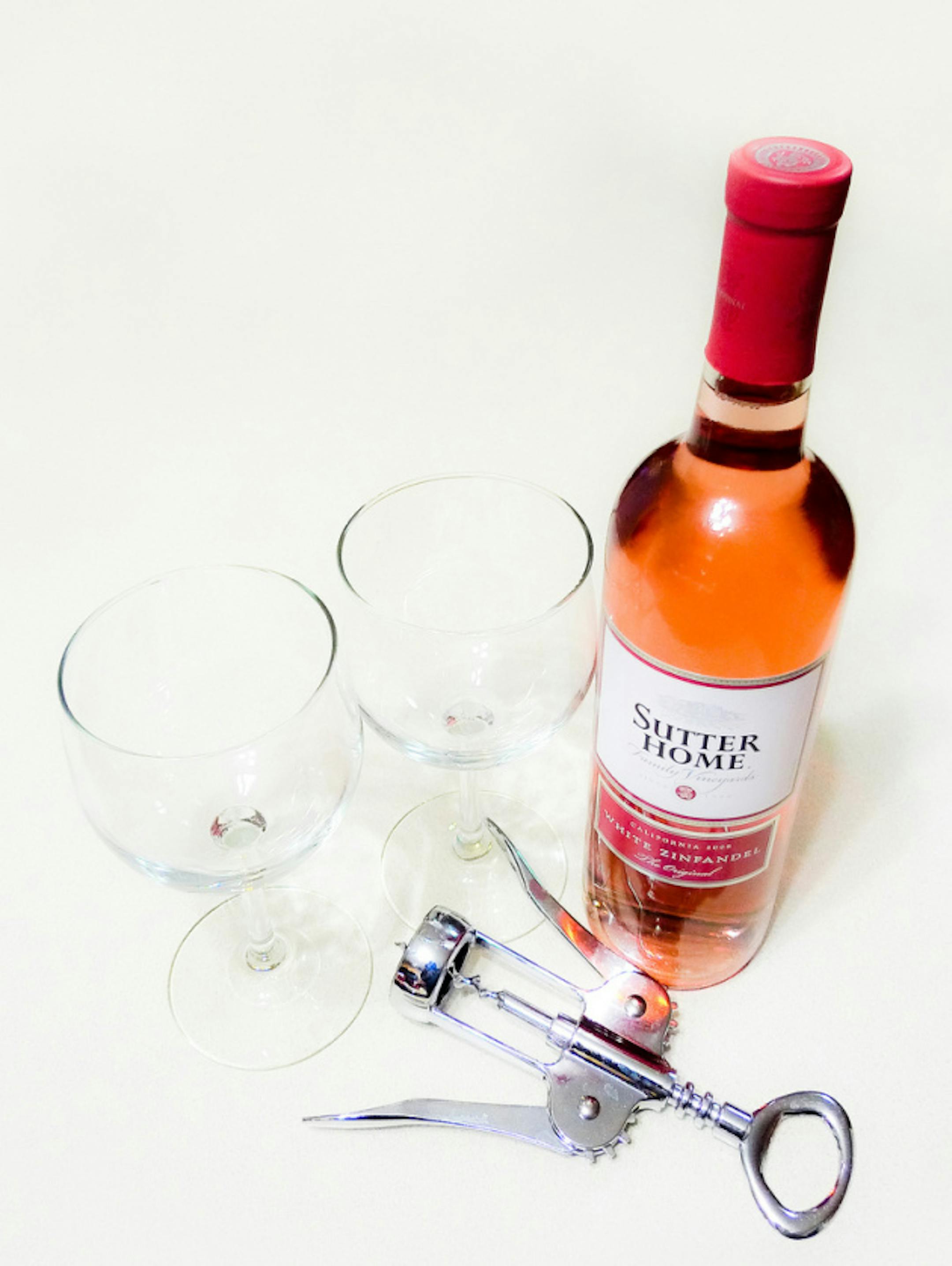
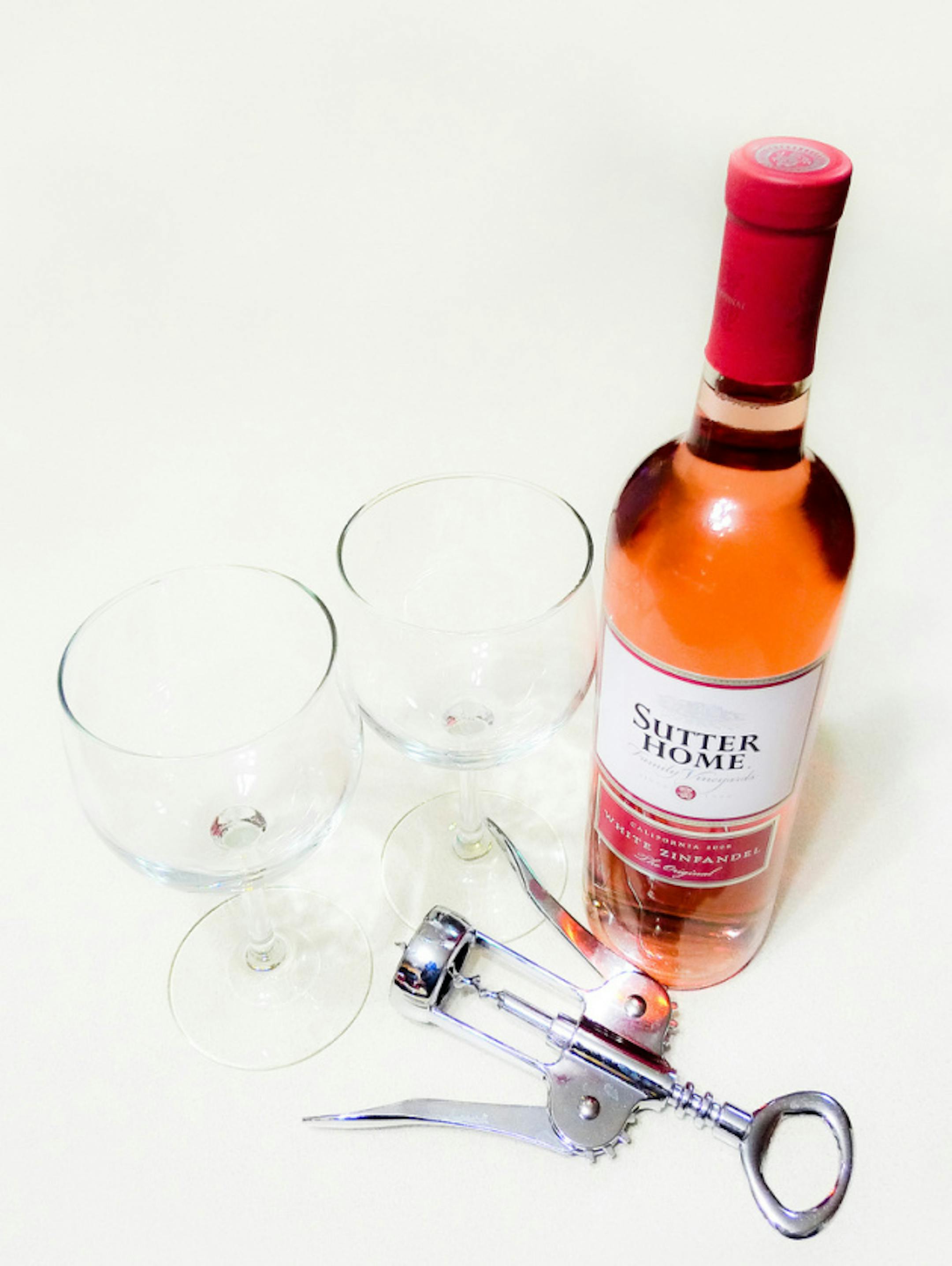
Okay. I admit it. I used to drink White Zinfandel. And I liked it. I can give excuses like, "I was so young," or, "It was before I really knew wine," but the reality is I don't think this pre-oenophile indiscretion needs an excuse. The great thing about White Zinfandels or any easy-drinking wine is they present an opening into the wine world.
For me, it was Sutter Home White Zinfandel, bought for the "fancy" dinner my roommates and I were making in our dorm kitchen. In hindsight there is much to cringe at as I think back upon this meal:
1. We considered it gourmet because we made asparagus as a side.
2. Did I mention we were drinking White Zinfandel?
3. Asparagus is one of the hardest foods to pair—although Gruner Veltiner works great—but at the time, my three roomies and I agreed the wine was a perfect match.
Despite these faux pas, however, I can say that this meal remains on my top-ten-best-meals-ever list. My wish for everyone is that they have one of the fabulous meals in their past—or future—as well.
You see, wiine drinking tends to be circular. When we start, we often begin with an accessible wine like White Zin. It's like drinking coffee with lots of sugar and cream before you tackle espresso or PBR before you learn the nuances of Belgian ales. I moved on from pinks to whites. Rieslings, Pinot Gris', Chenin Blancs, and Chardonnays entered my palate and vocabulary. As I became more adventurous, I moved into that "I only drink reds" stage, believing that bigger and bolder was somehow better. Savouring meaty Cabernets, I thought I'd met the apex of my well-developed palate. The one day, by happenstance, I ended up with an unwanted glass of white. For me it was at a neighbor's home. Maybe for you it was handed off to toast a bride and groom. Maybe it was pored at a dinner. But whatever the case, most of us are taken aback as we realize nuances to the white that we missed the first time. Our interest in white wine renews, and the circle begins again.
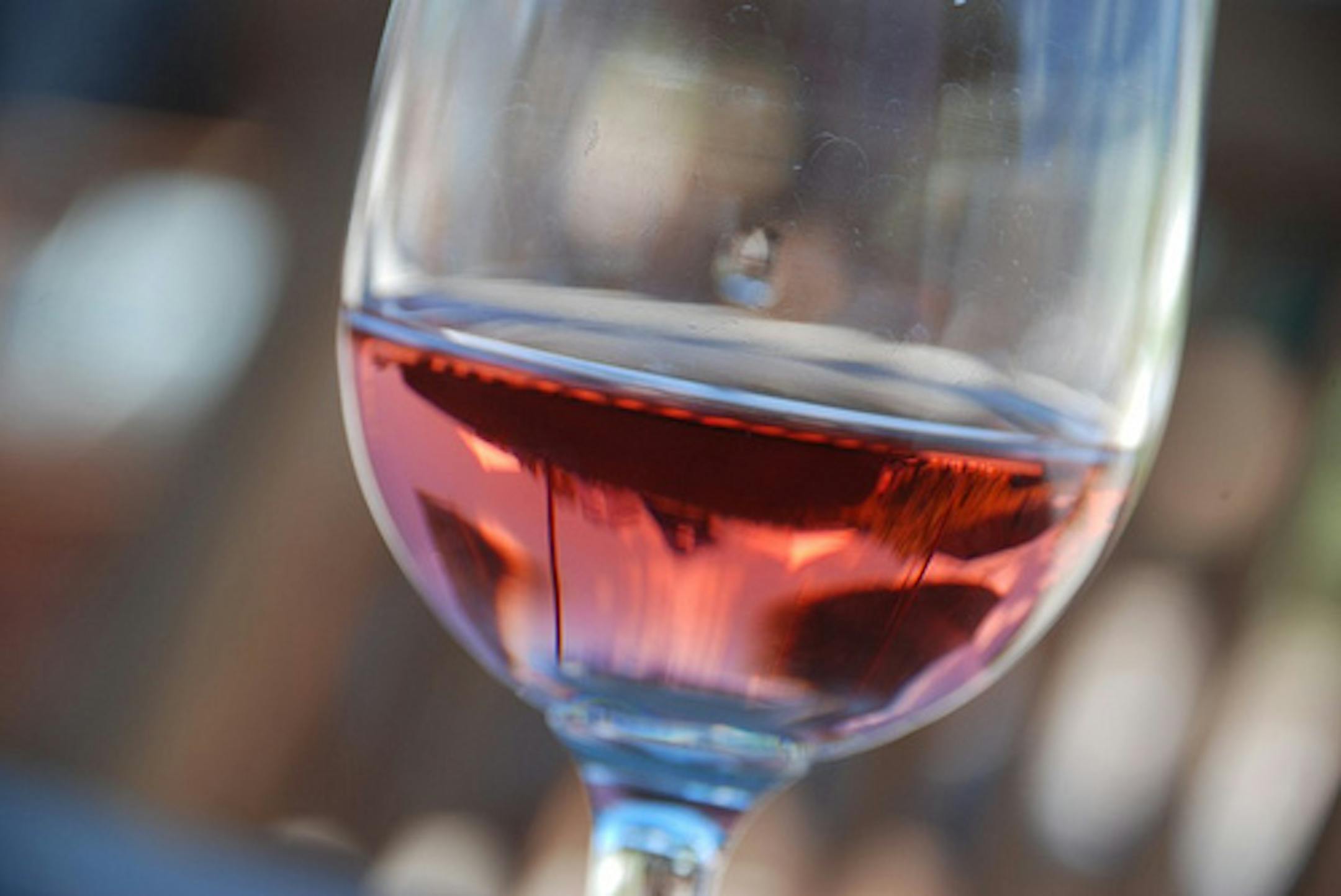
That circle, however, often skips our introductory wine. We look back with shame upon that first bottle we enjoyed so many years ago, be it Sutter Home White Zin, Franzia Chillable Red, or Boone's Farm Strawberry Hill. Reisling? That's fine. Chianti? No problem. But there are just some wines we don't want to revisit. And while in many cases that might be a good idea, it does present a bit of a trap. You see pink wine—often associated with those entry wines—has gotten an unfair and bad rap. The lone bottle of rosé at the party gets passed over like the Spam dip at the potluck, and the person who brought it pretends it isn't his or tries to brush it off as a joke. But rosés go far beyond first blush; they are serious wines and deserve that second chance.
Made from a wide variety of grapes including Syrah, Mourvédre, Sangiovese, and Tempranillo, the primary process of creating the telltale pink of rosés comes through a maceration process. Red-skinned grapes are crushed, and, after a desire hue is presented, the juice is separated from the skins and ferments like a white wine. If the juice stays on the skins for six to twelve hours, the rosé is referred to as "wine of one day." If the maceration process is longer (usually around 24 hours) the wine is referred to s a "wine of one night."