
Red states fighting health law find fewer tools to fight opioid addiction

June 13, 2016 at 11:33PM
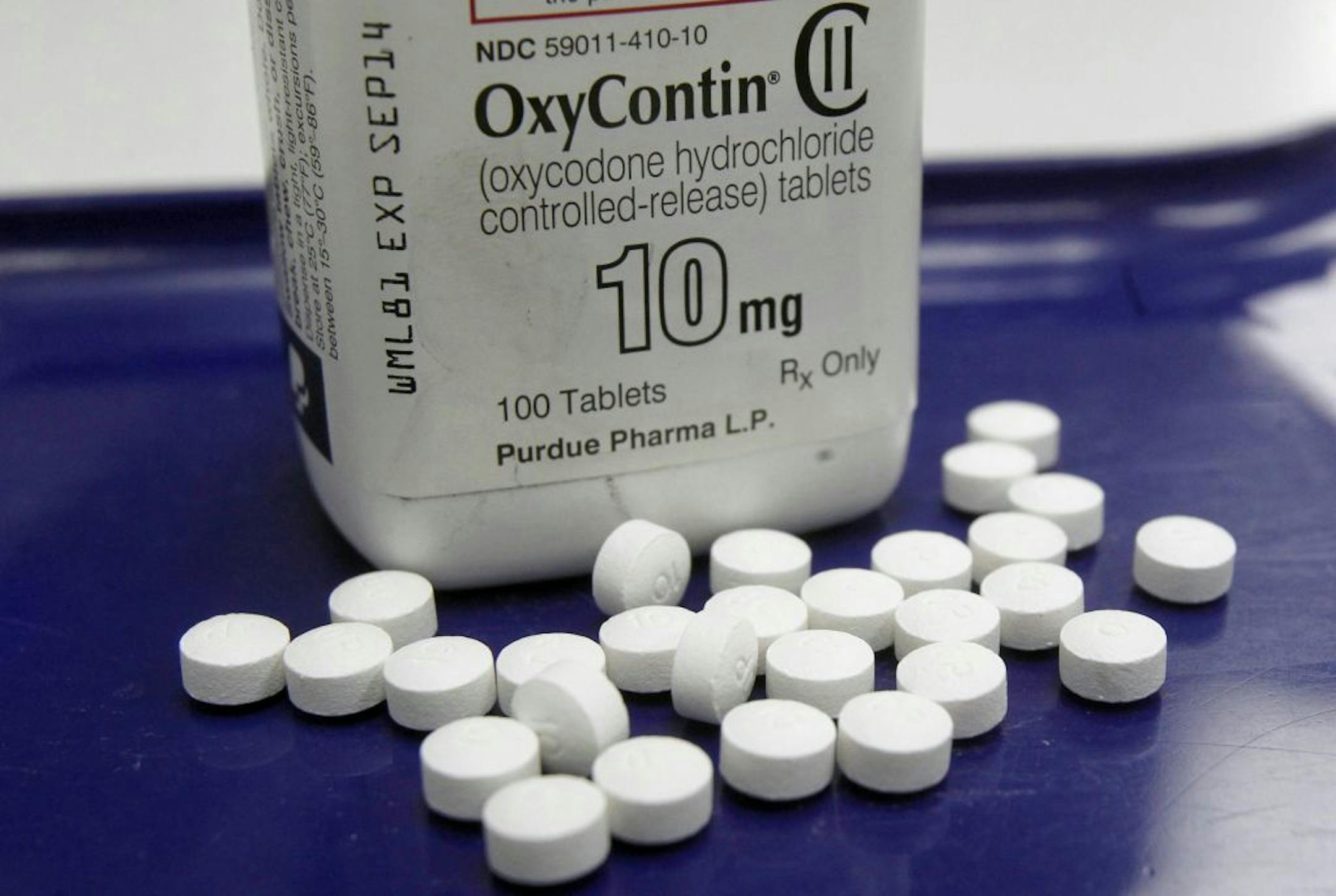
FILE - This Feb. 19, 2013, file photo, shows OxyContin pills arranged for a photo at a pharmacy in Montpelier, Vt. Prescription painkillers should not be a first-choice for treating common ailments like back pain and arthritis, according to new federal guidelines designed to reshape how doctors prescribe drugs like OxyContin and Vicodin. Amid an epidemic of addiction and abuse tied to these powerful opioids drugs, the CDC is urging general doctors to try physical therapy, exercise and over-the-c
FILE - This Feb. 19, 2013, file photo, shows OxyContin pills arranged for a photo at a pharmacy in Montpelier, Vt. Prescription painkillers should not be a first-choice for treating common ailments like back pain and arthritis, according to new federal guidelines designed to reshape how doctors prescribe drugs like OxyContin and Vicodin. Amid an epidemic of addiction and abuse tied to these powerful opioids drugs, the CDC is urging general doctors to try physical therapy, exercise and over-the-counter pain medications before turning to painkillers for chronic pain. (AP Photo/Toby Talbot, File) ORG XMIT: MIN2016031513481131 (Associated Press/The Minnesota Star Tribune)

WASHINGTON – Even as they race to control a spiraling heroin and prescription opioid crisis, doctors, public health officials and community leaders in many states are struggling to get care to addiction patients because of persistent opposition to the Affordable Care Act from local political leaders.

As a result, thousands of poor patients are languishing on waiting lists for recovery programs or are unable to get medicine to combat addiction because they can't afford prescriptions, according to health officials nationwide.

Most states expanded their Medicaid programs through the health law, giving poor adults in those states health insurance and a way to pay for addiction treatment. But 19 states, all with Republican governors or legislatures, have rejected federal aid to expand Medicaid eligibility, effectively making coverage available only to poor children, pregnant women and seniors.

Medicaid expansion would bring billions of federal dollars into Missouri and other states, but opposition is fierce in GOP-controlled legislatures, where lawmakers argue Medicaid is unaffordable.

That has left Missouri trying to cobble together money for addiction recovery programs from other federal grants and state tax revenue. Those funds are limited, however, and waiting lists remain long for many programs, state officials say. Missouri had the 16th-highest rate of opioid overdose deaths in 2014, said the nonprofit Kaiser Family Foundation.

"Not expanding Medicaid has been a tragedy," said Mark Stringer, the state's mental health director.

The opioid crisis, fed by widespread abuse of prescription painkillers and inexpensive heroin, was responsible for nearly 29,000 overdose deaths in 2014, federal data said.

In Nebraska, another state that has rejected the Medicaid expansion, First Step Recovery, an addiction clinic in Lincoln, routinely sees uninsured patients drop out and relapse because they can't afford a sustained treatment program, said Jared Ray, the clinic's substance abuse director.

A 30-day supply of Suboxone, a leading addiction medication, costs $353, Ray said. And a year of treatment can run as high as $10,000, even with hefty discounts the clinic offers to uninsured patients. "It's damn near impossible for many people to get the services they need," he said.

Many of these patients would be eligible for Medicaid coverage if the state expanded eligibility through the federal health law. It is difficult to estimate how many poor, uninsured Americans with substance abuse disorders could qualify for Medicaid coverage in the 19 non-expansion states, but federal data suggest there are likely several hundred thousand.

about the writer

about the writer

Noam N. Levey, Tribune Washington Bureau

More from No Section

See More
FILE -- A rent deposit slot at an apartment complex in Tucker, Ga., on July 21, 2020. As an eviction crisis has seemed increasingly likely this summer, everyone in the housing market has made the same plea to Washington: Send money — lots of it — that would keep renters in their homes and landlords afloat. (Melissa Golden/The New York Times) ORG XMIT: XNYT58
Melissa Golden/The New York Times

It’s too soon to tell how much the immigration crackdown is to blame.