

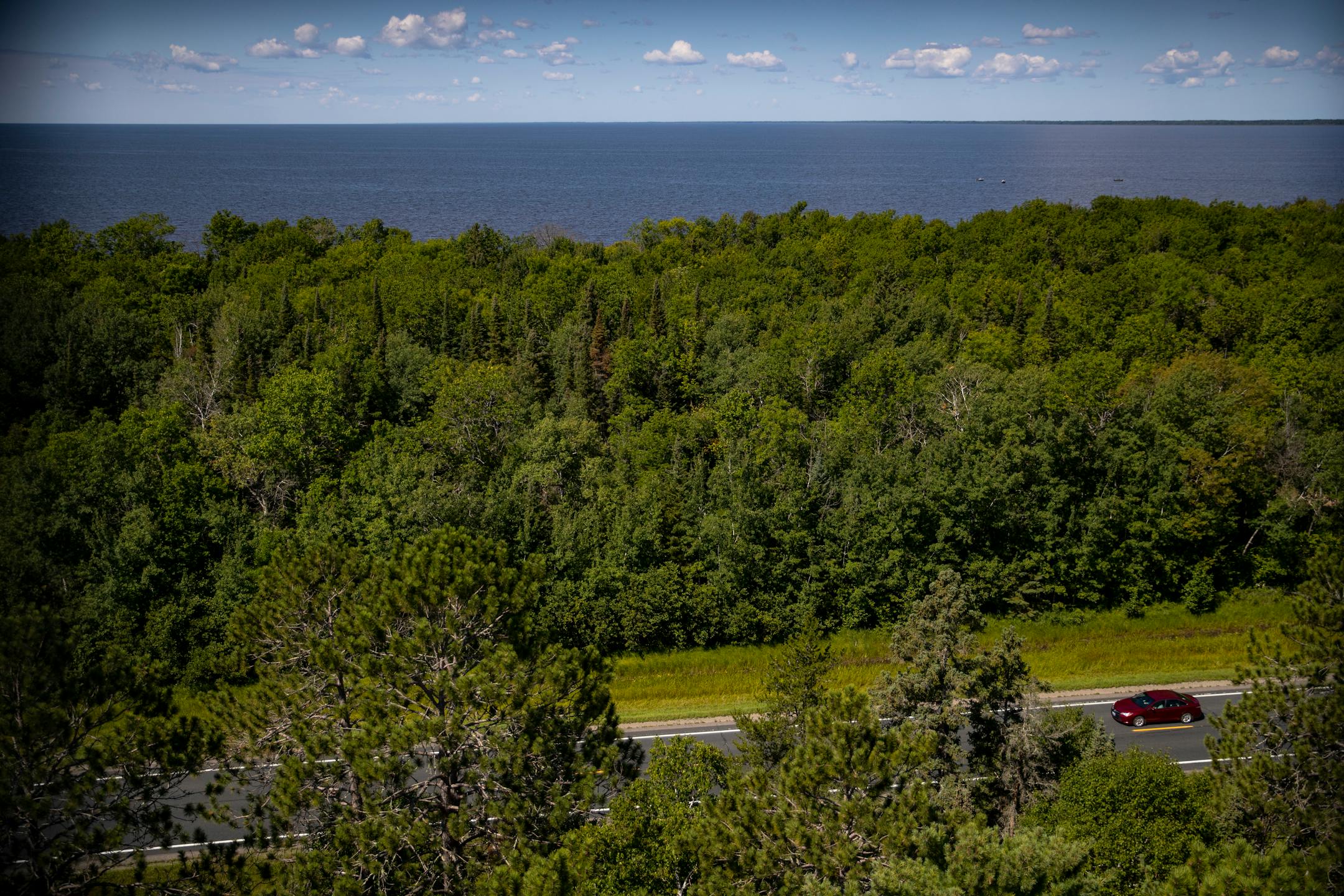
The latest surprise from the Legislature, which is full of them, is that bills have been introduced to give the state-owned portion of Upper Red Lake and a 1-mile buffer of state-owned land surrounding it to the Red Lake Band of Chippewa. For good measure, the proposals also would award the band the 84,000-acre Red Lake State Forest, which abuts the southeast corner of Upper Red Lake.
The DFL-controlled Legislature might or might not have the votes to pull this off, but you have to concede these politicians have chutzpah. “I should never have had to carry this bill,” said DFL Rep. Sydney Jordan, whose Minneapolis district lies some 265 miles from Upper Red Lake. “This is overdue. It’s necessary.”
Well, maybe, and maybe not.
But five will get you 10 that Jordan is not an expert on the 1889 treaty and surveying that gave Minnesota control of 40% of Upper Red Lake, one of the state’s premier walleye fisheries.
The same bet says that few, if any, of her legislative colleagues are treaty experts, either.
Indeed, if anything is to be learned from resolutions of similar matters, it’s that juries, judges and justices, not politicians or policymakers, should be the ones whose thumbs are on the scales of justice.
Either that or it’s Katie bar the door, and whoever is in power at a given moment does whatever he or she wants — such as bequeathing to the White Earth Band of Chippewa the 160,000-acre White Earth State Forest, which also is being proposed this session, and for good measure tossing in Tamarac National Wildlife Refuge, which the federal government is considering awarding to the same tribe.
It’s useful here to recall the approximately 10-year legal marathon that preceded the 1999 U.S. Supreme Court decision in Minnesota v. Mille Lacs Band of Chippewa, which was decided 5-4 in favor of the band, a decision that was vigorously supported by the court’s majority while equally vigorously opposed by its minority, led by Chief Justice William Rehnquist.


