

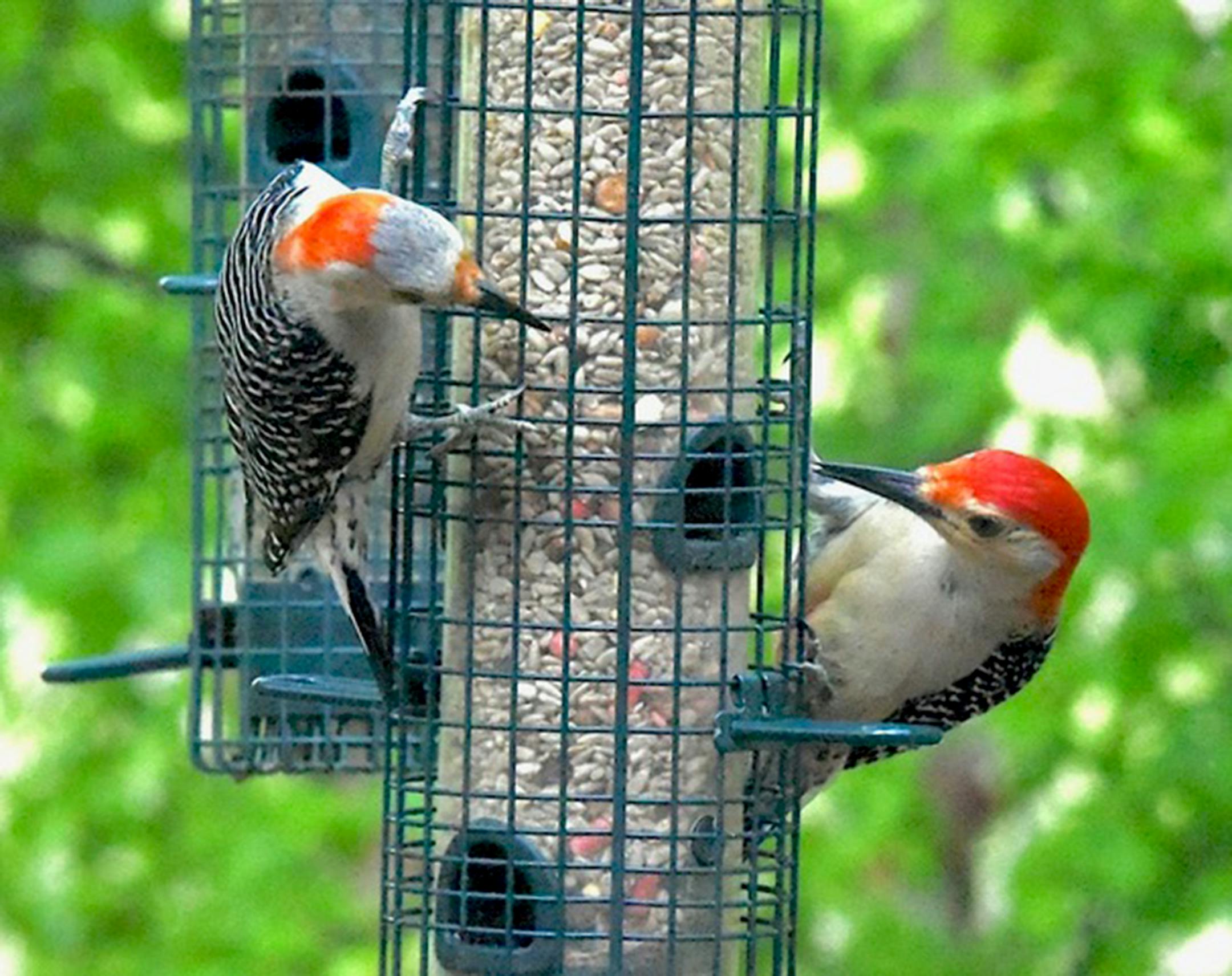
Q: I occasionally see a big woodpecker with an orange head at my suet feeder. What is it and what else does it like to eat?
A: I can understand your wish to see more of one of our largest and most handsome woodpeckers, the red-bellied woodpecker. It's named for the slight rosy wash on its belly, instead of the more-noticeable gleaming orange-red wash on its head. They're not hard to please: Just offer sunflower or safflower seeds, shelled peanuts, and, in summer, oranges in addition to suet cakes. This woodpecker has a distinctive chortle call — you can hear it at All About Birds — type in the species name, then click on "Sounds."
Birds vs. spiders
Q: I saw a bird pecking at a spider web and it led me to wonder: Do birds eat spiders?
A. Good question and yes, many birds eat spiders because they are a rich source of protein. And many birds feed small spiders to their nestlings, since arachnids contain an amino acid that boosts young birds' intelligence. But birds also make use of the webs themselves: Many birds know that spider webbing expands under pressure, just what's needed for a nest that needs to grow as its occupants do. Hummingbirds, for example, make good use of webbing in their tiny nests. So, spider webs make an excellent building material and spiders make a good meal.
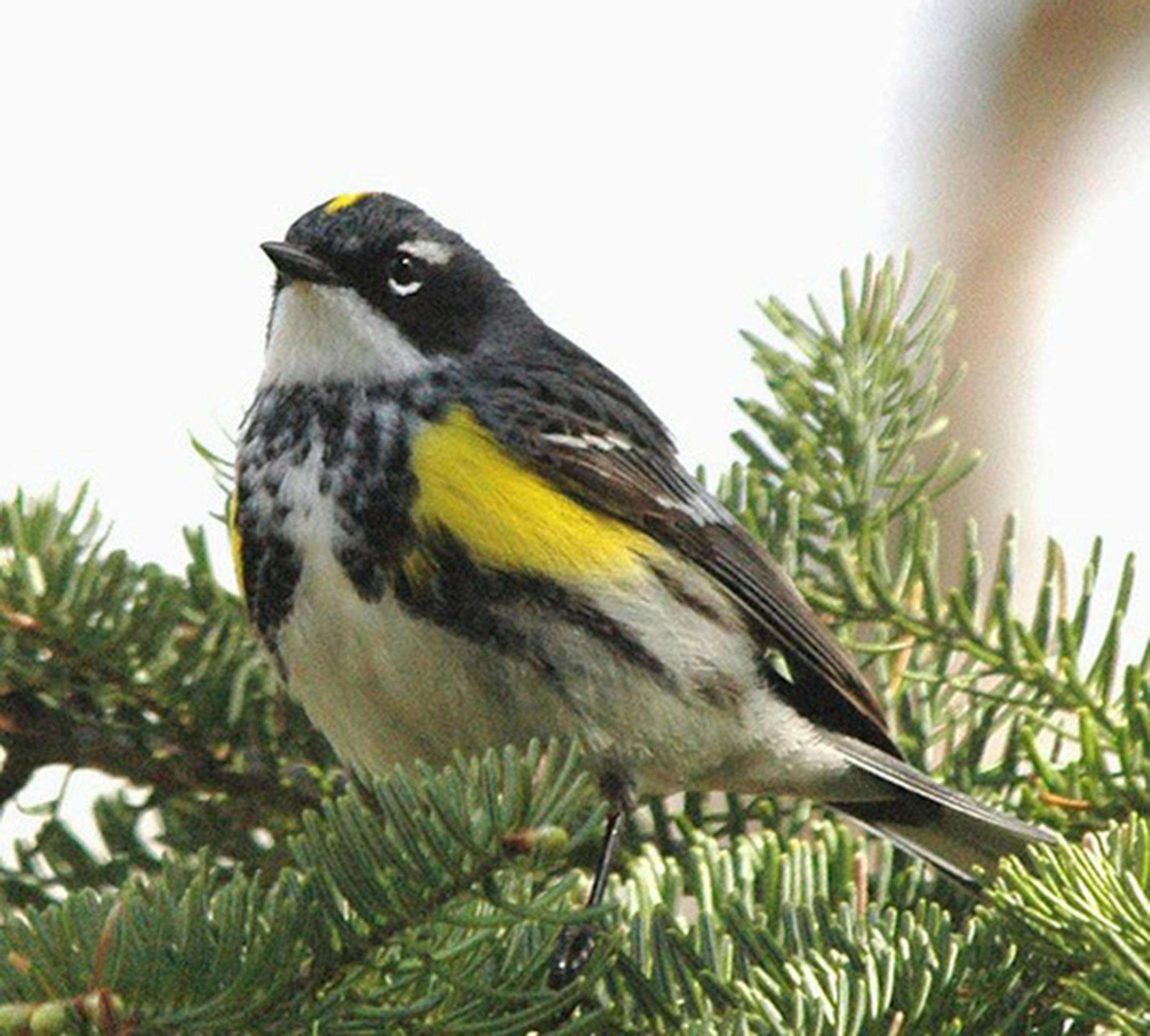
Warbler bait?
Q: I would like to attract warblers to my feeders, but I can't seem to find any information on this. They're such beautiful birds and I would like to see more of them.
A: Warblers are gorgeous but the reason you don't find many references to them visiting feeders is because this family of birds is very focused on insects. They return to our area in the spring just as insect eggs are hatching into caterpillars — this is what fuels warblers as they head to their breeding grounds. However, during long, cold springs when insects are scarce, some warblers will visit suet feeders for a high-energy meal. Some species will slurp up sugar water and grape jelly set out for orioles, if they're hungry and can't find insects.


