Twin Cities residents buy about 350,000 new mattresses each year, according to the International Sleep Products Association. Of the old ones they replace, about half are reused or given away.
But the other half are discarded or dumped, causing problems when the mattresses -- designed to last, not biodegrade -- take up space without breaking down in landfills. Their sturdy steel springs are so difficult to compress that they can damage compactors, so entire mattresses end up getting dumped in landfills, where they tend to float to the top after other trash decomposes, dirty but intact.
Finally, in an age of increasing environmental awareness, mattress-recycling operations are beginning to crop up. Minnesota now has two, including one in southeast Minneapolis that's been fully functional since April.
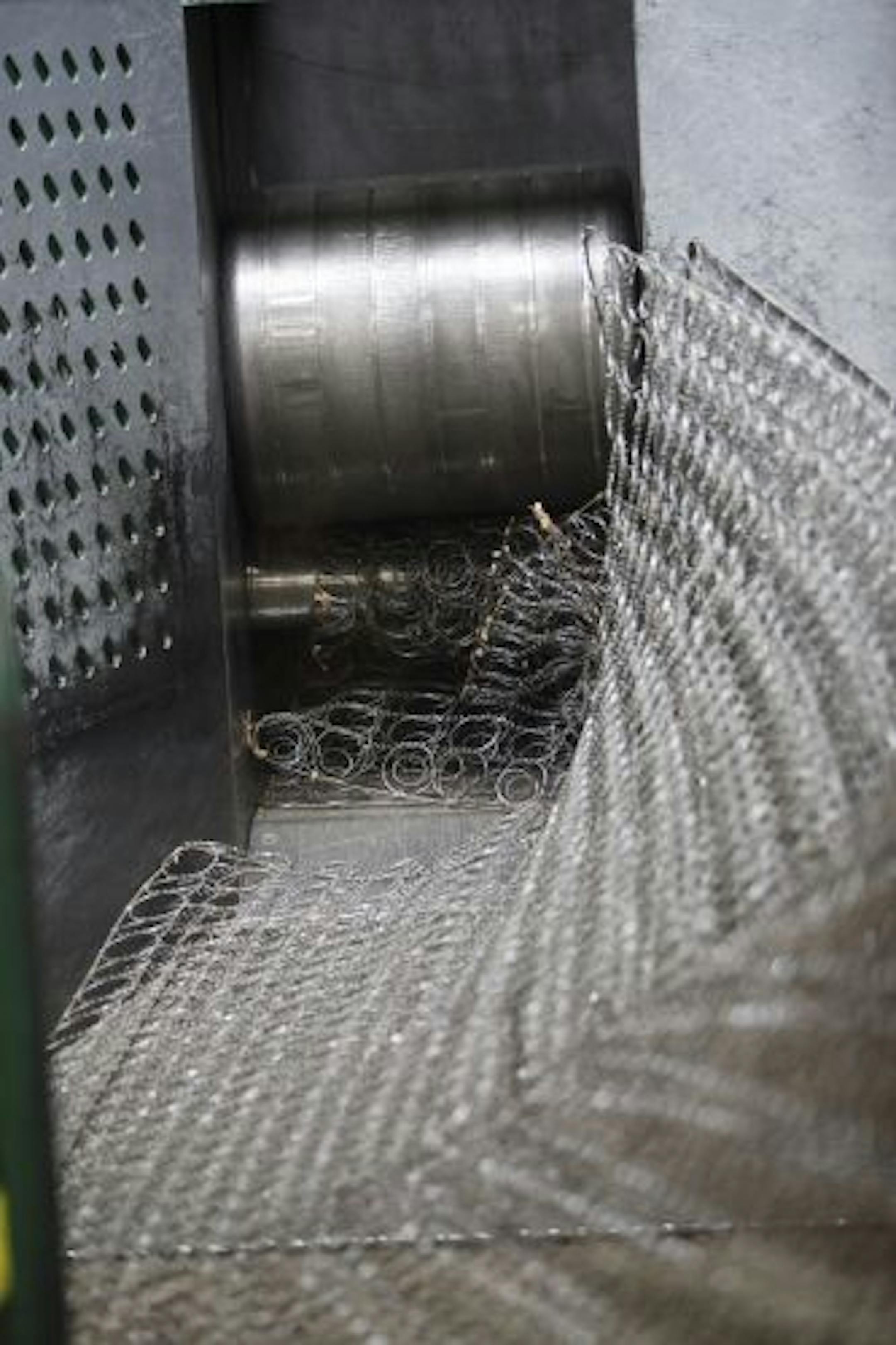
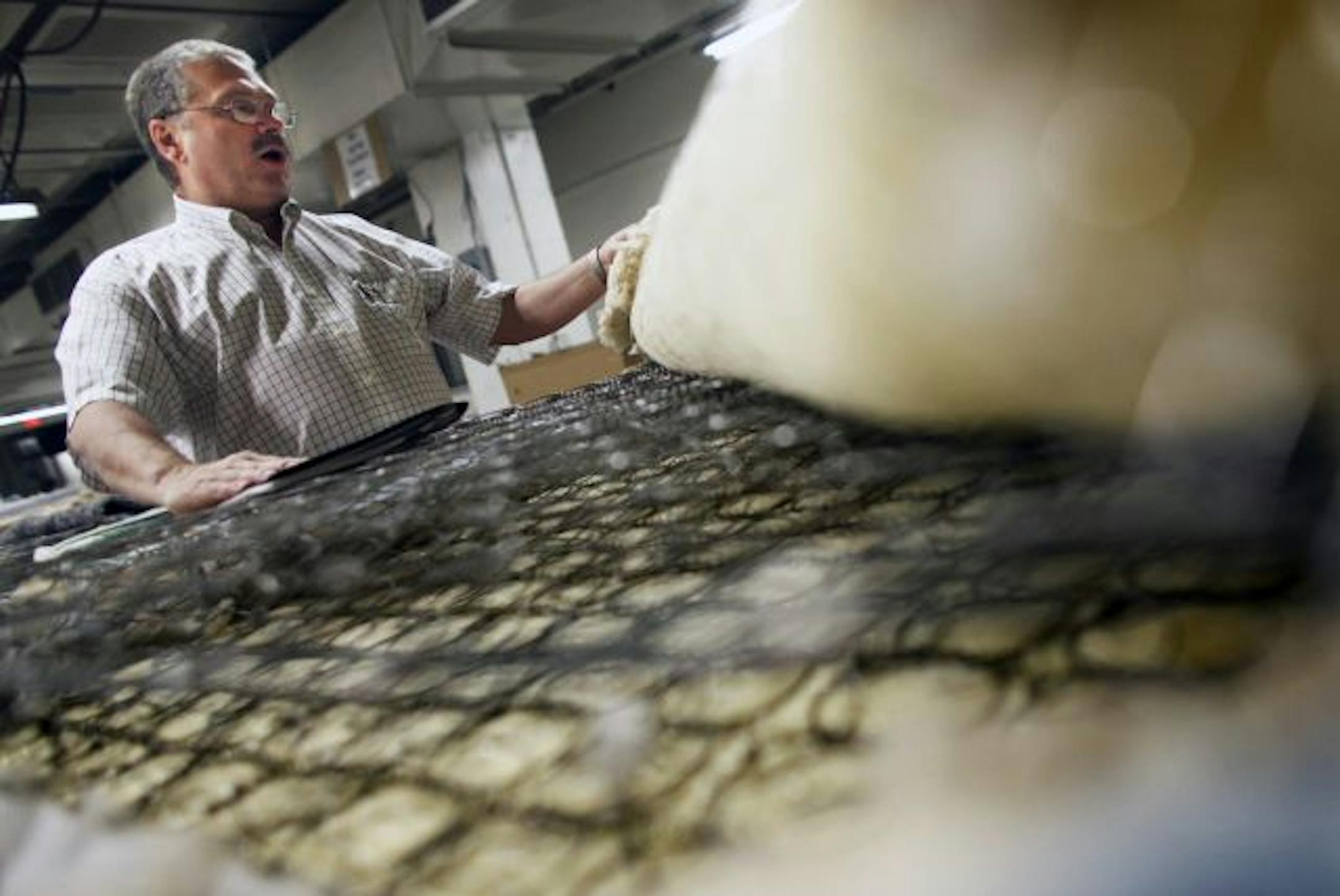
"Welcome to Mattressville," Douglas Jewett said as he meandered through the basement of a Minneapolis warehouse on 15th Avenue SE., where dozens of mattresses stand on end, waiting to be stripped and gutted so the materials in them can be put to new uses.
A $200,000 start-up boost from Hennepin County helped Jewett -- chief operating officer for PPL Industries, a nonprofit that offers hands-on skills training -- start the service.
"Everything has to be recycled," said Jewett, who has a manufacturing background and has led recycling programs before. "The longer you wait, the more it costs to get it back."
And when mattresses are filled with materials that could have lives beyond their original uses, such as the steel innards and polyurethane foam, finding a way to redistribute those commodities for reuse makes sense, Jewett said.
The recycling process