

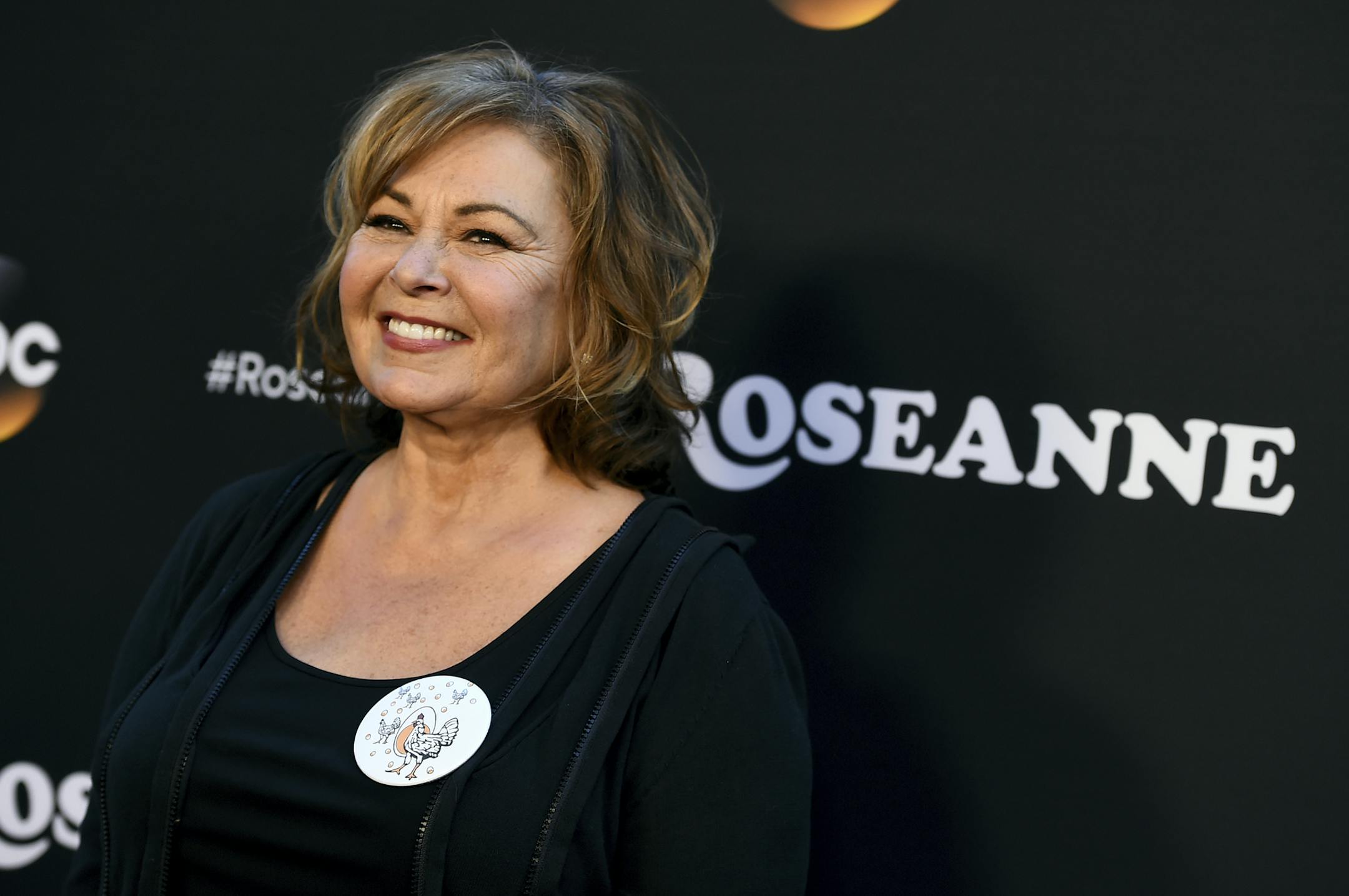
Finally, for the first time, someone has tried to explain 2016's shock election of Donald Trump as president of the United States! OK, OK, I kid — The Donald's pundit-defying win on 11/8/16 was the loss-of-face that launched 1,000 ships, each vessel filled with books, magazine think-pieces, think-tank bloviations and newspaper reports from Formica-frozen diners in southern Ohio with the goal of making sense of the seemingly senseless. But clearly, the vast American populace that doesn't subscribe to the New Republic was waiting on its explanatory journalism in the easier-to-digest situation-comedy format.
Yes, "Roseanne" is back, and now the TV show that won both praise and high ratings starting in the late 1980s for using humor to dramatize the slip-sliding-away travails of the white working class in Rust Belt America is back to tell us why the white working class in Rust Belt America is now voting for Trump. It's a timely mission with an added twist: Roseanne Barr doesn't just play a Trump supporter for the cameras, she voted for the current occupant of 1600 Pennsylvania Av. in real life.
That made for what Variety might call boffo box office. Last week's first episode of the reboot of a show that aired for nine seasons in the 1980s and '90s was TV's highest-rated sitcom episode in years, with the biggest shares in blue-collar metro markets like Pittsburgh and Detroit, in states that tipped the 2016 election to Trump. No wonder the notoriously ratings-obsessed president picked up the phone to congratulate Ms. Barr (even as some Gold Star families still wait for the White House on their caller ID). A man who won the nation's highest office as a reality-TV star congratulating the creator of a fictional TV show for showing America the reality of Trumpism. Sounds right.
I went back and watched the first episode of "Roseanne," and it's funny in that 20th-century sitcom way, skilled at reintroducing characters who've been away for 20 years, and often acerbically sharp at describing middle-class life in the 21st century, from the panoply of unaffordable prescription drugs to the indignities of both looking for work and actually finding it by driving for Uber or becoming a surrogate mom. The feud between Trumpism and the pussy-hatted resistance portrayed by TV's Roseanne Conner's sister Jackie (played by Laurie Metcalf) was both the core of the episode — and its weakest link.
"He talked about jobs, Jackie," says Roseanne in the show's most quoted line. "He said he'd shake things up" — transitioning to her own family's money and job troubles. It sounded a lot like a line from the New York Times' umpteenth "Report from Trump Country," but without the caveats that Trump's actual "jobs" programs have either failed to go anywhere (anyone remember infrastructure?) or seem counterproductive, like the new trade wars, or that the undrained D.C. "swamp" remains swimming with lobbyists and insiders under "45."
The fictional show veered slightly closer to explaining why Trump won when Roseanne vented her rage at Hillary Clinton, complaining that her sister "thinks every woman should grow up to be president, even when she's a liar, liar, pantsuit on fire." The reboot of Roseanne brought us their unchanged-since-1988 living room and its central, comfy couch — but until the camera turns the other way and shows their TV turned to Fox News Channel about nine hours a day, it shouldn't pretend to explain Trumpism.
Back before it grew to be too much and far too tiresome, I used to read all the bacon-dripped articles from West Virginia coal country talking to Trump voters — where the economic anxiety in the form of lost jobs, flat wages, and struggling families was real and palpable, but often not the thing people mentioned to explain their votes. Fear and loathing, but mainly loathing, of Hillary Clinton hung in the air like 1950s coal dust, and while there were valid reasons to be wary of the Democratic nominee, these were not the reasons stated, but more likely the "Fox & Friends" conspiracy of the week, especially the idea that Clinton somehow caused the death of four Americans in Benghazi. "That she left [the four Americans] there, that they weren't her priority," one 18-year-old Trump voter told ProPublica in a story published two days after he won.
And here's the thing — Hillary pseudo-scandals like Benghazi or the massively overhyped "but her e-mails" are just the ones you could talk about in the polite company of a journalist from New York. We are just now, a year-and-a-half later, learning the full extent of the tsunami of divisive "fake news," targeting Clinton, or aimed at discouraging college students or black people from voting, that inundated Heartland communities that look like the one where the fictional Connors reside. That Hillary was in failing health. That as secretary of state she intentionally sold weapons to ISIS. Or the real wild stuff, like "Pizzagate," the (debunked, of course) notion that Hillary and her closest supporters are tied to a child sex-trafficking ring. Some of it spread by Russian trolls working for Vladimir Putin.


