

With all due respect to Stillwater -- its larger urban neighbor up the St. Croix River dubbed the "Birthplace of Minnesota" -- Denmark Township can lay claim to its own significant pieces of early state history.It's home to the state's first family farm (founded by Ephraim Whitaker in 1846 on the bluffs overlooking the Mississippi River); the first post office outside of Fort Snelling (built by two enterprising young men in 1840 in Point Douglas, a once-thriving city where the St. Croix and Mississippi rivers merge); and the starting point for two of the state's five first major roads (the remnants of the most important one, built in 1851 to link Point Douglas and Duluth, can still be seen in a cliffside gash along what is now Hwy. 10 heading into Prescott, Wis.).
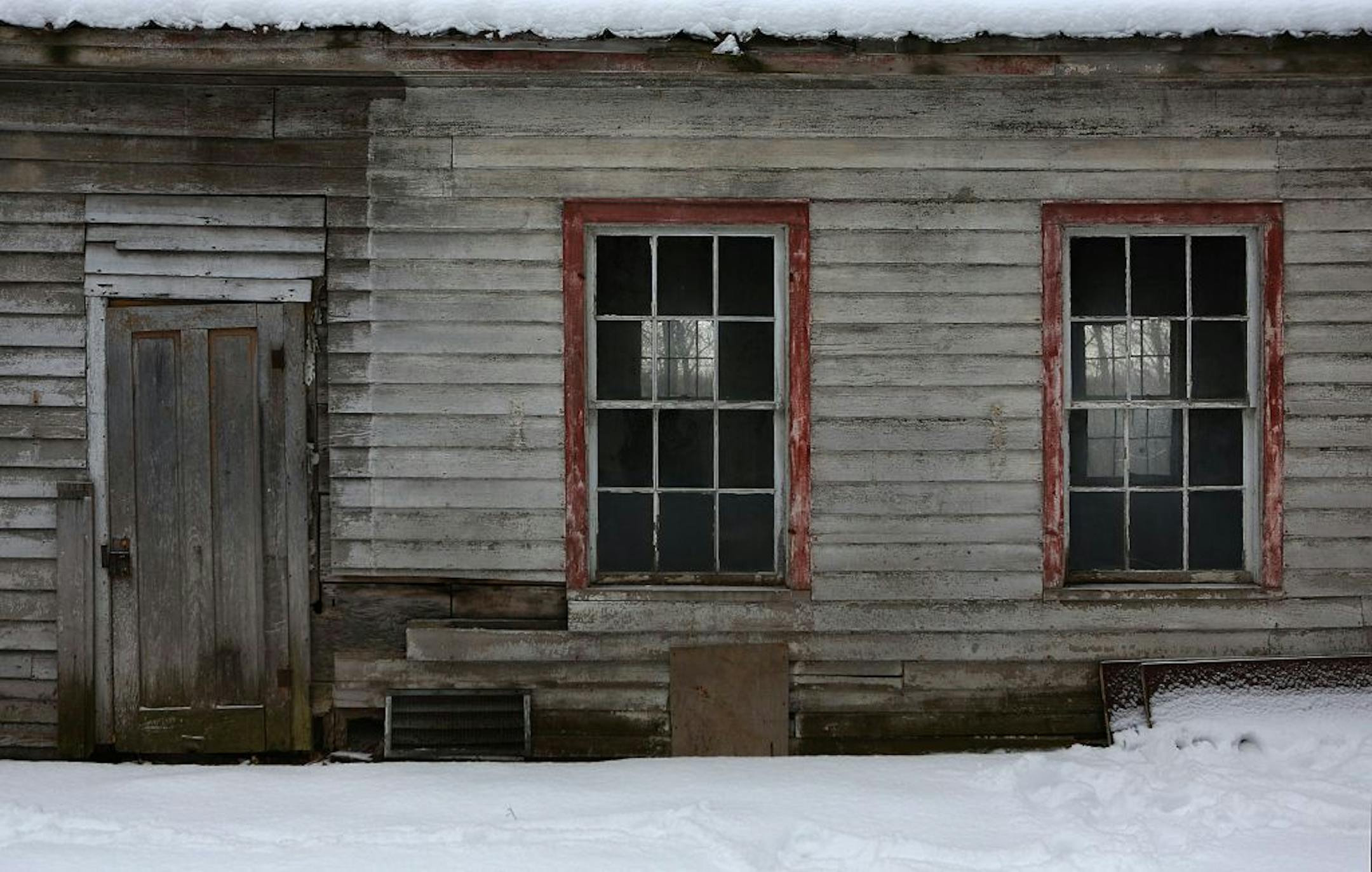
And nestled on an easy-to-miss hillside at the southern end of St. Croix Trail, a graying white wooden building standing on a stone foundation is probably the earliest school building in the state.
Efforts to save and restore the Valley School -- which dates from 1852, when it was built to replace a log cabin that had burned down -- reached a turning point last year when the small but dedicated Denmark Township Historical Society purchased the building.
The group aims to make its final payment on the building this year, then start the work of restoration.
"We've made a lot of progress," said Mavis Voigt, who, with her husband, Bob, are part of the society's efforts. "We're going to be successful, but it's kind of an uphill battle to raise funds."
Thanks to a lot of sweat equity by society members -- in the form of bake sales, raffles and other fundraising efforts -- and the worthiness of its cause, the group is looking to leverage some help with their goal, she said.
A little more than a year ago, society members realized a long-held dream when they reached an agreement to buy the building, including its nearby outhouses, and surrounding one acre of land for $80,000. The first payment, $40,000, was made last May 1, making them the building's owners. Since then, three payments of $5,000 each have been made, with another $25,000 to go by this coming May 1.
Then the real work begins.


