

•••
Like all of us in Minnesota, I am reeling from the deadly shooting at Annunciation School and Church. The grief and fear follow me into daily life — especially when I hug my kids at the bus stop each morning in Minneapolis. Then, as I turn to my work as a community-based psychiatrist, I find myself thinking not only about the beautiful lives lost but also about the fragile systems we rely on to prevent such tragedies.
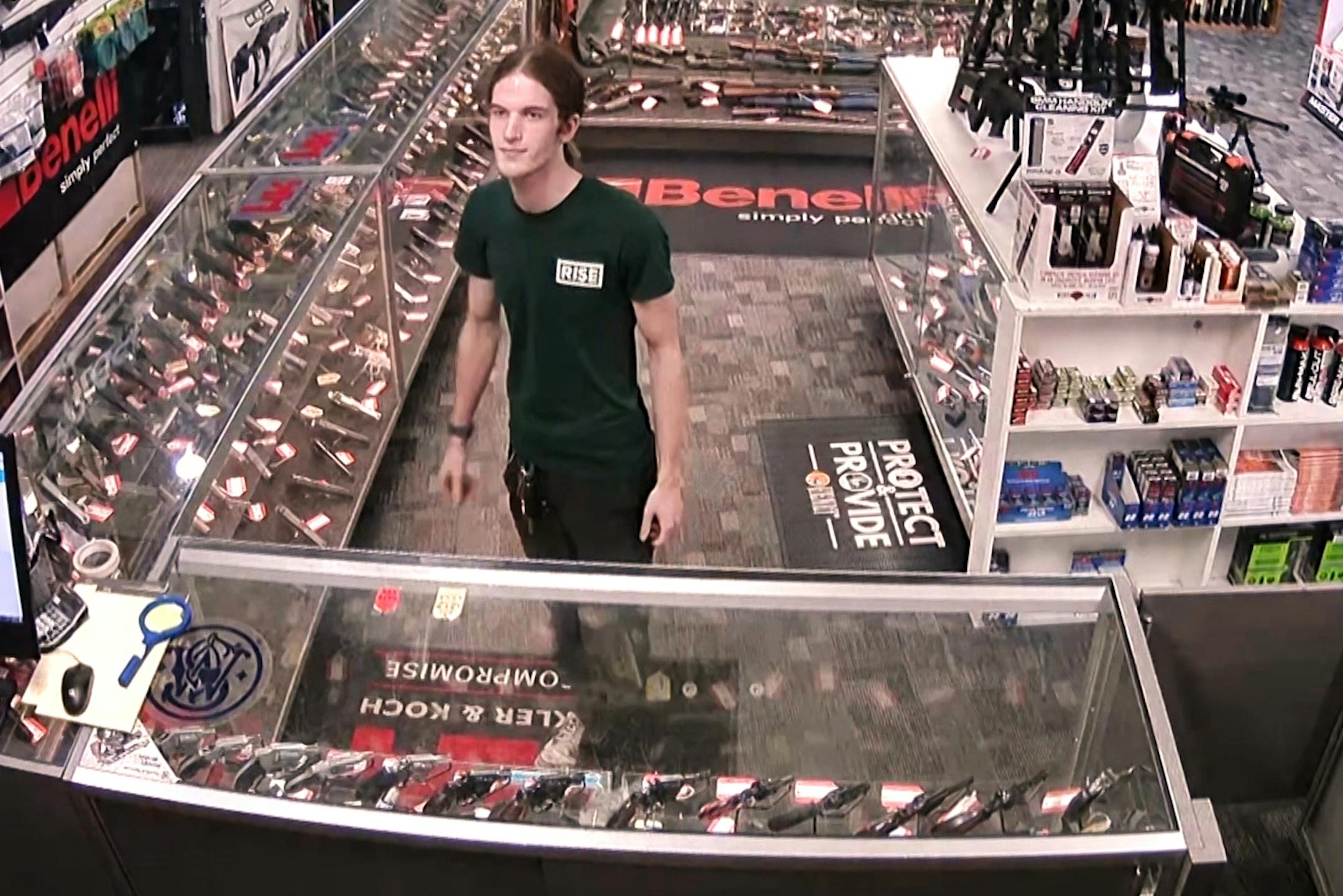
The Star Tribune article describing a gun shop owner’s reflection after the mass murder highlights something deeply unsettling: The “vetting” of firearm purchasers is being carried out by retail employees whose training, by their own account, amounts to trusting gut feelings and the “vibe” (“Footage shows Westman at gun shop,” Sept. 9). That is not a system. That is wishful thinking.
In psychiatry, even trained professionals cannot reliably predict who will go on to harm themselves or others. Those with the strongest intent often work hard to conceal it. But we don’t just look at someone’s demeanor casually — we ask. “Are you thinking of killing yourself? Are you thinking killing other people?” It’s not perfect, but it gives a person the opportunity to disclose and it allows us to observe their response in a structured way.
By contrast, whatever training gun shop employees receive does not appear to include standardized, evidence-based methods. In public health, we already have models like CALM (“Counseling on Access to Lethal Means”) and QPR (“Question, Persuade, Refer”), which teach people how to ask directly, recognize risk and connect individuals to help. If we are depending on retail clerks to act as gatekeepers to lethal means, why wouldn’t we require this level of training? Selling firearms without rigorous preparation is like handing out prescription opioids without training physicians to recognize misuse or overdose risk. And in fact, some argue that is exactly what happened, fueling the overdose crisis. In both cases, lives hang in the balance — and gut feelings are not good enough.
The reality is that we are asking retail employees to serve as the last line of defense against gun violence — a role that is both unfair to them and profoundly inadequate for the rest of us. If this is the system we are relying on, then it must be backed by real, evidence-based training and structured point-of-sale interviews, not just a “vibe.” Lives depend on it.
Sara Polley, Minneapolis


