

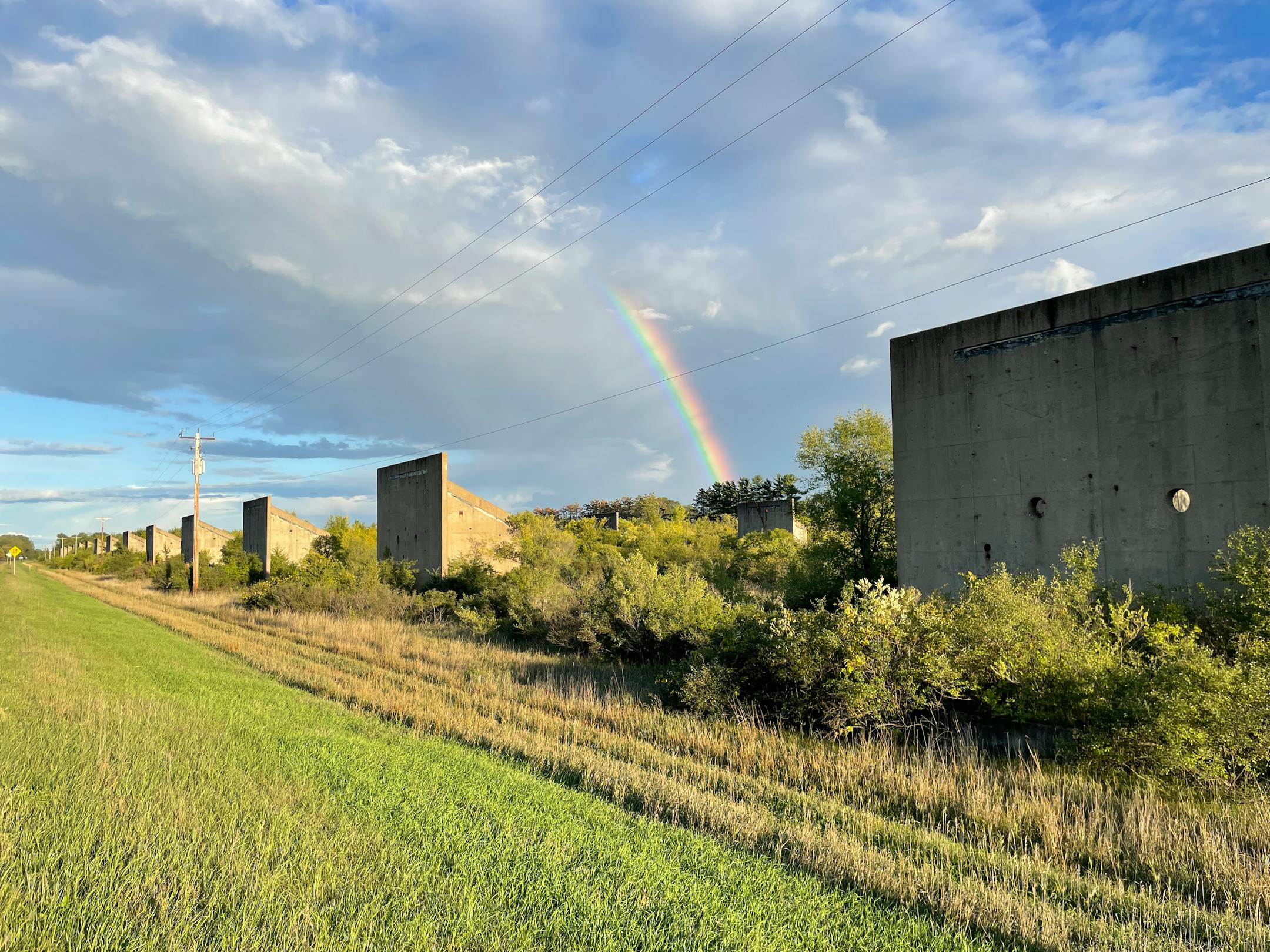
The history of UMore Park deserves attention for more than its location as a site for manufacturing gunpowder ("Neglected local history must be preserved," Opinion Exchange, Nov. 7).
In 2008 the University of Minnesota administration decided to transform UMore Park into a unique combination of a commercial gravel pit and a utopian residential community.
The gravel pit is now located on land that was used for agricultural research essential to the state economy. Professors from the College of Food, Agriculture, and Natural Resources described the value of large tracts of land near the campus for research that requires decades for development and analysis. They explained that not all soil is the same. No one in the administration heeded their warnings until 2015 when the administration finally recognized that the present value of the loss of the land for research was more than $71 million over the term of the 40-year mining lease. In 2016 the administration mitigated the amount of the loss by amending the lease to delay mining on certain portions of the land.
The plan for the residential community was quietly dropped after the administration spent more than $12 million on the project. This history teaches us (once again) how easy it is to spend other people's money.
Each biennium the citizens of our state invest more than $1 billion in the U in general appropriations. With that much at stake, the Legislature should appoint a qualified person to monitor the operations of the university and the use of state appropriations on a continuing basis. This legislative liaison (or watchdog) should have the responsibility to review information produced by the administration, to collect additional information through independent research and to meet with all groups at the university so that the perspectives of other well-informed and thoughtful members of the university community are presented to the Legislature.
Michael W. McNabb, Lakeville
STREETCARS
Ah, the bad old days
The article about the streetcar fraud and Fred Ossanna rang a loud bell for me ("Was organized crime behind streetcars' demise, buses' rise?" Nov. 7). In 1957, my parents were approached by Fred Ossanna to be the restaurant and kitchen managers at his hotel, the Park Plaza, on Hennepin Avenue around 13th Street. It was a surprise when I came home from school one day to see this big white Cadillac parked in the driveway. In the house was this slick-looking businessman in discussion with my parents. They accepted the proposal and in a month were in charge of the kitchens and dining rooms at the hotel.
But after a couple of years we were forced into opening our own restaurant when Ossanna was indicted. The feds came one morning and put padlocks on the doors of the hotel. All the elderly permanent residents of the hotel had to move out. We were shut down. When my parents arrived at the hotel that morning they couldn't get in. The FBI was there monitoring the situation and fortunately did let my parents in to get their record books and tools. But, we were left blowing in the wind.

