

•••
The problem with education is that everybody, having once been a student, considers themselves an expert on the topic. Thursday’s letter to the editor “Fewer hours, lower pay” about teacher wages really missed the mark. The writer considered that Minnesota teachers only work 165 days a year, and as such, tried to make a case for teachers receiving low pay. (Opinion editor’s note: Minnesota law requires a minimum of 165 days of instruction.)
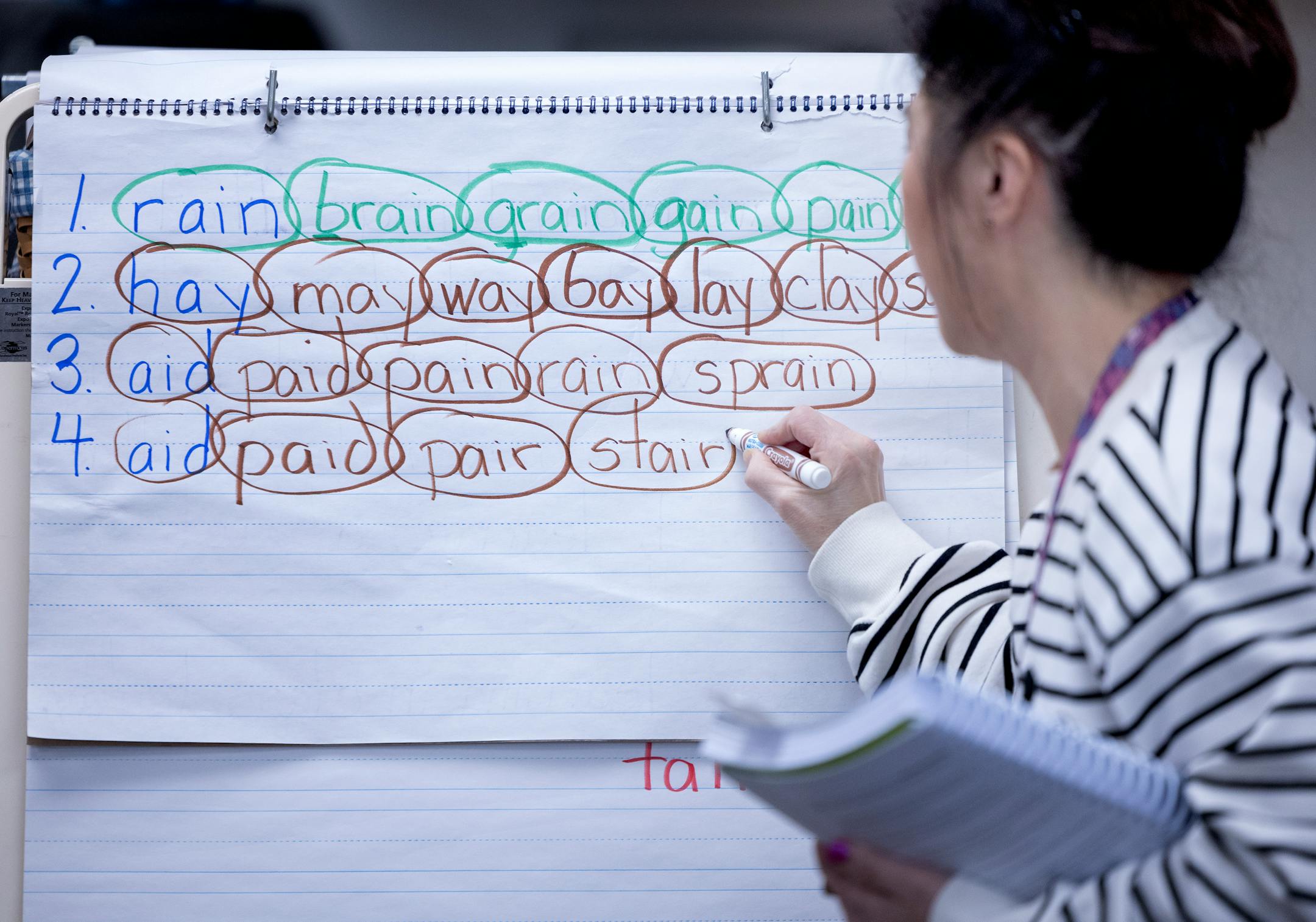
However, when an argument starts with faulty statistics, it’s bound to fail. Here in Minneapolis Public Schools, teachers work 196 duty days. That’s six weeks longer than the writer argued. Additionally, those 196 days are pretty intense. As a high school teacher, I see an average of 150 students in and out my door each day. Those students vary in reading abilities and English language levels, and a good teacher meets their needs as individuals. This requires extensive time for planning, yet there is little time in the school day for lesson planning and grading. Most of these duties occur after school hours.
The profession of teaching is widely disrespected, and whether that stems from ignorance, misogyny for a profession that’s largely female or, perhaps, just anger for a job perceived as easy, I am not certain. But please, get your facts straight before spouting off. Teachers earn every penny they are paid and deserve more.
Maureen Mulvaney, Minneapolis
The writer is a Minneapolis Public Schools teacher.
ACCOUNTING
‘Anti-licensing’ claims fall flat
I would like to add an endorsement to the letter “It’s about incentives, not an ‘agenda’” from March 21. I am also an accounting educator and a licensed CPA, having taught over 25 years at Bethel University. We have seen a decline in students pursuing CPA licensing due to the 150-credit requirement pushed by the American Institute of CPAs. What Marta Zaniewski, the writer of Wednesday’s opinion piece “Neither you nor accountants should fall for an anti-licensing agenda,” also failed to mention is that: (1) Becoming a CPA in Minnesota will still require passing the CPA exam, a rigorous test of knowledge and critical thinking, and a test written and graded by the American Institute of Certified Public Accountants. (2) Licensed CPAs will still be required to complete 40 hours of continuing professional education every year to maintain their license. (3) Most educators and members in the profession endorse the proposed legislation to change CPA licensing before the Minnesota Legislature.

