

•••
In his Jan. 3 commentary on the U.S. space program, Ron Way offers the ultimate sucker's choice: spend a penny on space exploration, and you've turned your back on the future of the planet and its people. And, by implication, if you direct space spending to the prevention of global warming, you've underpinned a brighter, cleaner future ("Space: The final boondoggle," Opinion Exchange).
But people — and budgets — don't work that way. We can have many priorities and allocate dollars based on their importance to us. And in establishing those priorities, it's most important to understand how much it costs to get what you want.
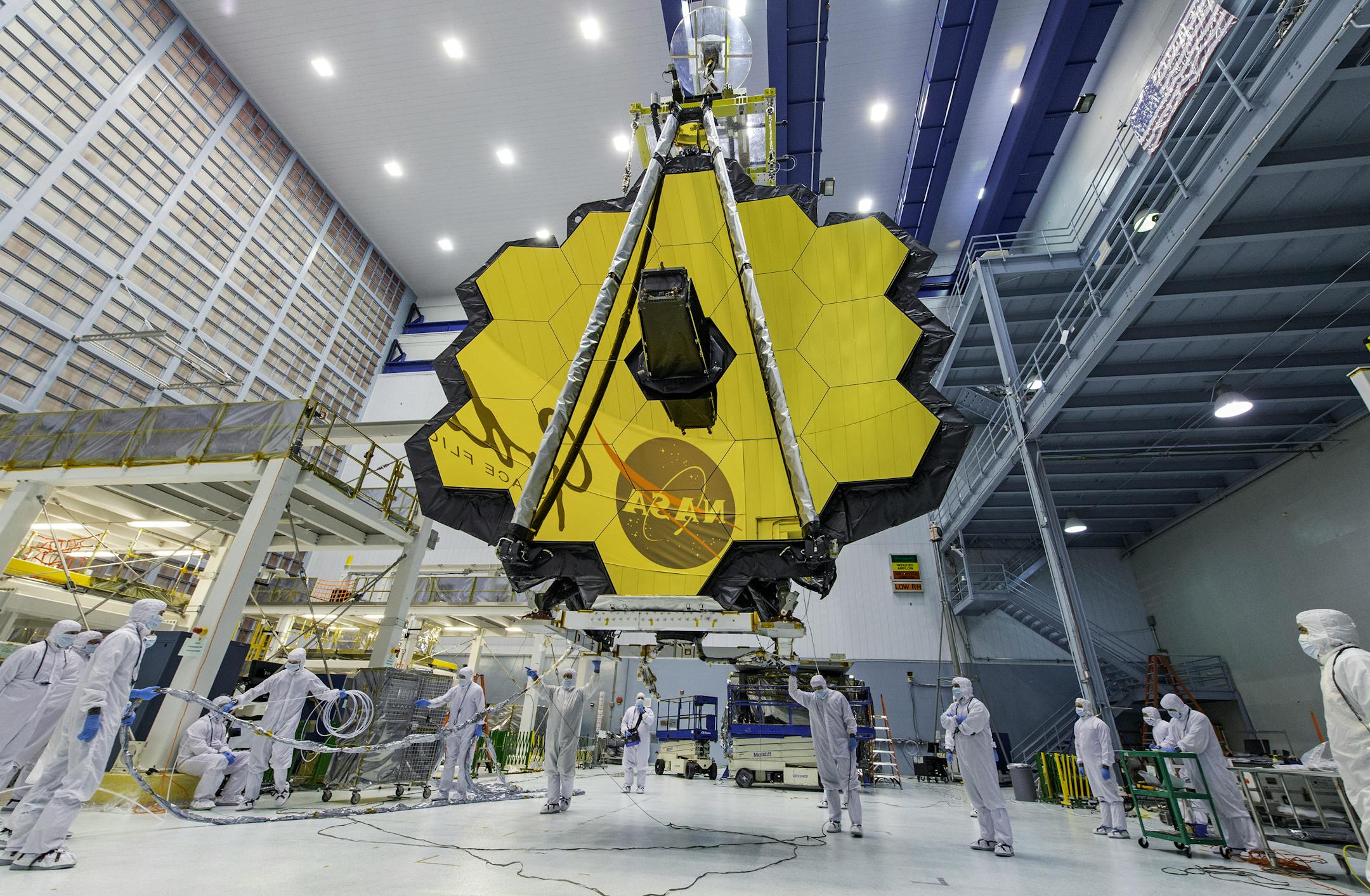
It's easier for humans to make relative comparisons of large numbers using percentages rather than actual dollar amounts, and doing so enables clearer discussions about priorities. The 2022 NASA budget was $29.2 billion, and federal spending came in at $6.27 trillion, so NASA thus consumes about 0.5% of the total federal budget. For reference, Social Security comes in at 19.4% and defense spending at 12.2%. Wikipedia lists "other" at $193 billion, or just over 3%.
McKinsey, the consulting firm, has published reports estimating that to reach net-zero emissions by 2050 will require additional worldwide expenditures equal to half of global corporate profits and one quarter of total 2020 tax revenue. That's $3.5 trillion in additional annual spending worldwide. In relative terms, that's about half of U.S. federal spending, or 100 times NASA's annual budget.
Regardless of how this challenge is met, it won't be through gutting NASA's budget, or by adding in the budgets of the National Park Service and the Smithsonian to make things go a bit faster. It won't be solved by rearranging priorities within current government budgets, period. Climate change will take additional money, and it should come from those who benefit from our carbon-based economy and can afford to pay. Requiring additional tax revenue from corporations and wealthy individuals is a good place to start.
John Ibele, Minneapolis


