

•••
Minneapolis has been a leader in commercial tobacco prevention for decades, and now isn’t the time to get cold feet. The proposed commercial tobacco ordinance before the Minneapolis City Council will protect our neighbors, especially those from historically marginalized communities whom the tobacco industry wants to keep addicted no matter the cost.
I’ve watched my father spend his last dollars on a pack of Newport menthol cigarettes using coupons from certain gas stations he knew had “good” deals. He looked for any deal or discount to make purchasing his pack easier. The tobacco industry knows that pushing price discounts and coupons in neighborhoods with more school-aged youth and Black residents will keep these groups from ever quitting. It’s racist and predatory. Council Member Andrea Jenkins claiming that smoking is a relief from “being Black in America” is dangerous. The industry wants Black people to believe that smoking, especially smoking menthols, is a way to destress, but the personal cost of smoking is huge, and racial health disparities only continue to get worse. We need other support systems in place.
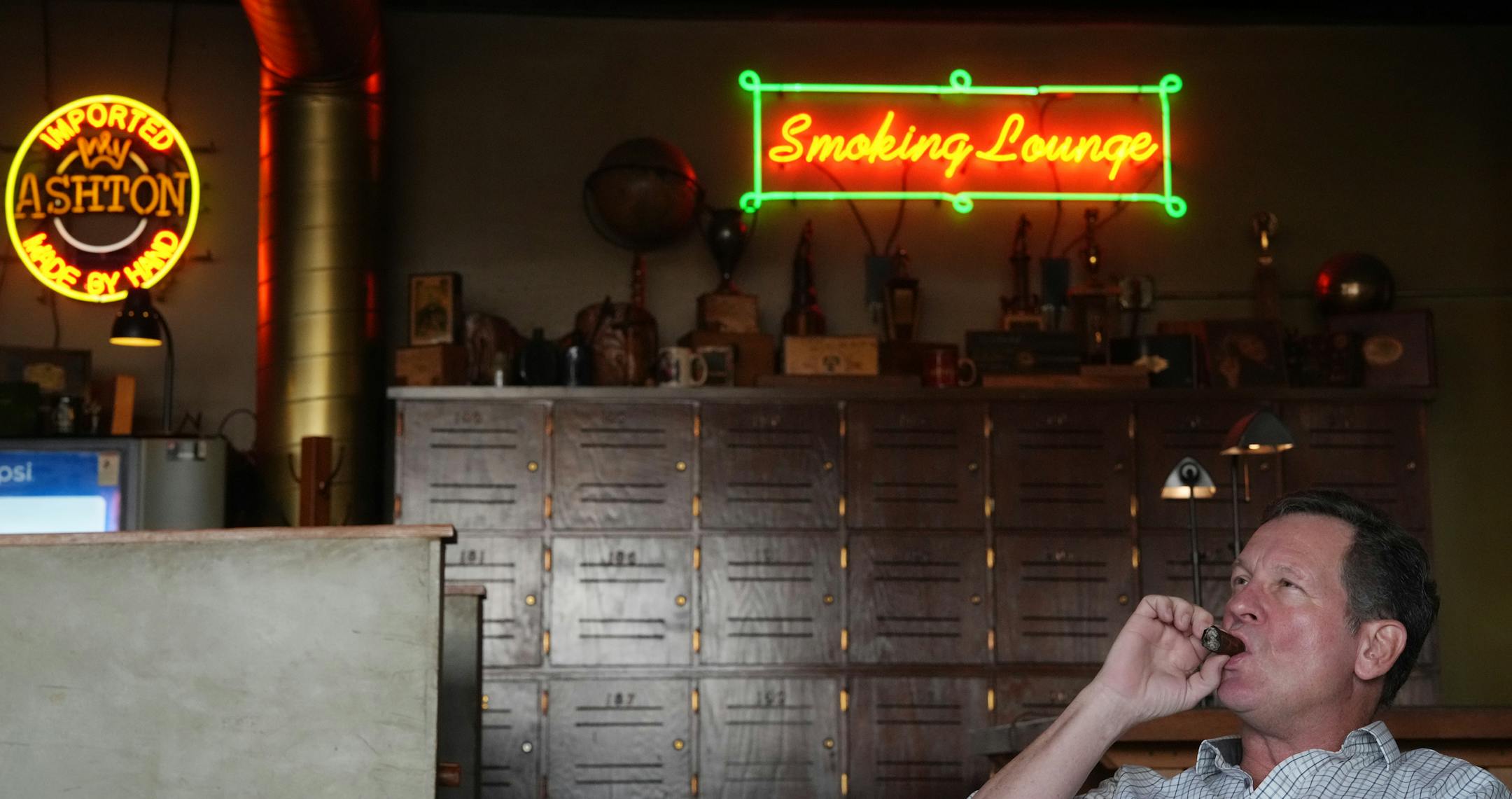
And buying a cigar and then smoking it in a cigar lounge isn’t sampling. Hanging out at a hookah bar for camaraderie’s sake isn’t sampling either. These stores shouldn’t have been allowed in the first place. Closing the sampling loophole will hold all tobacco retailers to the same standard set by the Minnesota Clean Indoor Air Act. I urge the council to support the proposed ordinance.
Greg Bess, Minneapolis
NO PHONES IN SCHOOL
Easier said than done
I read with interest the letter “No phones in school. Duh” (Readers Write, April 23) asserting that this is an easy problem to solve. As a 25-year veteran of suburban high school teaching, I counter by asserting that this is the most difficult problem to solve. If we truly tried to end cellphone use (and my school did a number of years ago), teachers and administrators would spend every second of their days focused on this distraction. Teaching my kids about the Phillips curve? No. I need to stop and take a phone away. Teaching my kids about the Gilded Age? Again, no. Another kid is sneaking a look at their phone under their desk. Managing cellphone use of 2,500 students for eight hours a day is a full-time job. Our society has created a massive, attention-grabbing addiction, and asking schools to focus their efforts on the “easy” solution shows no understanding of the difficult reality that schools face.
Ryan Gau, Minneapolis

