

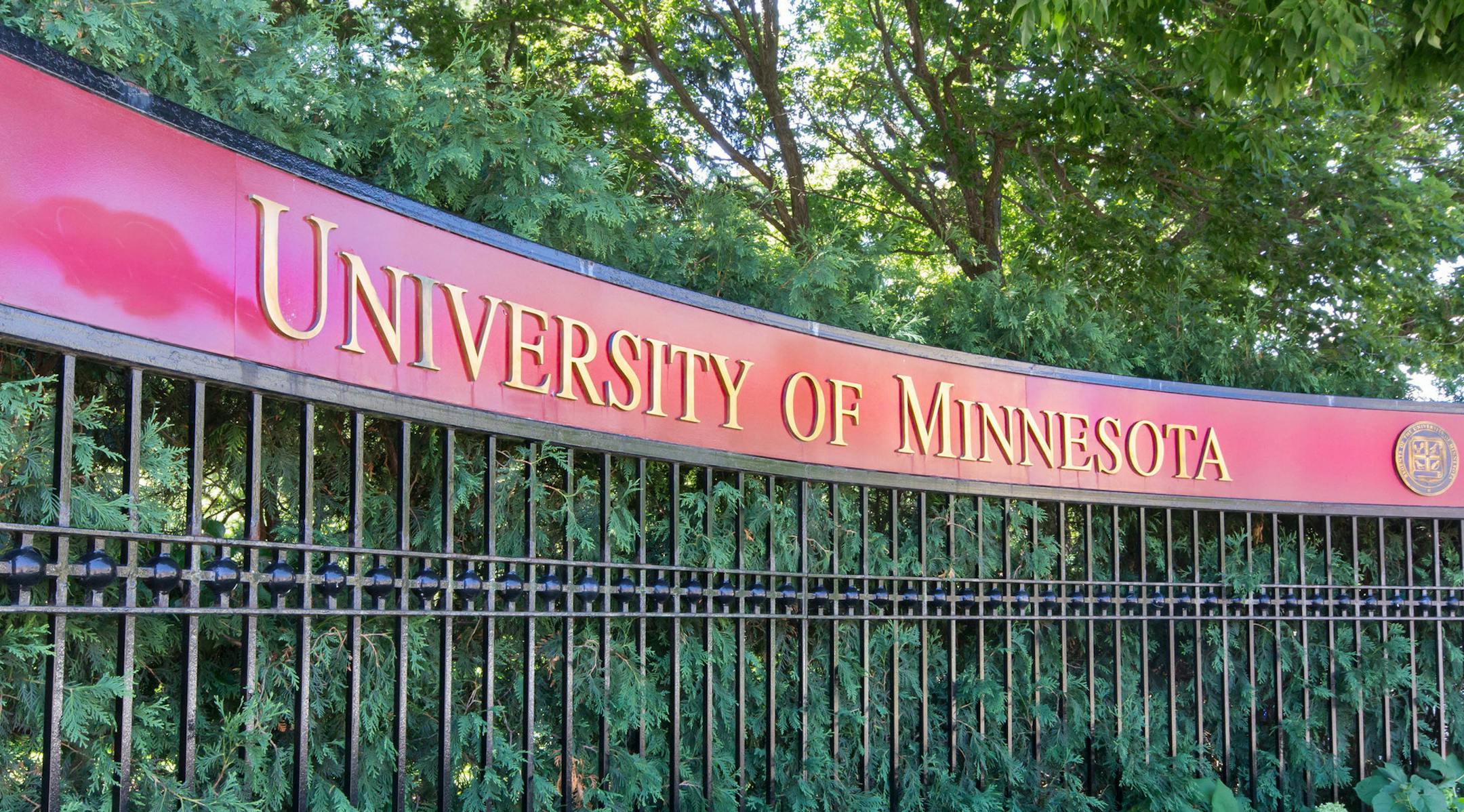
As a proud recent graduate of the University of Minnesota and former member of the Student Sexual Misconduct Subcommittee (SSMS), I believe the U continues to be a national leader in handling cases of sexual misconduct. As an SSMS member, I helped adjudicate multiple cases of sexual assault and harassment, including the widely reported football case from last year. I know firsthand how challenging it is to serve on a panel and the difficulties the university faces in balancing the rights of the accused and assisting the impacted student.
In addition, the proceedings are emotionally taxing for all involved, particularly the affected and accused students. I've watched multiple students break down from either recounting the trauma they experienced or from vehemently denying the accusations. I encourage readers to consider the challenge in deciding these complex cases that involve he-said she-said situations and/or alcohol. The complete truth is known only to the students involved, and it is up to the impartial panel members to make a judgment.
I frequently think about the various cases I helped decide and the students involved. I hope the victims have found peace and that the accused students have learned from their mistakes. The university and the SSMS strive to provide due process to the accused and help for the victims. Is the process perfect? No, but consider the source when individuals, such as private lawyers, cast doubt on the veracity of the process.
Spencer Buchanan, Bloomington
• • •
"The power of Gretchen Carlson" (Jan. 11) reports that former Fox newswoman Carlson is urging underprivileged women to speak out against sexual harassment. History, however, proves the reverse to be true. While I applaud Carlson in her own effort to challenge sexual discrimination, "underprivileged" African-American women were the first to use Title VII of the Civil Rights Act of 1964 to challenge sexual harassment in the workplace. Yet, Diane Williams, Paulette Barnes, Sandra Bundy and Mechelle Vinson are largely unrecognized for their efforts. These early cases filed before the Equal Employment Opportunity Commission in the late 1970s eventually established the case law on sexual harassment. Fighting a legacy rooted in slavery, such women courageously spoke out against workplace discrimination decades ago. It is their legacy that now allows Carlson to "put Miss America in the forefront of female empowerment."
Missy McDonald, St. Paul
The writer is a historian.
AFFORDABLE HOUSING
Federal inadequacies could undercut local efforts to address
While many in these newly formed housing task forces will push for change in local regulations ("Affordable housing becomes top priority," editorial, Jan. 10), they should not ignore federal policy. The amount of federal housing funding coming to Minnesota relative to the capacity of local coffers is sobering. A federal pullback of 10 percent in its affordable-housing commitment would fully offset all current state and local housing resources. Unfortunately, a federal pullback of that magnitude is not out of the picture. For instance, the recent tax-reform legislation is predicted to reduce affordable rental housing production across the country between 10 percent and 20 percent.
Attention must be given to reversing the trend in the federal housing budget, the impact of which has been atrophying in an era where rents are exceeding tenant incomes.


